Health packages
Add Member
Provide email & phone to receive medical reports and notifications.

Book your Appointment!
Icon Select Test
Icon
Not sure what you need?
+91 88005 80075
Let us know your health conditions. Our health advisor guide you.
Back SERVICES

MRI

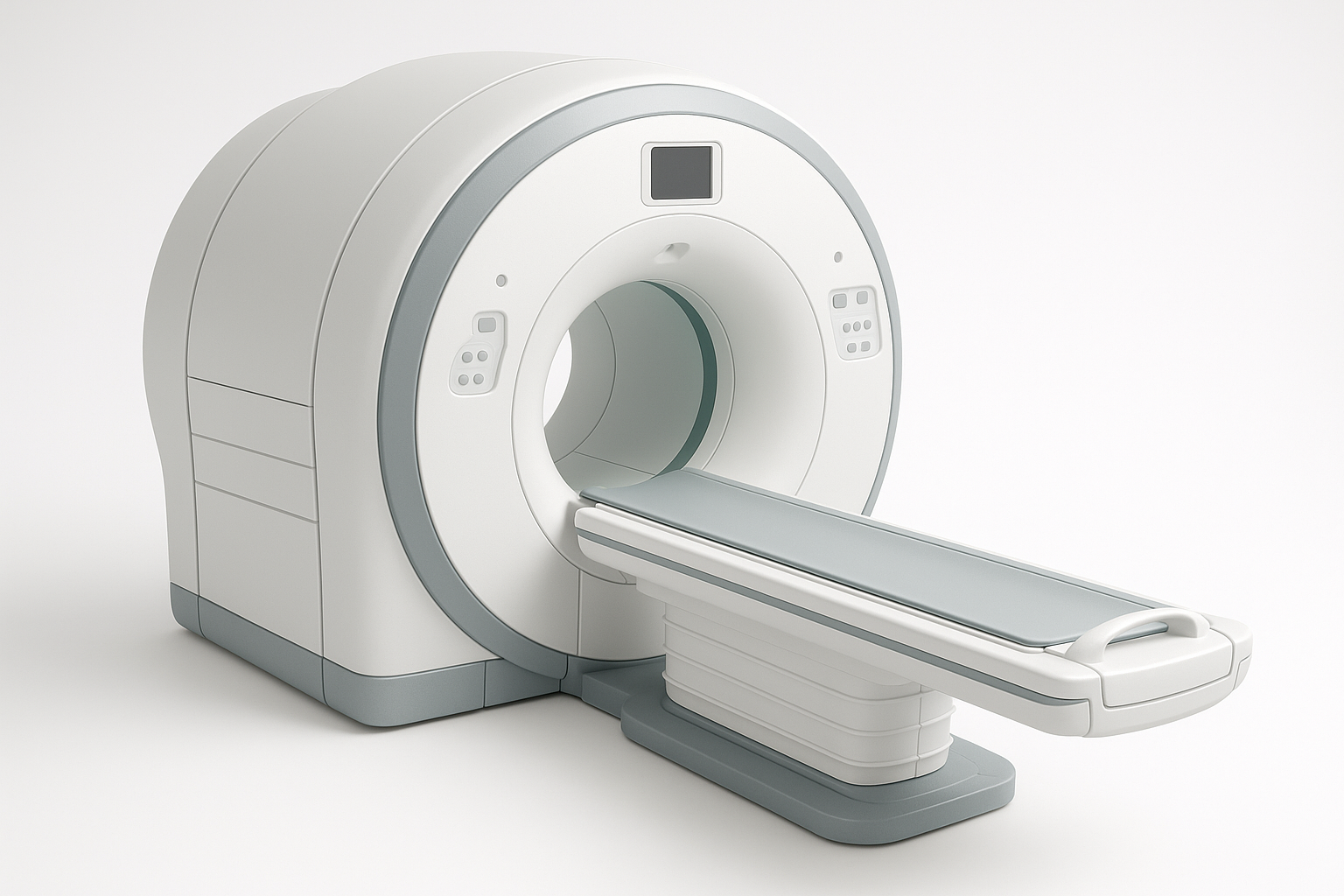
MRI is one of the most advanced imaging tools available today. It provides clear, detailed images that help doctors make accurate diagnoses without exposing patients to harmful radiation. If your doctor recommends an MRI, you can feel reassured that it is a safe and reliable procedure.
High-Resolution Imaging
No Radiation
Advanced 3D Views
Specialist Reporting
MRI

MRI Scan: Everything You Need to Know

In todayโ€™s world of advanced medical technology, diagnostic imaging plays a crucial role in detecting and treating diseases. One such powerful tool is the MRI scan (Magnetic Resonance Imaging). Unlike traditional X-rays or CT scans, MRI uses strong magnetic fields and radio waves to produce detailed images of the inside of the body. It is painless, non-invasive, and widely used to examine the brain, spine, joints, heart, and internal organs.

Whether you are scheduled for an MRI or just curious about how it works, this guide will walk you through everything you need to know.

What is an MRI Scan? +

MRI (Magnetic Resonance Imaging) is a medical imaging technique that creates high-resolution images of the bodyโ€™s internal structures. It does not use ionizing radiation (unlike X-rays or CT scans), making it safer for repeated use.

How MRI Works

  • Magnetism: A large magnet aligns the hydrogen atoms in your body.
  • Radio Waves: Short bursts of radiofrequency waves disturb this alignment.
  • Computer Processing: The returning signals are converted into detailed images by a computer.

This process allows doctors to see soft tissues, organs, and bones with remarkable clarity.

Why is an MRI Done? +

MRI scans are recommended by doctors for various reasons, such as:

  • Detecting brain and spinal cord conditions (tumors, multiple sclerosis, stroke).
  • Identifying joint injuries (ligament tears, cartilage damage).
  • Examining internal organs like the liver, kidneys, heart, and uterus.
  • Diagnosing tumors and cancers at an early stage.

Assessing blood vessels through MR angiography (MRA).

How many types of MRI Scans? +

Different MRI techniques are used based on the medical requirement:

1. Functional MRI (fMRI)

Measures brain activity by detecting changes in blood flow.

2. Cardiac MRI

Evaluates the structure and function of the heart.

3. Magnetic Resonance Angiography (MRA)

Focuses on blood vessels to detect blockages or aneurysms.

4. Breast MRI

Helps in detecting breast cancer, especially in high-risk patients.

5. Whole-Body MRI

Used for screening multiple areas of the body for early detection of cancer or other diseases.

What to Expect During an MRI? +

If youโ€™re preparing for your first MRI, hereโ€™s what you can expect:

  • Preparation:
  • Remove metal objects (jewelry, watches, belts).
  • Inform your doctor if you have implants or pacemakers.
  • Fasting may be required if contrast dye is used.
  • During the Scan:
  • Youโ€™ll lie on a sliding table that moves into the MRI machine.
  • The machine makes loud tapping or thumping sounds (earplugs are usually provided).
  • The scan usually takes 20โ€“60 minutes.
  • After the Scan:
  • Normal activities can usually be resumed immediately.
  • Results are interpreted by a radiologist and shared with your doctor.
What are the Benefits of MRI? +
  • Non-invasive and painless.
  • No radiation exposure.
  • High-quality images of soft tissues and organs.
  • Helps in early detection of diseases.
What are the Risks and Limitations of MRI? +

While MRI is safe for most people, there are certain considerations:

  • People with metal implants, pacemakers, or cochlear implants may not be eligible.
  • Some patients may experience claustrophobia inside the MRI machine.
  • Allergic reactions to contrast dye are rare but possible.
  • MRI scans are generally more expensive than X-rays or CT scans.
Add Member
Provide email & phone to receive medical reports and notifications.