Health packages
Add Member
Provide email & phone to receive medical reports and notifications.

Book your Appointment!
Icon Select Test
Icon
Not sure what you need?
+91 88005 80075
Let us know your health conditions. Our health advisor guide you.
Back SERVICES

DEXA

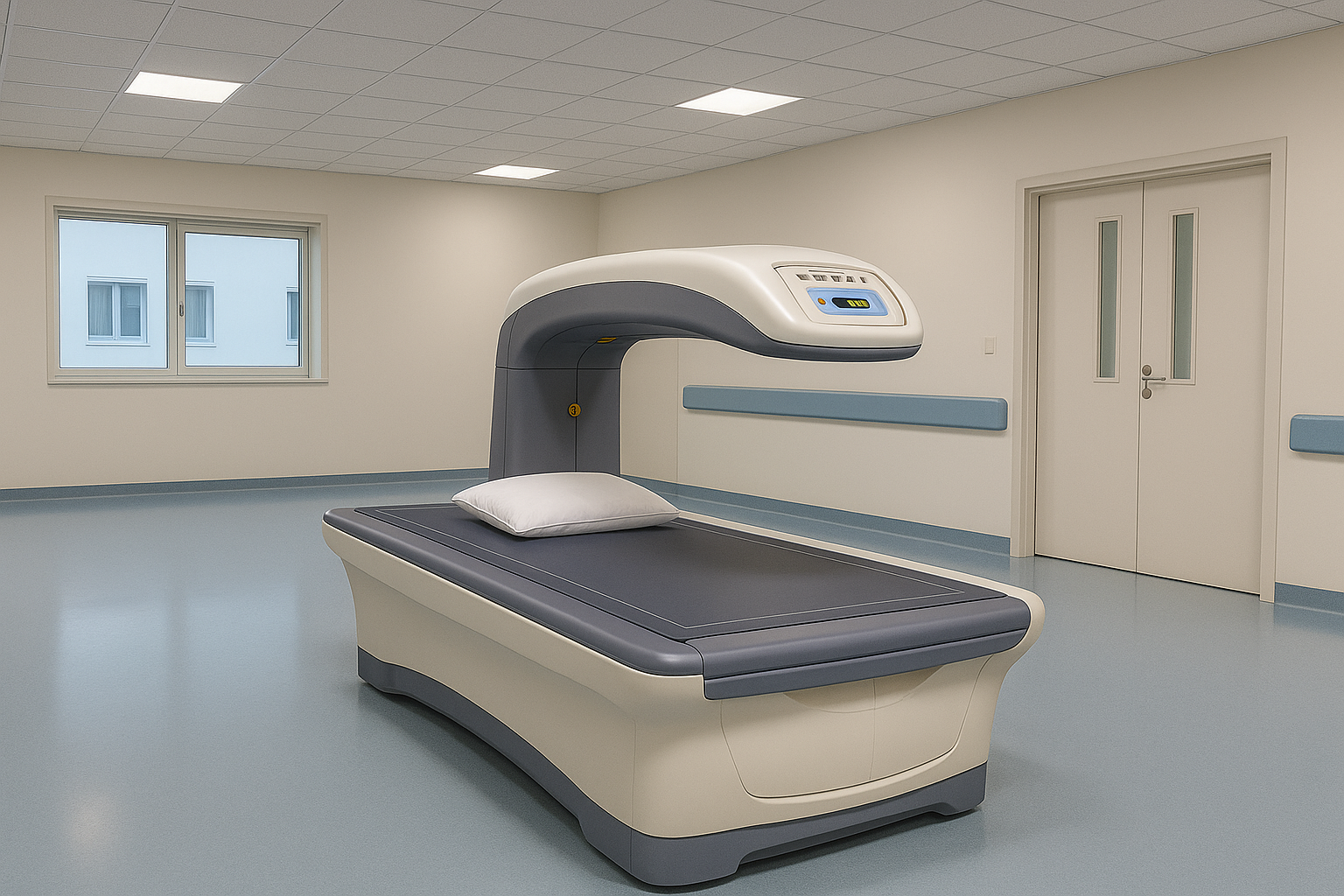
The DEXA scan is the most reliable way to assess bone health and detect osteoporosis early. By identifying bone loss before fractures happen, it gives you and your doctor the chance to take preventive measures.
Bone Density Check
Osteoporosis Detection
Low Radiation
Accurate Reports
DEXA

DEXA Scan: A Complete Guide to Bone Density Testing

Strong bones are the foundation of a healthy life. But as we age, conditions like osteoporosis and osteopenia can silently weaken bones, increasing the risk of fractures. The good news? Early detection is possible with a DEXA scan (Dual-Energy X-ray Absorptiometry scan).

A DEXA scan is the gold standard test for measuring bone density and assessing fracture risk. It’s safe, quick, and widely used to monitor bone health in both men and women. In this article, we’ll explore everything you need to know about a DEXA scan—from how it works to what to expect during the test.

What is a DEXA Scan? +

A DEXA scan (also called a bone density scan) is a specialized X-ray test that measures the amount of calcium and other minerals in your bones.

  • It is most commonly used to check for osteoporosis.
  • It helps determine if your bones are weaker than normal and if you’re at risk for fractures.
  • Results are compared to healthy bone density standards to give a T-score and Z-score.
Why is a DEXA Scan Important? +

Doctors often recommend a DEXA scan for:

  • Postmenopausal women at risk of osteoporosis.
  • Men over 50 with risk factors for bone loss.
  • People with a history of fractures.
  • Patients on long-term steroid therapy.
  • Those with medical conditions such as thyroid disorders, rheumatoid arthritis, or chronic kidney disease.
How Does a DEXA Scan Work? +

The scan uses two low-dose X-ray beams that pass through the bones. By measuring how much of each beam is absorbed, the machine calculates bone density.

The Procedure Step by Step:

  1. You lie flat on a padded table.
  2. A scanning arm passes slowly over your body.
  3. The test usually takes 10–20 minutes.
  4. No injections, no pain—completely non-invasive.
What are the understanding of DEXA Scan Results? +

DEXA scan results are given in two scores:

T-score: Compares your bone density with that of a healthy young adult.

Normal: -1.0 and above

Osteopenia (mild bone loss): Between -1.0 and -2.5

Osteoporosis: -2.5 and below


Z-score: Compares your bone density to others of the same age, sex, and size.

These results help doctors determine your fracture risk and treatment plan.

What are the Benefits of a DEXA Scan? +
  • Quick and painless – takes less than 20 minutes.
  • Low radiation exposure – much less than a chest X-ray.
  • Accurate diagnosis of osteoporosis and bone loss.
  • Monitors treatment progress for patients on medication.
  • Prevents fractures by identifying risks early.
What are the Risks and Limitations of DEXA Scan? +

While a DEXA scan is generally safe, here are a few points to keep in mind:

  • Very small radiation exposure (considered negligible).
  • Not recommended during pregnancy.
  • Does not provide information about bone quality, only density.
Who Should Get a DEXA Scan? +

Doctors may recommend a DEXA scan if you:

  • Are a woman aged 65 or older.
  • Are a man aged 70 or older.
  • Have had fractures from minor injuries.
  • Have a family history of osteoporosis.
  • Smoke, consume alcohol excessively, or have poor nutrition.
Add Member
Provide email & phone to receive medical reports and notifications.