Health packages
Add Member
Provide email & phone to receive medical reports and notifications.

Book your Appointment!
Icon Select Test
Icon
Not sure what you need?
+91 88005 80075
Let us know your health conditions. Our health advisor guide you.
Back SERVICES

Doppler

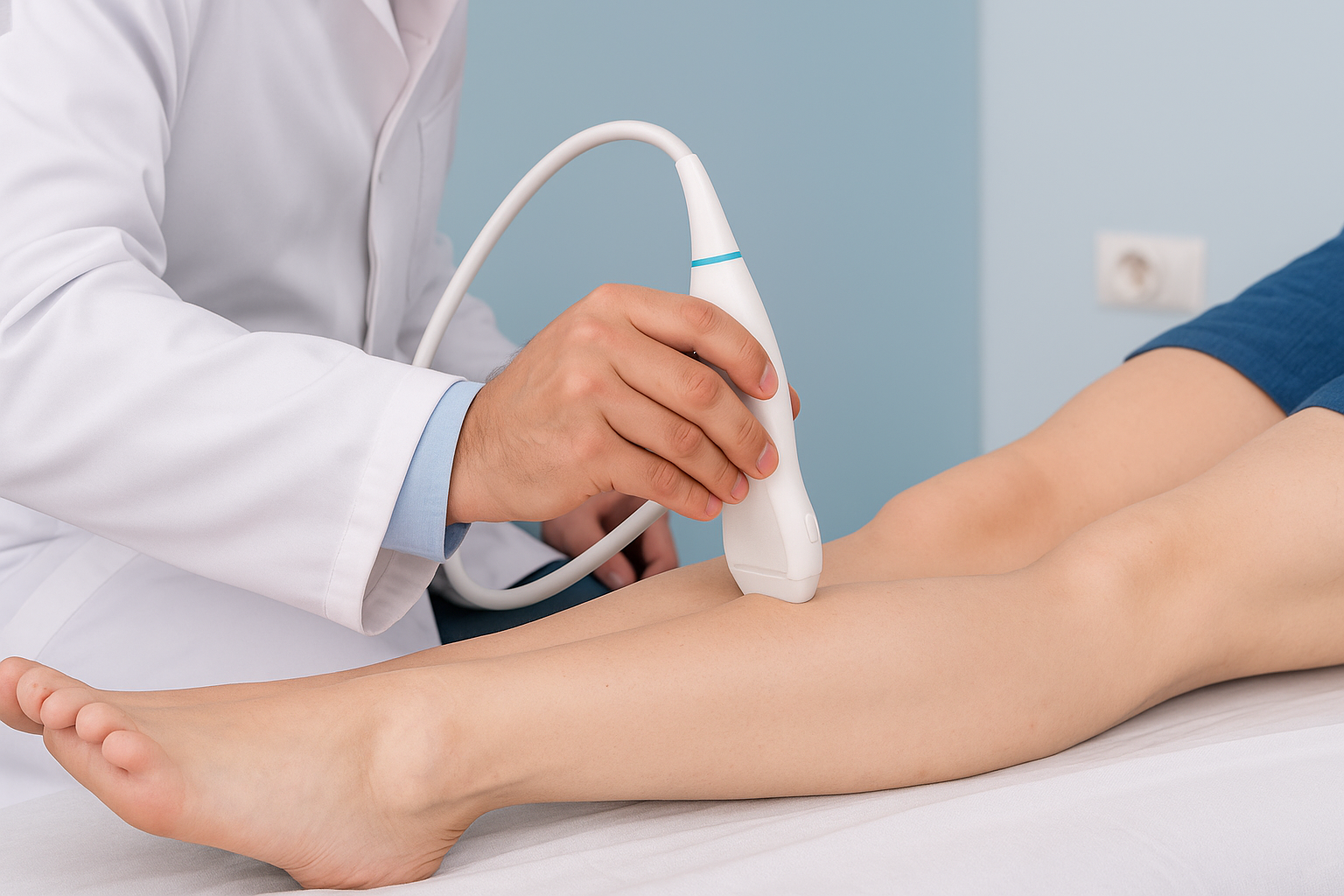
A Doppler Ultrasound is one of the most effective ways to evaluate blood flow in the body. From checking for clots and blockages to monitoring pregnancy health, this test provides critical insights without discomfort or risk.
Blood Flow Analysis
Non-Invasive Test
Early Disease Detection
Specialist Reporting
Doppler

Doppler Ultrasound: A Complete Guide to Blood Flow Imaging

When it comes to checking how well blood flows through your vessels, a regular ultrasound isn’t always enough. That’s where a Doppler Ultrasound steps in. This test uses sound waves to evaluate blood circulation in arteries and veins, helping doctors detect blockages, clots, or narrowed vessels.

Non-invasive, safe, and widely available, Doppler scans are an essential tool in diagnosing vascular conditions early and preventing complications.

What is a Doppler Ultrasound? +

A Doppler Ultrasound, also known as a Doppler scan, is a special imaging test that measures the speed and direction of blood flow.

  • Uses high-frequency sound waves.
  • Detects changes in sound frequency as blood moves.
  • Provides real-time images of circulation in different parts of the body.

👉 Think of it as an ultrasound with a focus on blood flow, not just organ structure.

Why is a Doppler Scan Important? +

Doctors recommend a Doppler test when they suspect problems with blood flow, such as:

  • Blood clots (deep vein thrombosis – DVT).
  • Narrowed or blocked arteries.
  • Varicose veins.
  • Reduced blood supply to organs.
  • Monitoring pregnancy complications (placental blood flow).

📊 Studies show that Doppler ultrasound can detect vascular problems with an accuracy rate of over 90% in many conditions, making it a reliable diagnostic tool.

What are the Types of Doppler Ultrasound? +

1. Color Doppler

  • Uses different colors to show blood flow direction and speed.
  • Helps visualize circulation clearly.

2. Power Doppler

  • More sensitive than color Doppler.
  • Detects even very small blood vessels.

3. Spectral Doppler

  • Displays blood flow as a graph.
  • Useful for measuring velocity and diagnosing blockages.

4. Continuous Wave Doppler

  • Measures high-speed blood flow.
  • Common in cardiology and vascular studies.
How is a Doppler Test Performed? +

Step-by-step process:

  1. You’ll lie on an exam table.
  2. A gel is applied to the skin to help sound waves travel.
  3. The technician moves a handheld device (transducer) over the area.
  4. The Doppler machine records images and flow data in real time.

⏱️ Duration: Usually 30–60 minutes.

💡 Good news: The procedure is painless, safe, and radiation-free.

What are the Applications of Doppler Ultrasound? +

In Cardiology

  • Assessing blocked arteries.
  • Monitoring blood flow after bypass or stent placement.

In Vascular Health

  • Detecting deep vein thrombosis (DVT).
  • Evaluating varicose veins.

In Pregnancy

  • Checking blood flow in the umbilical cord and placenta.
  • Ensuring healthy growth of the baby.
What are the Benefits of Doppler Scan? +
  • Non-invasive and safe (no radiation).
  • Detects circulation problems early.
  • Helps prevent complications like stroke or heart attack.
  • Widely available and cost-effective.
What are the Risks and Limitations? +
  • Virtually no risks—safe for adults, children, and pregnant women.
  • May be less accurate in obese patients or those with severe vascular disease.
  • Sometimes requires complementary tests like angiography for confirmation.
Add Member
Provide email & phone to receive medical reports and notifications.