Certified Diagnostic Care
Book trusted and affordable diagnostic tests with our NABL certified labs.

A CT scan is one of the most valuable diagnostic tools in modern medicine. It provides quick, clear, and accurate images that help doctors diagnose conditions and plan treatments effectively. if your doctor recommends a CT scan, don’t panic. It is safe, fast, and can provide life-saving insights into your health condition.
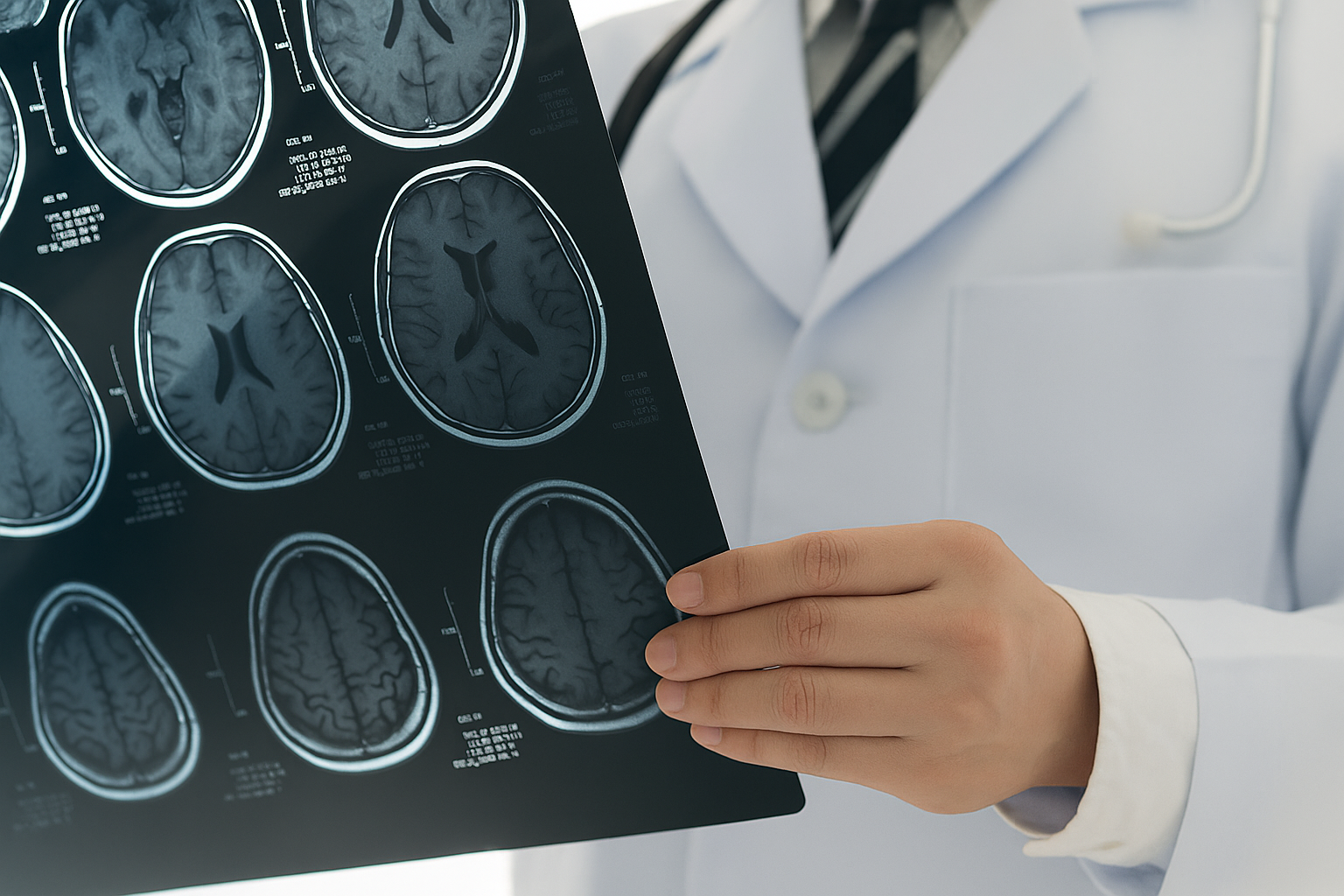
When it comes to quick and accurate medical diagnosis, the CT scan (Computed Tomography scan) is one of the most trusted imaging techniques. Unlike traditional X-rays, a CT scan combines multiple X-ray images taken from different angles and processes them with a computer to create detailed cross-sectional images of bones, organs, blood vessels, and soft tissues.
Doctors often recommend CT scans because they are fast, painless, and highly effective in detecting internal injuries, tumors, and other medical conditions. In this article, we’ll break down everything you need to know about CT scans in a simple, easy-to-read way.
A CT scan (Computed Tomography scan) is a diagnostic imaging test that uses X-rays and advanced computer processing to create detailed 3D images of the inside of the body.
Unlike regular X-rays that show flat images, CT scans provide a more comprehensive view, making it easier for doctors to detect health issues.
CT scans are used for a wide variety of medical purposes. Doctors may recommend it to:
Different CT scans are used depending on the body part being examined:
1. Head CT Scan
Used to detect bleeding, tumors, strokes, or skull fractures.
2. Chest CT Scan
Helps diagnose lung diseases, infections, or cancers.
3. Abdominal and Pelvic CT Scan
Used to examine organs like the liver, kidneys, pancreas, and intestines.
4. Bone CT Scan
Gives detailed images of complex bone fractures and joint injuries.
5. CT Angiography
Focuses on blood vessels to detect blockages, clots, or aneurysms.
If you’re preparing for your first CT scan, here’s a step-by-step idea:
While CT scans are generally safe, there are some considerations: