Health packages
Add Member
Provide email & phone to receive medical reports and notifications.

Book your tests at top NABH & NABL Certified Centers near you!

Trusted labs. Accurate results. Easy booking with expert assistance.
Select Category
Icon Select Test
Icon
Not sure what you need?
Our experts will guide you to the right tests
Upload doctor prescription (if available)
Accepted: JPG, JPG, PNG • Max size: 1MB • Max files: 1
OR
Family
Test Categories
Explore our wide range of medical tests and choose the right diagnostic scan tailored to your health needs.
Why Choose Dygo Diagnostics?
We're dedicated to providing you with the highest quality of healthcare services.
Family
Accredited Diagnostics & Hospitals
NABH & NABL certified centers ensuring quality care
Pan India Coverage
NABH & NABL certified centers ensuring quality care
Seamless Booking
Easy online booking with instant confirmation
Expert Customer Assistance
Support from healthcare professionals
Our Reach and Impact
Trusted across cities with strong network and satisfied patients
500+
Diagnostic Centers
Every successful center is more than just a facility. It's a step toward better health.
3000+
Happy Customers
Every happy customer is a testament to our quality care and service.
25+
States
Delivering quality diagnostic services across multiple states.
100+
Cities
Expanding our reach to ensure accessibility in major cities.
Get Expert Guidance

How to Get Call Back

Get personalized guidance from our healthcare experts in just 3 simple steps. Our team is ready to help you find the best diagnostic solutions.

01

Leave Your Details

Share your contact information and health requirements with us

02

Get Expert Guidance

Our healthcare experts will call you to understand your specific needs

03

Personalized Solution

Get customized test recommendations and booking assistance

Simple Booking Process

How to Book Your Diagnostic Test

Follow these simple steps to book your diagnostic test with ease

01

Select Test & Location

Browse and select the diagnostic test you need, and choose your preferred city or nearby location.

02

Book Your Appointment

Choose your suitable date and time slot for sample collection or lab visit with ease.

03

Get Your Reports

Receive accurate digital reports quickly, accessible anytime from your dashboard.

01
Select Test & Location

Browse and select the diagnostic test you need, and choose your preferred city or nearby location.

02
Book Your Appointment

Choose your suitable date and time slot for sample collection or lab visit with ease.

03
Get Your Reports

Receive accurate digital reports quickly, accessible anytime from your dashboard.

Ready to book your diagnostic test today?

Health Insights

Latest Blogs

Stay updated with our latest health insights, diagnostic tips, and wellness articles curated just for you.

Healthcare
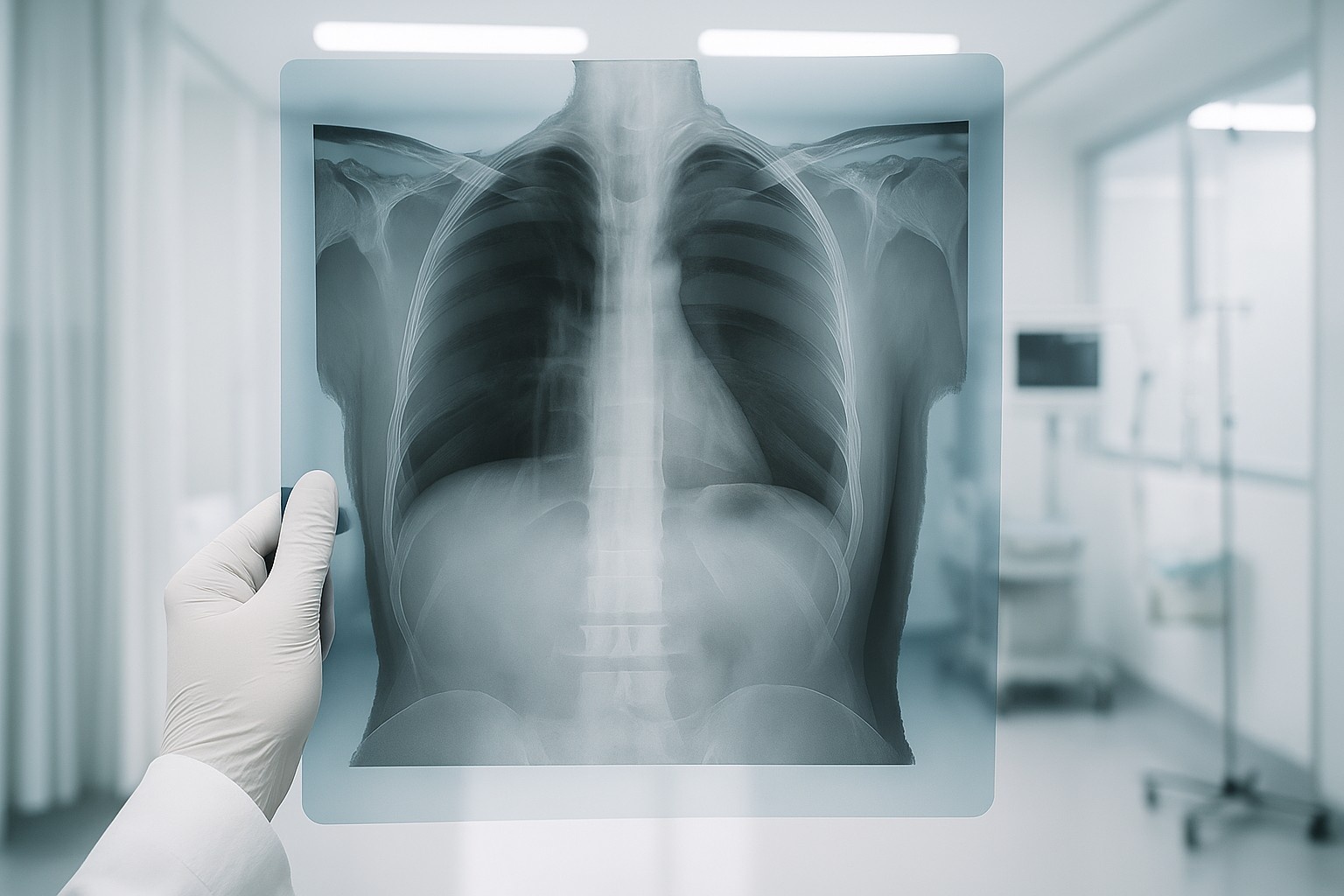
Top Reasons Doctors Recommend an X-Ray Test

One of the most versatile and common test used in modern medicine is an X-ray test and now due to the advancements in the technology this technique is helping the doctors to analyze the patients without doing the surgery. Small amount of the radiations is used in X-rays to get the images of the body organs, bone and other internal structures. Thus the abnormalities can be easily determined with accuracy and more quickly with the help of this technique by the medical healthcare professionals. Besides being harmless X-rays are affordable, highly effective, fast and painless technique.  X-rays plays an important role in medical diagnosis and treatment planning such as in the identification of the fractures, in detecting lung infections etc.Following are the main reasons doctors recommend the X-ray tests:Fractures and Dislocations identification: One of the most common use of X-rays is the identification and dislocation of the fractures. Since the bones are denser than surrounding tissues, they absorb more radiation and stand out clearly on the image, and helps the doctors to determine the exact location of the break and severity of the fracture as well.Detecting Chest and Lung Conditions: For the patients experiencing the shortness of the breath, chest pain or chronic cough the chest X-ray is usually recommended by the doctors and this type of X-ray is vital for diagnosing the medical conditions like tuberculosis, heart failure, lung cancer and pneumonia etc.Joint issues monitoring and Diagnosis: In order to get an idea about the stiffness in the joints and pain in the knees, hips and hands etc.  the Joint X-rays are used to check the narrowing of joint spaces caused by arthritis or the gradual bone loss associated with osteoporosis. Swallowed Foreign objects locating in the body: An X-ray can even detect the swallowed metallic object if any by the patient it will help to quickly and accurately locate the item within the digestive or the respiratory tract of the patient so that the doctors can get an idea of the exact location and the treatment process can be started.Guiding of the surgical procedures: To ensure that broken bones are perfectly aligned or any medical implantation is rightly done in the areas such as artificial joints or the metallic plates in the correct position the X-rays aid drastically to the doctors in the same.Bone healing monitoring: With the help of the X-ray follow ups after the injuries or the surgeries the progress of the bone healing can be determined easily and this helps to ensure that the fusing of the bones at the right position is rightly done. Dental problems detection: Small scale X-rays are used by the dentists in order to determine the hidden tooth decay, cavities and to examine the roots of the teeth during the root canal process and it also helps to determine the health of the jawbone.Tumours and infections determination: Abnormal bone growths and masses within the body can be determined easily through the X-rays and any such infection and unwanted tumors in the body can be determined easily. Evaluating Heart Conditions: Heart conditions such as enlarged heart, fluid build-up, heart failure si8gns and abnormalities in the blood vessels can also be easily determined by the X-rays.Spine and Posture problems determination: Problems such as slipped discs, curvature of the spine, spinal fractures, spine diseases etc. can be easily determined though the X-rays and are widely used by the doctors.Determination of the Kidney stones and urinary problems: Problems such as kidney stones, bladder stones, blockages in the urinary tract can be determined easily through the X-rays.Chronic lung diseases like COPD are monitored easily by the X-rays.Safety of X-Ray TestsModern X-ray machines uses very low dose of the radiations, and thus the process of the X-rays is generally safe as compared to other techniques such as CT scan or an MRI scan. Only during the medical necessities, the X-rays are recommended by the doctors and protective measures such as lead aprons are often used to minimize exposure. Thus it is highly recommended by that any pre medical issue or history should be essentially told to the doctors before taking any X-rays especially during the pregnancy.ConclusionX-rays are widely recommended in the modern healthcare because of their wide applications right from diagnosing fractures and infections to detecting cancer and monitoring treatment progress, this technique provides the valuable information and insights to the medical healthcare professionals so that the effective treatment can be started immediately. X-ray procedure is quick, non-invasive and is highly effective tool used worldwide. They help in the better patient care and improved health outcomes and because of all these reasons X-rays are continuously recommended by the doctors for understanding and protecting human health.

Healthcare
Are X-Rays Safe? Benefits, Risks & Safety Tips Explaine...

One of the most common imaging technique used in the world is X-rays. They are widely used in the diagnosis of the diseases, injuries and helps in guiding the treatments accurately and quickly. X-rays play an essential role in modern healthcare right from checking broken bones to detecting infections in the lungs. Although the X-rays involve the exposure to radiations still it is safer and painless technique. Patients will feel more informed and confident when undergoing an X-ray examination if they are aware about the benefits, risks, and safety measures of the X-rays. X-rays are used to create the images of the internal structures of the body parts using the electromagnetic radiations. Lungs appear black on the X-ray images since they are spaces filled with air. To identify fractures, infections, tumours, dental problems, and other medical conditions these different absorption of the specific parts in the X-rays allows the doctors to use these contrasts in the early and easy diagnosis process.  It is non-invasive, fast and painless technique. It is one of the most efficient diagnostic tools available presently since the entire process takes only few minutes.Properties of X-Rays They have the same speed as that of the light.They cannot be deflected by electric or magnetic fields.Ability to ionize atoms and molecules.Can remove electrons from atoms.Potentially harmful if exposure is excessive.Benefits of X-RaysQuick and Accurate Diagnosis is possible with this technique.It is non-invasive and painless procedure.Helps in the detection of various conditions such as fractures, dental cavities, lung infections and breast cancer etc.Helps the doctors to access injuries after accidents.Helps in guiding the medical procedures.Helps to get the insides of the body’s internal structures.X-Rays are used to locate the swallowed objects etc.Are X-Rays Safe?When X-rays are used appropriately they are considered one of the safest and non-invasive technique. Thus ALARA principle (As Low As Reasonably Achievable) is used by the modern scanners to minimise radiation dose, particularly in children. The amount of radiation used in most routine X-rays is very small and unlikely to cause harm. Thus this imaging technique is comparatively safer and painless in comparison to other techniques such as CT scan or MRI.Risks of X-Rays Radiation Exposure: The amount of exposure is the biggest risk of the X-rays and if the unnecessary repeated scans are avoided the exposure risk can be minimized.Pregnancy Concerns: High radiation exposure during pregnancy may affect the developing baby, especially during early stages. Thus informing the doctors priory is recommended.Contrast Dye Reactions: Allergic reactions may be felt when the contrast dyes are used during the procedure and symptoms such as rashes, nausea and itching may be felt.Cumulative Effect: Higher radiation exposure over time get accumulated if the people undergo frequent imaging tests and thus maintaining the scans record is what is essentially recommended.Safety Tips for X-Rays Strict guidelines are followed by the medical professionals to ensure patient safety during X-ray procedures. Some of the safety tips for the procedure are:Using the Lowest Effective Dose.Protective Shields should be used during the scan.Limiting Exposure Time for the patient.Modern Digital Technology should be used for the imaging procedure.Careful Justification of the reports and other processes.Always inform your doctors if you are pregnant or have any other medical issues.It is highly recommended to keep the records of the previous X-rays for tracing the history of the patient in order to minimize the risk.ConclusionX-rays have transformed the medical healthcare by enabling the fast and accurate diagnosis and are most valuable and safer medical technique. They are widely used by the doctors to detect the infections, injuries and many other health conditions while guiding effective treatments. Modern technology and strict safety measures keep the risks very low since the very small amount of the radiations are used. Understanding the benefits and potential risks of X-rays allows patients to make informed healthcare decisions. Thus the safety measures should be used in order to avoid the risks and other potential myths of the X-rays and accurately medical information far outweigh the minimal risks associated with X-ray exposure.

Healthcare
What is an X-Ray? Uses, Benefits, Procedure & Side Effe...

The electromagnetic radiation with very short wavelengths and high energy is known as X-rays. Wilhelm Conrad Roentgen was the German physics professor who first discovered the X-rays. In order to create the pictures of bones, teeth, chest, joints and some organs a small amount of ionisation radiations are used in the imaging technique. X-rays form the electromagnetic radiations since the different body tissues absorb electromagnetic radiations differently. Since the bones absorb more radiations they appear white on the X- ray images and the shades of grey appear on the X-ray image for the softer tissues. As per the density of the objects the X-rays penetrate deep inside the body and the extent of the depth is more or less as per the density. In order to obtain an X-ray image of a part of the body being X-rayed is placed between the source of the X-ray and an X-ray detector through the positioning of the patient. Depending on the type of the tissues through which the X-rays are passed the images appear on the monitor in the form of the shades of the black and white. For example: Our bones appear white on X-rays because they make the bones denser. When the X-ray for the broken bone known as fracture is examined the dark areas in the fractured bone within the lighter bone on the X-ray film will appear.Types of X-rays The types of X-rays used for the diagnosis of different diseases are as follows:Mammography:  It is  used to detect breast cancer.Computed tomography (CT) scans: It is used for the body cross-sections detailed imaging.Fluoroscopy: It is used to study the dynamic movements inside the body such as heart beat movement. Other uses: It is also used in the cancer treatment in order to determine the condition of the body.Procedure of an X-rayBetween the X-ray machine and the detector, the patient is positioned and the X-ray for the part under examination is being scanned. The body p-art under examination must remain still during the scan because movement can blur the image.Images from different angels are taken by the radiographer.During some X-rays to get a clear image, the patient may also be asked to hold their breath for a few seconds during the scan.The actual exposure time is very less as compared to the time spend in positioning the patient and checking the quality of the images obtained.The images are analysed by the radiologist and the reports are prepared and sent to the patient.The treatment starts after examination by the doctor.Uses of X-Rays The most common form of X-ray used is X-ray radiography for the diagnosis are: Bone fracturesFor Infections  Calcifications For detection of tumoursArthritis in jointsOsteoporosisDental issuesHeart problems Blood vessel blockagesDigestive problemsBenefits of X-raysIt helps the doctors to get the quick view of what is happening inside the body.It is painless, fast technique.It is widely available technique.Helps to make quick decisions such as in case of suspected fractures etc.It also reduces the need for exploratory surgery in many cases.It helps healthcare providers view bones, organs, blood vessels and tissuesIt is very quick technique and takes less time.X-rays are also less expensive than many advanced imaging tests such as CT scan.Side effects of an X-raySlight discomfort can be there if the patient holds an injured body part in a particular position. If ALARA principle is not followed it can become dangerous.Side effects such as nausea, itching, rash or allergic reactions are common if contrast dye is used.Stomach cramps and constipation.VomitingSkin rash or hivesWheezingHigh or low blood pressureShortness of breath or difficulty in breathingConclusionThus we can conclude that x-rays are used widely in the modern medicine as the common diagnostic tool. They are used to detect the fractures, chest problems, dental issues, joint conditions and many other internal problems quickly and safely. X-rays are safe, painless and quick technique and thus are used exclusively in the medical field. Although X-rays involve a small amount of radiation, doctors recommend them only when the expected benefit is greater than the risk. Patients should follow preparation instructions and always inform the medical team about pregnancy, allergies or previous reactions to contrast dye.

Healthcare
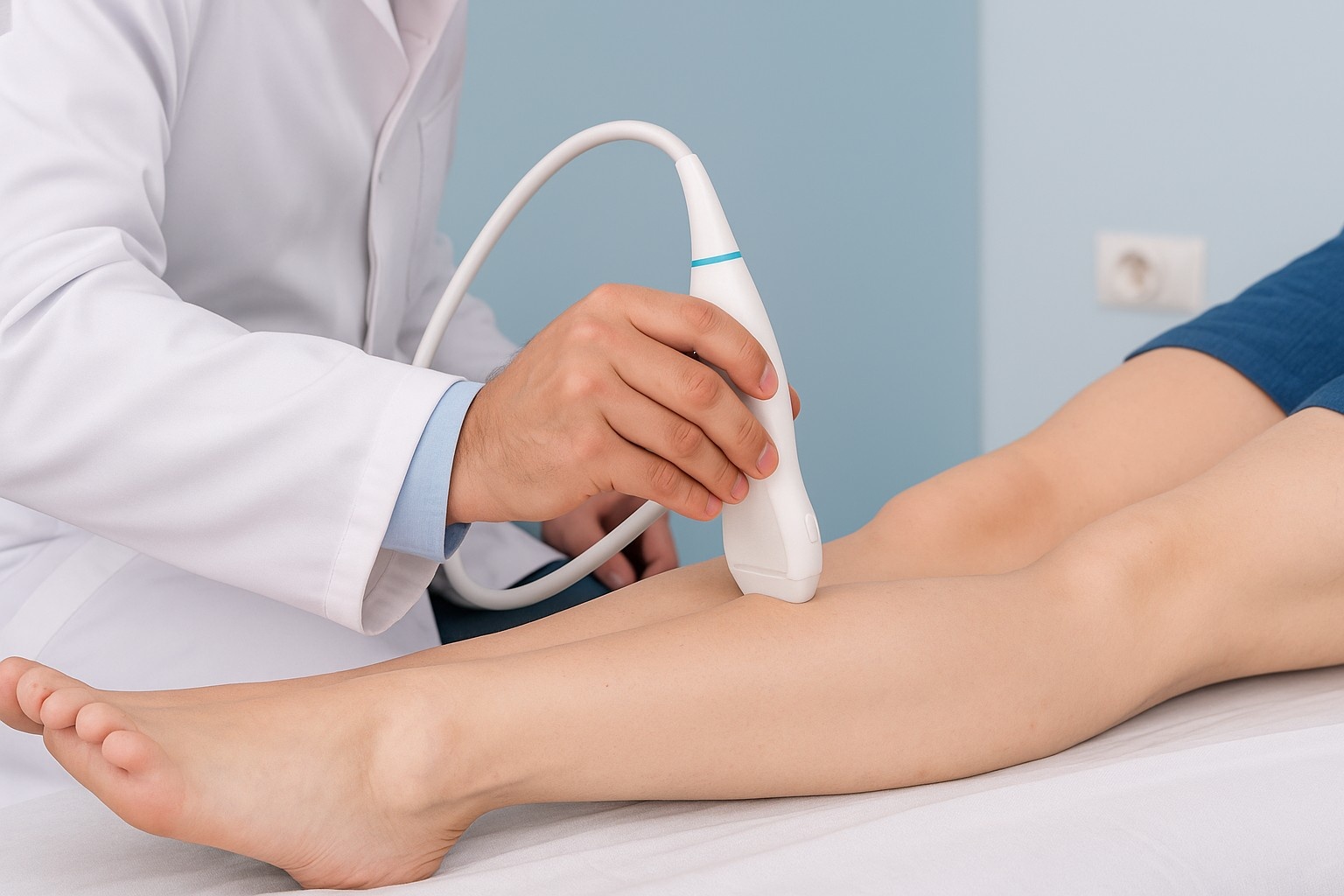
Ultrasound Scan Guide for Patients: Preparation, Proced...

An ultrasound is the imaging technique which uses high-frequency sound waves to create pictures of the organs and the structures present inside the body. It is the painless and safe technique for all age groups since no radiations are used in this technique. It is commonly used to examine heart, kidneys, liver, abdomen, pregnancy and other body parts. During the ultrasound scan a device called transducer is placed on the skin and it sends the high frequency sound waves into the body so that the image formation through these echoes on the monitor can take place. Since each tissue reflects sound waves differently the shape, size, and condition of internal organs can be easily observed by the doctorsTypes of Ultrasound ScansAbdominal UltrasoundPelvic UltrasoundPregnancy UltrasoundDoppler UltrasoundEchocardiographyThyroid UltrasoundPreparation for an Ultrasound ScanThe preparation depends on the type of ultrasound being performed and the part of the body under examination:Patients may be asked to avoid eating or drinking for 6–8 hours before the abdominal ultrasound. For pelvic or pregnancy ultrasounds, drinking plenty of water and keeping the bladder full may be required for the smooth ultrasound.Comfortable and loose-fitting clothes are usually recommended during the scan.For accurate results always follow the doctor’s instructions carefully.Procedure of the UltrasoundThe patient is asked to lie on the examination table for the scan.A gel is applied on the part which is to be examined.A device called a transducer is allowed to move over the gel which was applied on the part to be scanned.The transducer sends sound waves into the body and receives echoes that form images on a monitor. The procedure usually takes 15–30 minutes and is the painless technique.Benefits of Ultrasound ScanThe benefits or the advantages of the ultrasound are: Radiation-Free imaging techniquePainless and Non-Invasive diagnosis techniqueSafe during PregnancyQuick and Convenient diagnostic toolCost-EffectiveHelps in Early DiagnosisPortable TechnologyMonitors baby growth Detects abnormalities Checks amniotic fluid levelsLiver diseases and Kidney stones detectionGallstones and Pancreatic disorders Detecting Tumours and CystsIdentify abnormal growths in organsCongenital heart diseases Results of the UltrasoundUltrasound scans are widely used because they are quick, safe, and accurate for diagnosing many health conditions and the reports are usually available within a few hours or a day, depending on the medical centre. Immediately after obtaining the ultrasound results the treatment can be started instantly without any delay in order to avoid any harmful medical conditions.ConclusionOne of the most important and widely used diagnostic tools in modern medicine is the Ultrasound scanning and since it does not uses radiations it is very safe and painless technique and is completely safe during pregnancy as well use to monitor the amniotic fluid levels , growth of the baby and other developments during the pregnancy. With advancements in technology, ultrasound machines now provide clearer images and faster results, helping doctors diagnose diseases accurately and begin treatment at the right time. These scans are widely used in clinics, diagnostic centres and in the hospitals and in some cases the ultrasound is taken by inserting certain devices inside the body.

Have Questions?

Frequently Asked Questions

Everything you need to know about our diagnostic services

What is Dygo Diagnostics?
Dygo Diagnostics is a tech-driven healthcare platform providing reliable, affordable, and accessible diagnostic services across India.
Where is Dygo Diagnostics available?
We currently serve patients across major cities and are expanding to Tier 2 and Tier 3 regions.
How can I book a test?
You can book any test directly through our website. Just search your test, choose a time slot, and pay online.
What types of tests are offered?
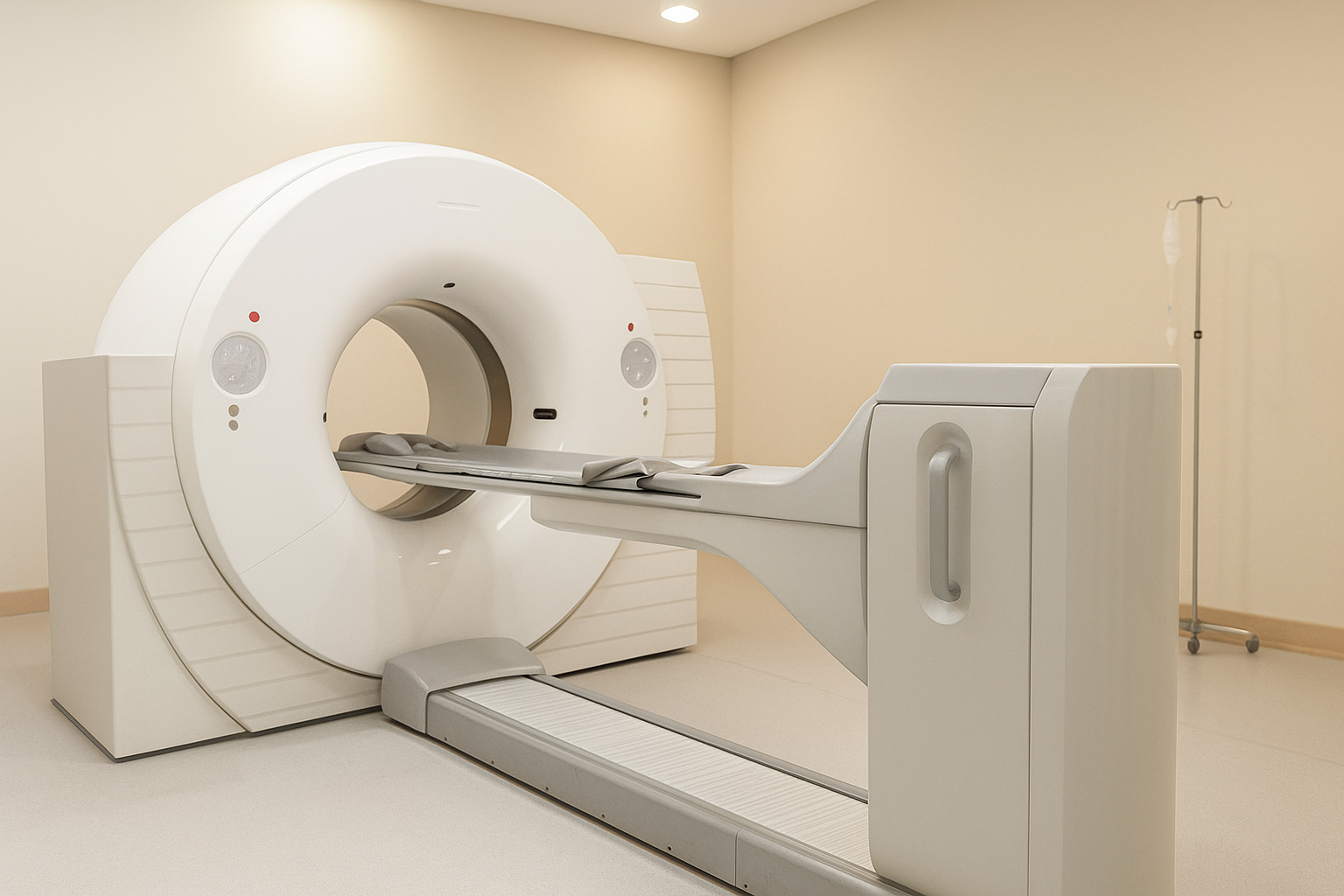
We offer radiology (CT, MRI, X-ray, Ultrasound) and pathology (blood, urine, biopsy) tests along with full body packages.
Do you provide at-home sample collection?
Yes, we offer home collection for pathology tests in most locations.
Can I cancel or reschedule my appointment?
Yes. You can reschedule/cancel at least 12 hours before by logging in or calling support.
How will I receive my test report?
Reports are shared via email and can be downloaded from your account.
How long does it take to get my results?
Pathology reports: within 24 hrs. Radiology (MRI/CT): 6–12 hrs.
Are the reports verified?
Yes, all reports are verified by certified specialists and reviewed by our quality team.

Still have questions?

If you can't find your answer in our FAQ, our team is here to help you 7 days a week. Choose your preferred way to reach us:

8 AM – 8 PM
Secure & Private
Friendly Team
Call Helpline WhatsApp Us Email Support

We respond within 5 minutes during working hours.

Still have questions?

If you can't find your answer in our FAQ, our team is here to help you 7 days a week. Choose your preferred way to reach us:

8 AM – 8 PM
Secure & Private
Friendly Team

We respond within 5 minutes during working hours.

Add Member
Provide email & phone to receive medical reports and notifications.