The ultrasound which is safe, painless and non-invasive in nature is known as Abdominal ultrasound and it uses high-frequency sound waves to create detailed images of the organs inside your abdomen. In order to determine the changes in the liver, gallbladder, pancreas, kidneys, spleen and abdominal blood vessels and other structures the abdominal ultrasound is used. In order to produce the clear images and accurate results of the diagnosis process proper preparation before the scan is needed.
Preparation for the Abdominal Ultrasound
The preparation for the abdominal ultrasound depends on lot of factors, fasting, diet, water intake are the common points to consider while preparing for the scan since certain beverages can interfere with the sound waves used during the scan, making it difficult for the sonographer to obtain clear images.
After Following the instructions given below it serves the following purpose:
- The clarity of the image improves.
- Repeated scans need reduces.
- Abdominal organs accurate evaluation becomes easy.
- Makes the scan and examination process more accurate and faster.
The preparation for the Scan may vary depending on the organs being examined.
Fasting guidelines during the Abdominal Ultrasound
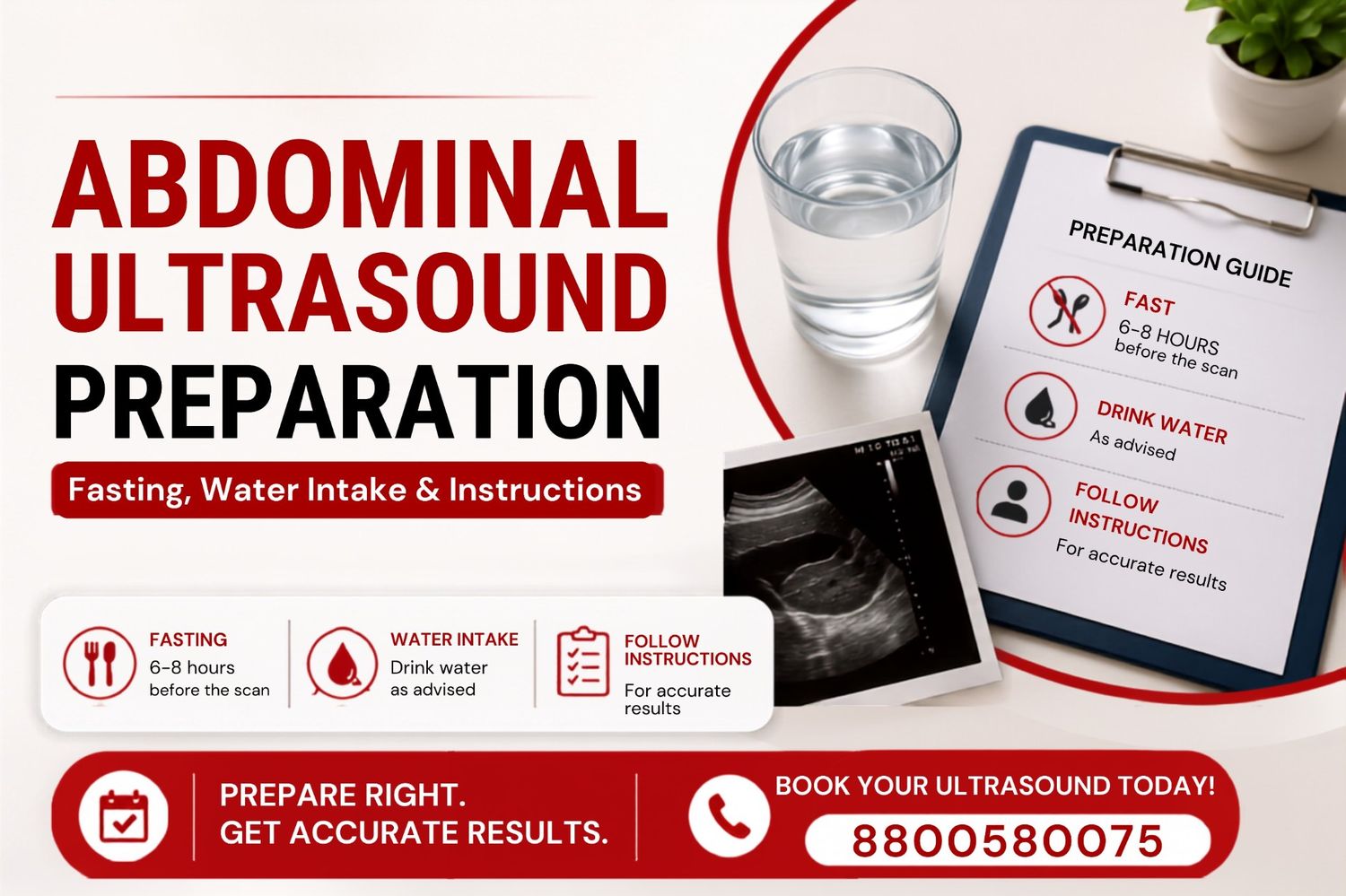
For the Abdominal ultrasound fasting is one of the most important requirement and it is to be followed in the essential manner as given below:
- Before the examination it is advised to the patients to work for 6 to 8 hours.
- Do not eat solid foods.
- Milk, tea, coffee, juice and soft drinks should be avoided unless instructed.
- Avoid chewing the gum or eating the candy as they can interfere with the digestion process.
- During the abdominal scan the gallbladder remains full and thus it makes it easier for the examination during the scan.
- An empty stomach in the intestine reduces the gas.
- Sound waves travels efficiently during the less bowel gas.
Water and its Intake guidelines
Depending on the type of the abdominal ultrasound the water intake is dependent.
Small sips of plain water are generally allowed for taking medications, unless your doctor advises otherwise.
Avoid the following beverages during the abdominal scan:
- Tea
- Coffee
- Milk
- Fruit juices
- Carbonated beverages
- Alcohol
Avoid the following foods during the abdominal scan:
- Beans
- Lentils
- Cabbage
- Cauliflower
- Broccoli
- Carbonated drinks
- Fried foods
- Heavy meals
- Excess dairy products
Common Mistakes to Avoid during the Abdominal Scan
Avoid the following common mistakes during the abdominal scan:
- Do not eat during the fasting period.
- Avoid drinking coffee or tea before the examination.
- Do not smoke as it may increase the stomach activity.
- Chewing gum or sucking candies should be avoided.
- Drinking carbonated beverages should be avoided.
- Ignoring instructions about maintaining a full bladder when required.
Conclusion
In order to obtain the accurate and high-quality abdominal ultrasound images proper preparation is needed. Water guidelines, following the fasting guidelines and taking proper medications as instructed by the medical adviser should be strictly followed and avoiding foods that increase gas can significantly improve the effectiveness of the examination. Thus the abdominal ultrasound is quick, safe and painless diagnostic tool that plays an important role in the detection and monitoring a wide range of medical conditions, enabling timely diagnosis and appropriate treatment. Although the preparation requirements may vary depending on the organs being assessed, carefully following your healthcare provider's instructions helps ensure a smooth procedure and reliable results.