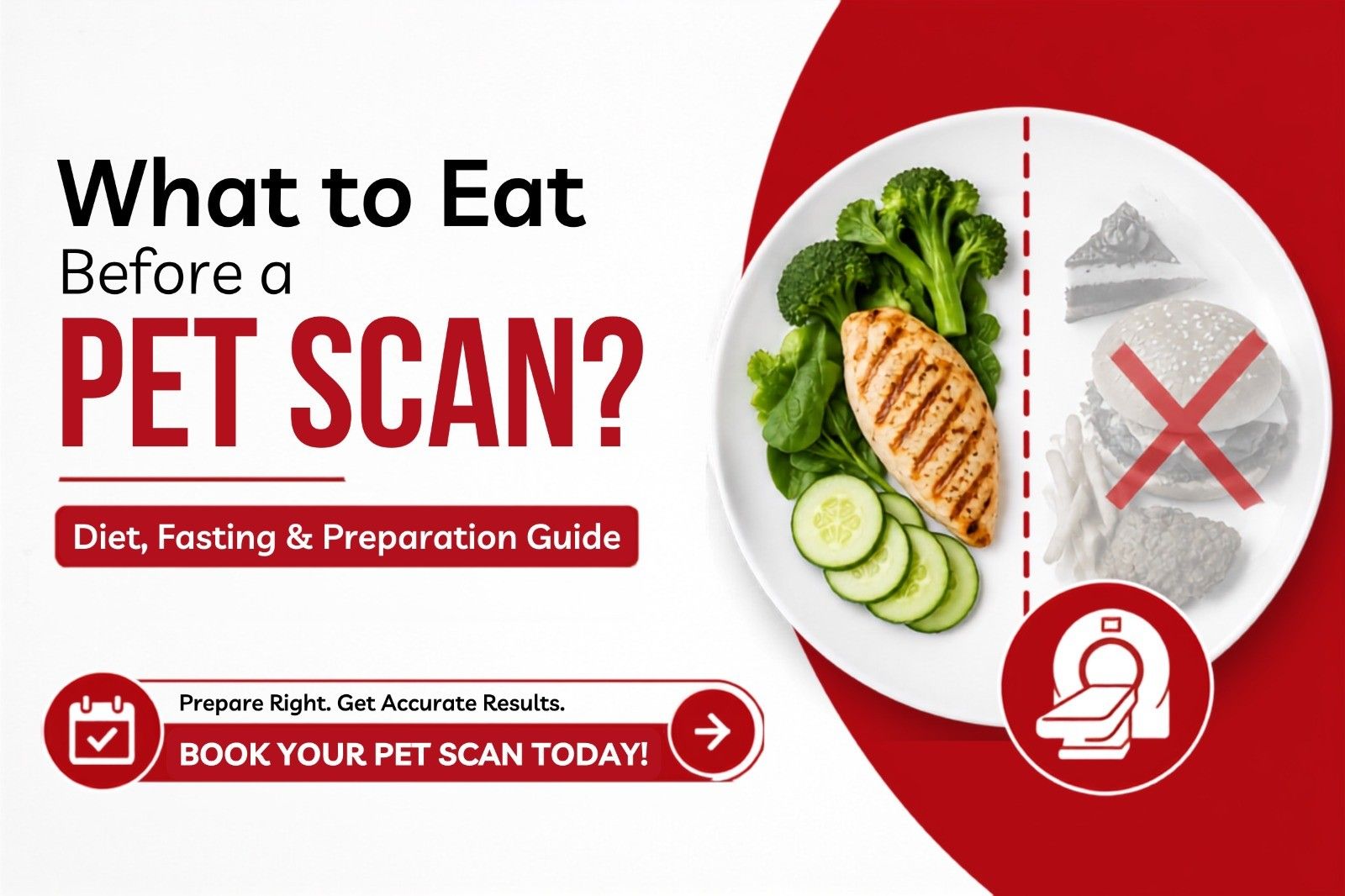
The diagnostic tool that helps to examine the functioning of the body tissues, such as blood flow, oxygen use and sugar metabolism in the body is known as Positron Emission Tomography (PET) and this technique helps to diagnose and treat various diseases. During the PET Scan the doctor injects the radioactive tracer into the vein of the patient, and it allows the extremely small cancerous tumor cells and heart and brain changes to show up in the scan. What we eat and drink before the scan significantly affects the accuracy of the results and thus it is important to know what we should eat and drink before the scan.
In the PET scan it is very important to understand the diet and its consequences on the accuracy of the results a radioactive tracer called fluorodeoxyglucose (FDG) is widely used in the PET scan. Thus, eating the wrong food before the scan can interfere with how the tracer is absorbed since the tracer competes with the glucose in the bloodstream and in turn the image quality reduced and makes it harder for the doctors to interpret the results accurately. This guide will help you to get insights into the PET scan diet before and after the scan.
Recommended Diet Before a PET Scan
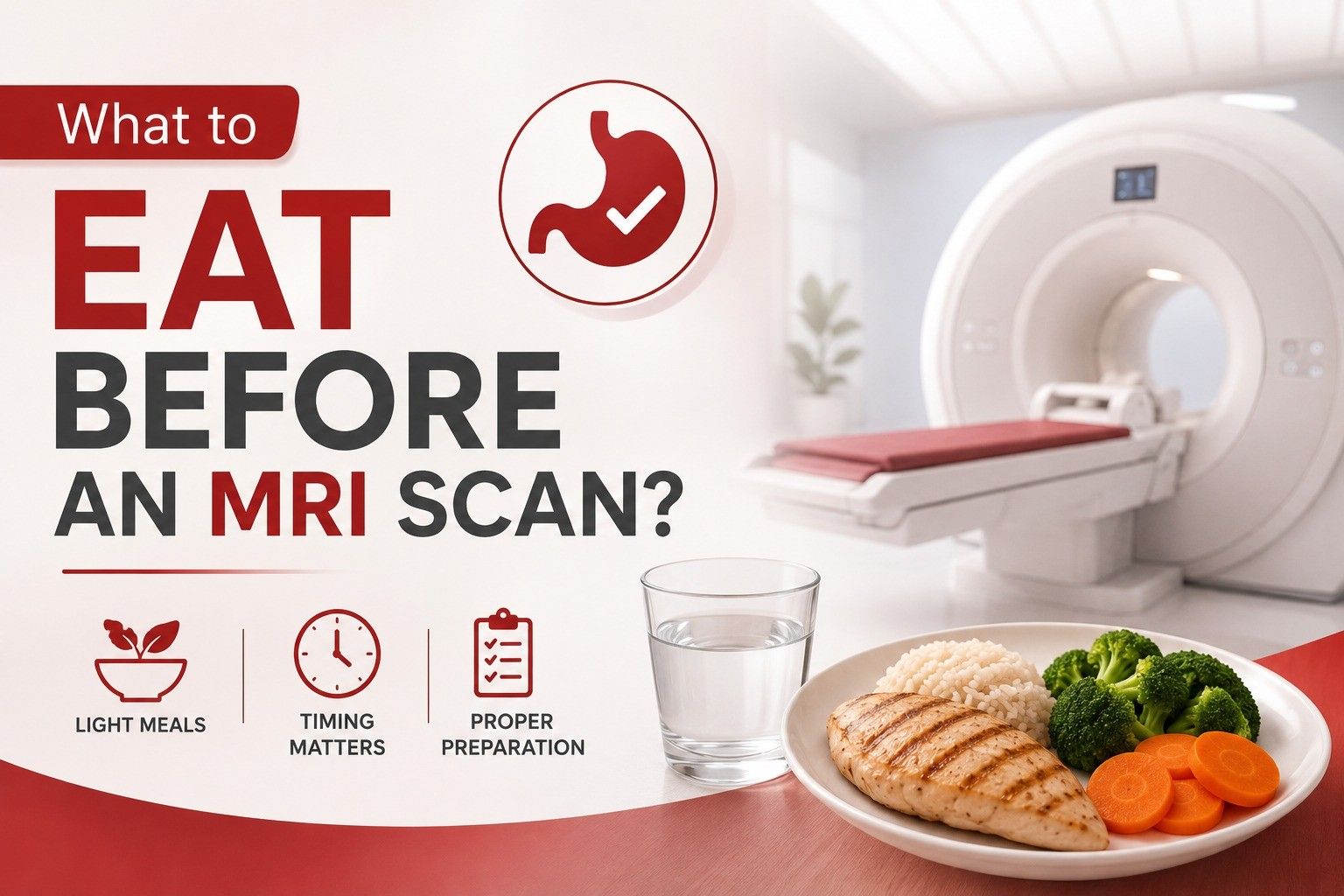
Usually a low carbohydrate, high protein diet is recommended during the PET scan by most healthcare professionals since it helps to lower the blood sugar and insulin levels and thus helps in improving the uptake of the tracer. Thus, it is recommended to choose foods that are rich in protein and healthy fats while being low in carbohydrates.
These include:
• Chicken, turkey, and lean beef
• Fish such as salmon, tuna, or cod
• Eggs
• Tofu and paneer (unsweetened)
• Cheese
• Butter and olive oil
• Avocados
• Leafy green vegetables
• Broccoli, cauliflower, zucchini, cucumber, and asparagus
• Plain water
• Black coffee (if permitted by your imaging center)
• Unsweetened tea
These foods help to maintain stable blood sugar levels without interfering with the PET scan and its results.
Foods to Avoid Before a PET Scan
Foods that are high in carbohydrates or sugar should be avoided during the 24 hours before your scan.
Common foods to avoid include:
• Bread, rice, pasta, and noodles
• Potatoes and sweet potatoes
• Breakfast cereals
• Cakes, cookies, pastries, and desserts
• Candy and chocolate
• Fruit and fruit juices
• Sugary drinks and soft drinks
• Milk and flavored yogurt
• Honey, jam, and syrups
• Beans and lentils (if instructed by your provider)
• Alcohol
Fasting Before a PET Scan
Usually, fasting for 4 to 6 hours is recommended before the PET scan by most of the diagnosing centers and some cases may require a longer fasting period depending on the type of scan.
During the fasting period:
- Plain water is recommended to drink during the fasting period since it keeps the patient hydrated and supports the distribution of the tracer throughout the body.
- Chewing gum is strictly avoided.
- Do not eat candy or mints.
- Flavored beverages should be avoided.
- Smoking or using tobacco products should be avoided if possible.
Thus, it is advised that we should continue taking the prescribed medications unless instructed by the doctor. However, certain medications, especially those used to control diabetes, may require adjustments before the scan because they affect blood glucose levels. Never stop or change your medications without consulting your healthcare provider.
Preparation for the PET Scan
Following points are to be kept in mind for the preparation of the PET Scan:
- Comfortable clothing is recommended during the PET scan.
- Loose-fitting clothing without metals is recommended whenever possible.
- Jewelry, watches and belts are usually asked to be removed during the scan.
- Hair accessories containing metal should be avoided.
- Glasses during certain scans are recommended to be removed.
- Strenuous physical activity should be avoided at least 24 hours before the scan since the exercise increases the glucose uptake by muscles and it can interfere with the PET scan images.
- Running, cycling and weightlifting should be avoided.
- Gentle walking is generally acceptable and that too should be avoided if instructed by your doctor.
Conclusion
Thus, we can conclude from the above that diet, fasting and preparation for the PET Scan is very important for ensuring an accurate PET scan. Following a low-carbohydrate, high-protein diet the day before, fasting for the recommended period, drinking plenty of water, and avoiding strenuous exercise all contribute to clearer imaging and more reliable results. Medications and their recommendations should be followed essentially to avoid any changes in the interpretation of the results. In addition to dietary restrictions, avoid strenuous activity for 48 hours before a myocardial perfusion PET stress test. Stay hydrated during the scan and avoid the strenuous exercises.