PET scan is the technology used for the detection of abnormalities like cancers in any part of the body. It is reliable, quick and is cost effective which in turn depends on the location of the city as well. The test is safe with the minimal risks and it might lead to the slight discomfort during the injection process for the test. Positrons tiny particles are emitted during the PET scan when a radioactive material is given to the patient. Lot of precautions and preventions are suggested during this scan.
PET scan is used for the following conditions:
- Cancer diagnosis.
- In decision making.
- Size of the cancer or tumour determination.
- Monitoring of the cancer and its stage.
- Analysis of the effectiveness of the treatment process.
Preparation for the PET scan
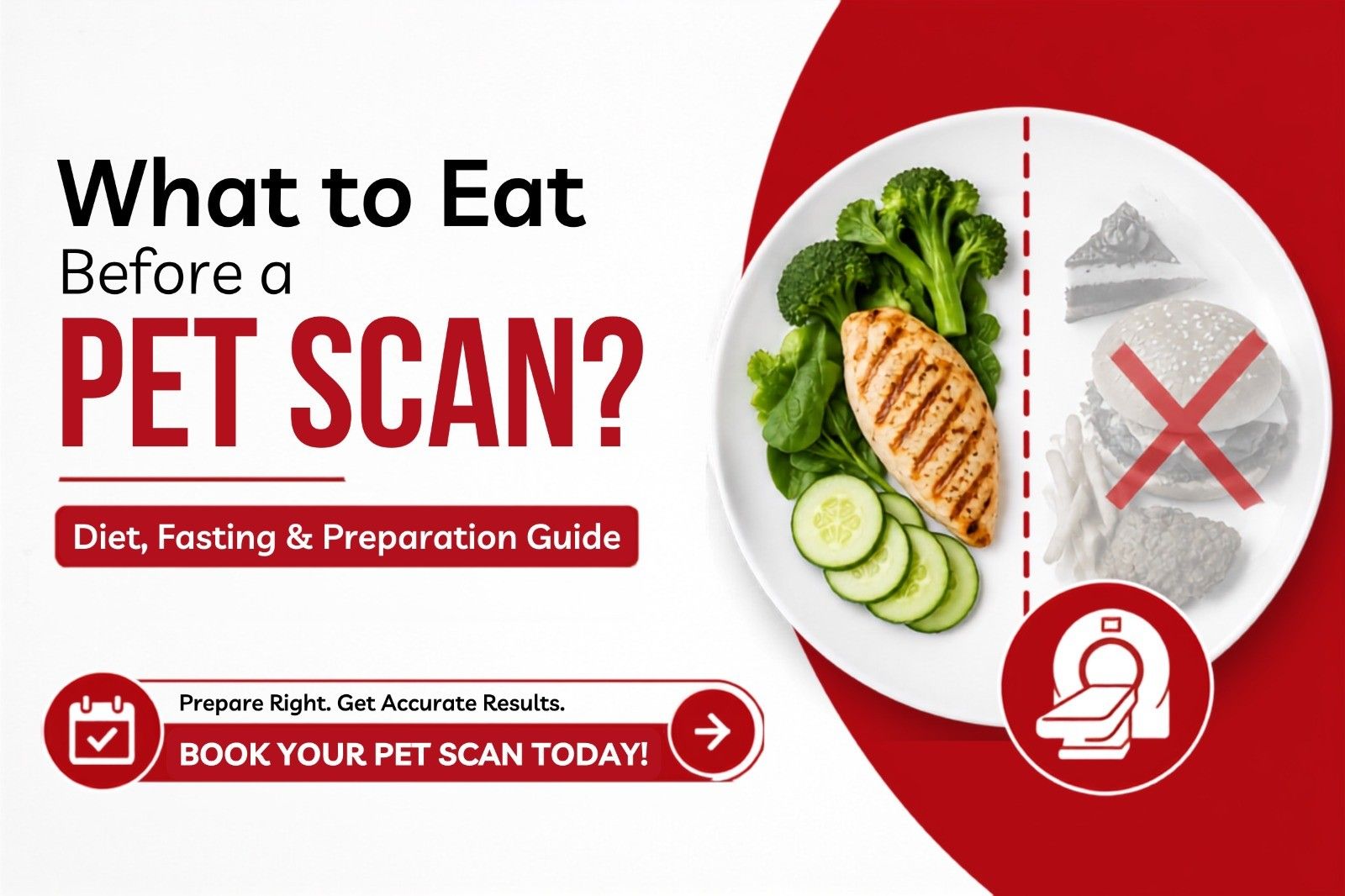
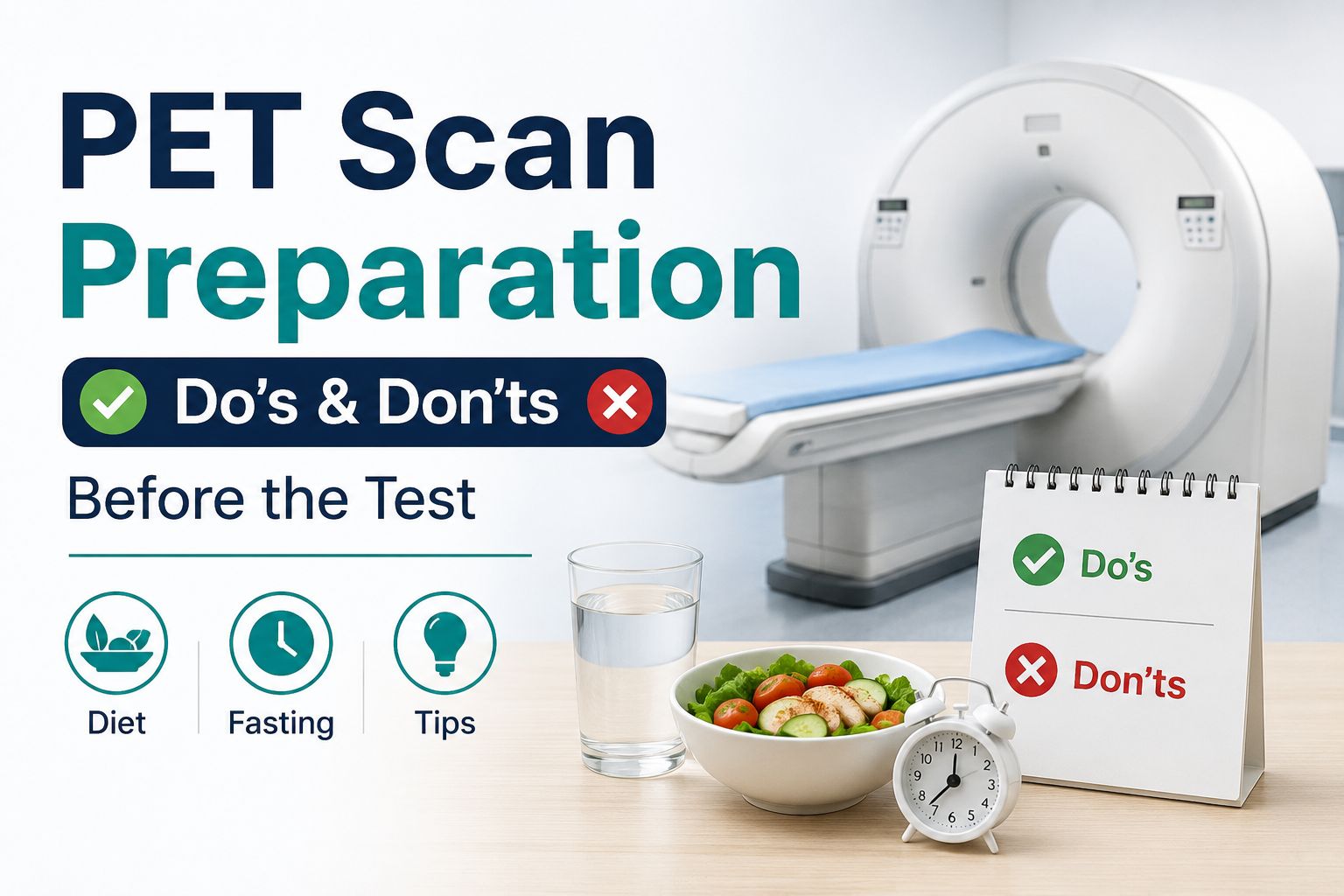
The best decision for the preparation of the PET scan is done by the doctor and he guides the patient in the PET scan performance and the doctor may recommend a particular diet and strict adherence to it. Usually a diet low in carbohydrates is usually recommended before the PET scan is carried out and it is usually recommended 12 hours before the scan and the non-starchy vegetables, tofu, butter, hard cheese and eggs are recommended to the patients as diet. If the scan is fixed for the afternoon, the patient can have breakfast, but, it should be low on carbohydrate. Fasting is usually suggested for the patient six hours before the scan but drinking the water during the scan is allowed. Since the inappropriate diet before the PET scan can impact the glucose levels in the body and it gives the inaccurate results of the scan. Thus fasting is recommended essentially before the scan.
For the accurate assessment of diseases and subsequent treatment a PET-CT scan is recommended and in this scan a PET scan provides functional status and CT scan gives the structural status of the organ or tissue through high-resolution imaging. The radioactive tracer is administered to the patient either orally or intravenously by the technicians and in turn it helps at the molecular level to locate the changes in the tissues and the organs of the individual. During the PET scan procedure it is usually recommended for the patients to have all the recent copies of the CT scans and MRI scans for the diagnosis of the patient so that the doctor’s team can also evaluate the reports before the scan.
The identification of the patient and the requested exam is examined first by the technician before the scan. In some cases the contrast can be given to the patient who is injected through the veins and it helps in defining the images better for the body and the diseased part. A small intravenous (IV) line will be placed in an arm vein only when the radiologist thinks that it would be helpful under the circumstance. The injecting of the isotope and the contrast is done through this line only and later on after the scan the contrast will be excreted out through the kidneys. The patient is suggested to inform the doctor about any allergies or adverse reactions to medicines before the scan is done. Average time required for the scan is around 2 hours only but the exact duration may vary for the scan. During the process the patient can ask questions to the technician related to the scan.
Recommended Diet for patient in order to undergo the PET scan
24 hours before the visit to the centre the patient can eat the diet prescribed by the doctor. A diet rich in protein and low in carbohydrates is recommended by the doctor to the patients undergoing the PET scan. Protein rich diet such as shellfish, nuts, crab, sunflower seeds, meat, fish, chicken and eggs are recommended and the non-starchy vegetables like green beans, spinach, cabbage, cucumber, cauliflower, broccoli and mushroom is suggested for the patients and zero-calorie drinks, diet soda is allowed in the beverages. It is highly recommended for the patients to drink a sufficient amount of water to stay hydrated.
The below mentioned food items are strictly suggested to be avoided before the PET scan:
- Fruits and juices
- Pasta
- Cereals
- Sugar and sugary foods like honey and candies
- Dry beans
- Pasta
- Nutritional shakes
- Smoothies
- Alcohol, wine or beer
- Rice and bread
- Syrups and Ketchup
- Jams and jellies
- Coffee or tea
- Milk or milk products
- Chewing gum, mints, or tobacco products.
Mostly diet is a major precaution which is mostly kept in check for the scan. Patient should not eat anything for six hours beforehand but having water during the process is allowed. Avoid strenuous exercise for 24 hours before the scan. Loose, comfortable clothes are recommended for the patient for the scan. Continue to hydrate yourself for several hours after following your scan. The best possible results are ensured by following these guidelines.
Risks of the PET scan
Since the patient is exposed to a small amount of radiation during the scan it is proven that a low dose of radiation and has not cause any harm to the patient. There may be a slight potential increase in the risk of developing cancer in the future if the patient is undergoing multiple PET scans, CT scans, and X-rays.
Side Effects of a PET scan
Following are the side effects of the PET scan:
- The exposure from radiations.
- Not recommended for the pregnant women.
- For accurate results fasting is required.
Always follow the doctor’s advice and discuss the risk of all these factors with your doctor in order to minimize any potential side effects. This scan helps the doctors to understand disease activity at the cellular level and it is one of the most powerful diagnostic tests and it is especially used for the diagnosis of cancer, it is active to detect the spread, disease and treatment response. The test is safe, painless and completed in a few hours. But it should be always taken in a reputed hospital under the trained professional. A patient won't be required to stay overnight in the hospital or facility since the PET scans are typically conducted as an outpatient procedures. 3-D images of the internal structures of the body are obtained by the PET scan.