Health packages
Add Member
Provide email & phone to receive medical reports and notifications.

Book your Appointment!
Icon Select Test
Icon
Not sure what you need?
+91 88005 80075
Let us know your health conditions. Our health advisor guide you.
Back SERVICES

Mammography

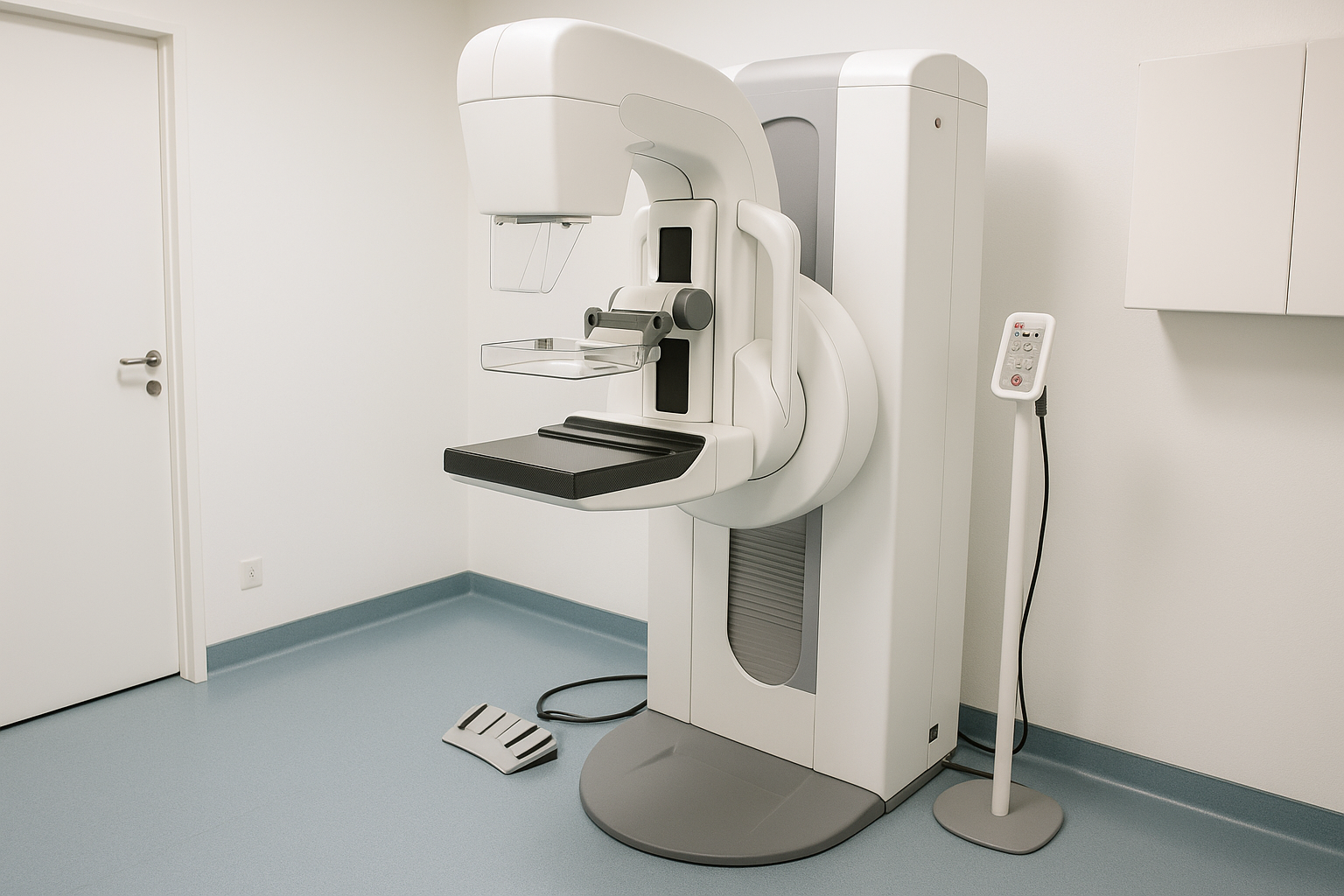
Mammography remains the most effective tool for early breast cancer detection. By identifying tumors at an early stage, it significantly improves treatment success rates and saves lives.
Breast Cancer Screening
Low-Dose X-Ray
Early Detection of Tumors
Specialist Radiology Report
Mammography

Mammography: A Vital Test for Early Breast Cancer Detection

Breast cancer is one of the most common cancers among women worldwide, but the good news is that early detection saves lives. One of the most effective tools for this is mammography. A mammogram is a specialized X-ray of the breast that helps detect tumors, lumps, or changes in breast tissueβ€”often before they can be felt.

What is Mammography? +

Mammography is an imaging test that uses low-dose X-rays to examine the breast. It is widely used as a screening tool for breast cancer and also as a diagnostic tool when symptoms such as lumps or pain are present.

There are two main types:

  • Screening Mammography – done routinely to check for breast cancer in women with no symptoms.
  • Diagnostic Mammography – performed when there are breast changes like lumps, pain, or unusual discharge.
How Does Mammography Work? +

The process is simple and quick:

  1. The breast is placed on a flat surface of the mammography machine.
  2. A plate gently compresses the breast to spread out the tissue.
  3. Low-dose X-rays capture detailed images from different angles.
  4. A radiologist reviews the images for abnormalities.

The compression may cause slight discomfort but lasts only a few seconds.

Why is Mammography Important? +

Mammography plays a crucial role in women’s health:

  • Early detection: Can identify cancer up to 2 years before a lump can be felt.
  • Increased survival rates: Women who detect breast cancer early have a much higher chance of successful treatment.
  • Monitoring high-risk women: Especially those with a family history of breast cancer.
  • Guiding treatment: Helps doctors plan surgery, biopsies, or further tests.

πŸ“Š According to the World Health Organization, early detection through mammography reduces breast cancer mortality by nearly 20–40%.

Who Should Get a Mammogram? +

Guidelines vary, but most experts recommend:

  • Women aged 40–49: Discuss with your doctor based on personal and family history.
  • Women aged 50–74: Routine mammogram every 1–2 years.
  • High-risk women (family history, BRCA gene mutation, previous chest radiation): May need earlier and more frequent screening.
What are the Benefits of Mammography? +
  • Detects breast cancer early, even before symptoms appear.
  • Quick, safe, and cost-effective.
  • Reduces the need for aggressive treatments by catching cancer early.
  • Proven to lower death rates from breast cancer.
What are the Risks and Limitations of Mammography? +

While mammography is highly effective, there are some considerations:

  • Radiation exposure: Very low, but repeated exposure adds up over time.
  • False positives: Sometimes abnormalities turn out not to be cancer, leading to anxiety and extra tests.
  • False negatives: In rare cases, small tumors may not be detected.
  • Discomfort: Temporary breast compression can be uncomfortable.
How to prepare for a Mammogram? +

Here are some tips to make the process smoother:

  • Schedule the test a week after your menstrual period (breasts are less tender).
  • Avoid deodorant, powders, or lotions on the day of the test.
  • Wear a two-piece outfit for convenience.
  • Inform your doctor if you’re pregnant, breastfeeding, or have breast implants.


Add Member
Provide email & phone to receive medical reports and notifications.