Health packages
Add Member
Provide email & phone to receive medical reports and notifications.

Book your Appointment!
Icon Select Test
Icon
Not sure what you need?
+91 88005 80075
Let us know your health conditions. Our health advisor guide you.
Back SERVICES

Echo

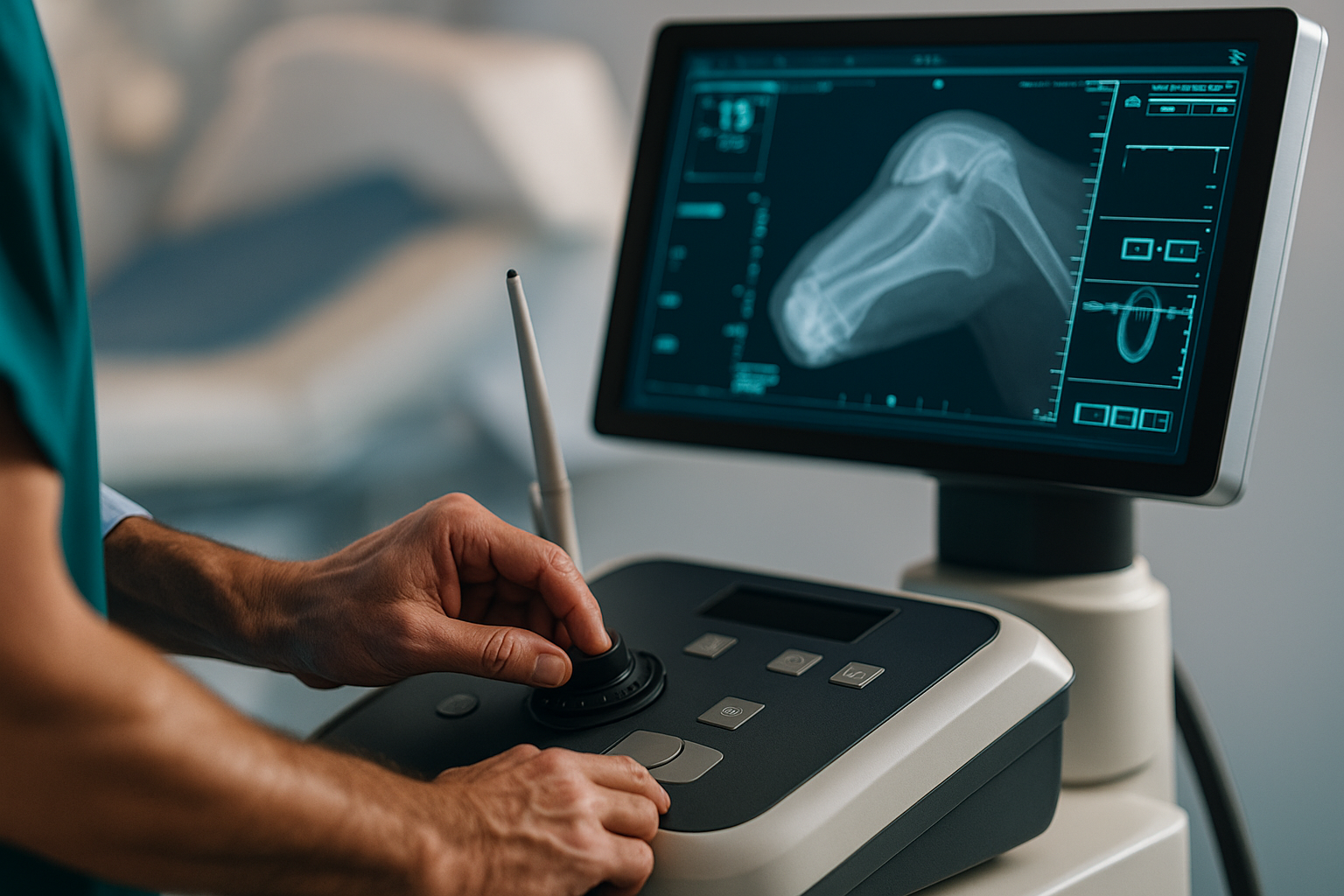
An Echocardiography (ECHO) test is one of the most valuable, safe, and effective ways to evaluate your heart’s health. Whether you’re experiencing symptoms like chest pain or simply undergoing a routine check-up, this test can provide critical insights into your heart’s performance.
Detailed Heart Imaging
Non-Invasive Test
Early Disease Detection
Specialist Cardiologist Report
Echo

Echocardiography (ECHO): A Complete Guide to Heart Ultrasound

When it comes to keeping your heart healthy, early diagnosis makes all the difference. A simple yet powerful test called Echocardiography (ECHO) can reveal vital details about how well your heart is functioning. Unlike invasive procedures, an ECHO test is safe, painless, and gives doctors real-time images of the heart’s structure and movement.

In this blog, we’ll explore what an ECHO test is, how it works, why it’s important, and what you can expect during the procedure.

What is an Echocardiography (ECHO) Test? +

An Echocardiography, commonly known as an ECHO test, is a diagnostic imaging technique that uses ultrasound waves to create live images of the heart.

These images help doctors:

  • Assess heart size and shape.
  • Check how well the heart chambers and valves are working.
  • Detect any fluid around the heart.
  • Measure blood flow and pumping strength.

πŸ‘‰ Think of it as an ultrasound of the heart, providing clear insights without radiation exposure.

What are the types of Echocardiography? +

ECHO tests come in different forms depending on what your doctor wants to examine.

1. Transthoracic Echocardiography (TTE)

  • The most common type.
  • A handheld device (transducer) is placed on the chest.
  • Provides a quick overview of heart structure and function.

2. Transesophageal Echocardiography (TEE)

  • Involves inserting a probe into the esophagus.
  • Produces clearer images, especially of the heart valves.
  • Often used in surgical or critical care settings.

3. Stress Echocardiography

  • Performed after exercise or medication that stimulates the heart.
  • Helps detect coronary artery disease and reduced blood flow.

4. Doppler Echocardiography

  • Measures the speed and direction of blood flow.
  • Useful for detecting valve disorders or congenital heart defects.
Why is an ECHO Test Important? +

Doctors recommend an echocardiogram when patients show symptoms like:

  • Shortness of breath
  • Chest pain
  • Irregular heartbeats (arrhythmias)
  • Swelling in legs or feet (edema)

An ECHO test can help diagnose conditions such as:

  • Heart valve disease
  • Congestive heart failure
  • Cardiomyopathy (weak heart muscle)
  • Pericardial effusion (fluid buildup)
  • Congenital heart defects

πŸ“Š According to the American College of Cardiology, echocardiography is one of the most commonly used imaging tools for heart disease diagnosis worldwide.

How is an ECHO Test Performed? +

Step-by-step process:

  1. You’ll lie on an examination table.
  2. A gel is applied to your chest to improve sound wave transmission.
  3. The technician moves the transducer over the chest area.
  4. Ultrasound waves create live images of your heart on a monitor.
  5. The test usually takes 30–60 minutes.

πŸ’‘ Good news: The procedure is painless, non-invasive, and requires little to no preparation.

What are the Benefits of Echocardiography? +
  • Safe and radiation-free.
  • Provides real-time images of heart activity.
  • Helps doctors detect heart conditions early.
  • Assists in planning surgeries or treatments.
What are the Risks and Limitations of ECHO? +
  • Generally risk-free, except mild discomfort from lying still.
  • Images may not be clear in patients with obesity or lung disease.
  • Sometimes requires advanced versions like TEE for more detail.
How to Prepare for an ECHO Test? +
  • Wear comfortable clothing.
  • Avoid heavy meals if a stress ECHO is planned.
  • Follow specific instructions if a TEE is scheduled (may involve fasting).
Add Member
Provide email & phone to receive medical reports and notifications.