Certified Diagnostic Care
Book trusted and affordable diagnostic tests with our NABL certified labs.

Nuclear tests in health care have revolutionized modern medicine by providing deep insights into organ function and disease activity. From detecting heart disease early to monitoring cancer treatment success, these tests play a vital role in saving lives.
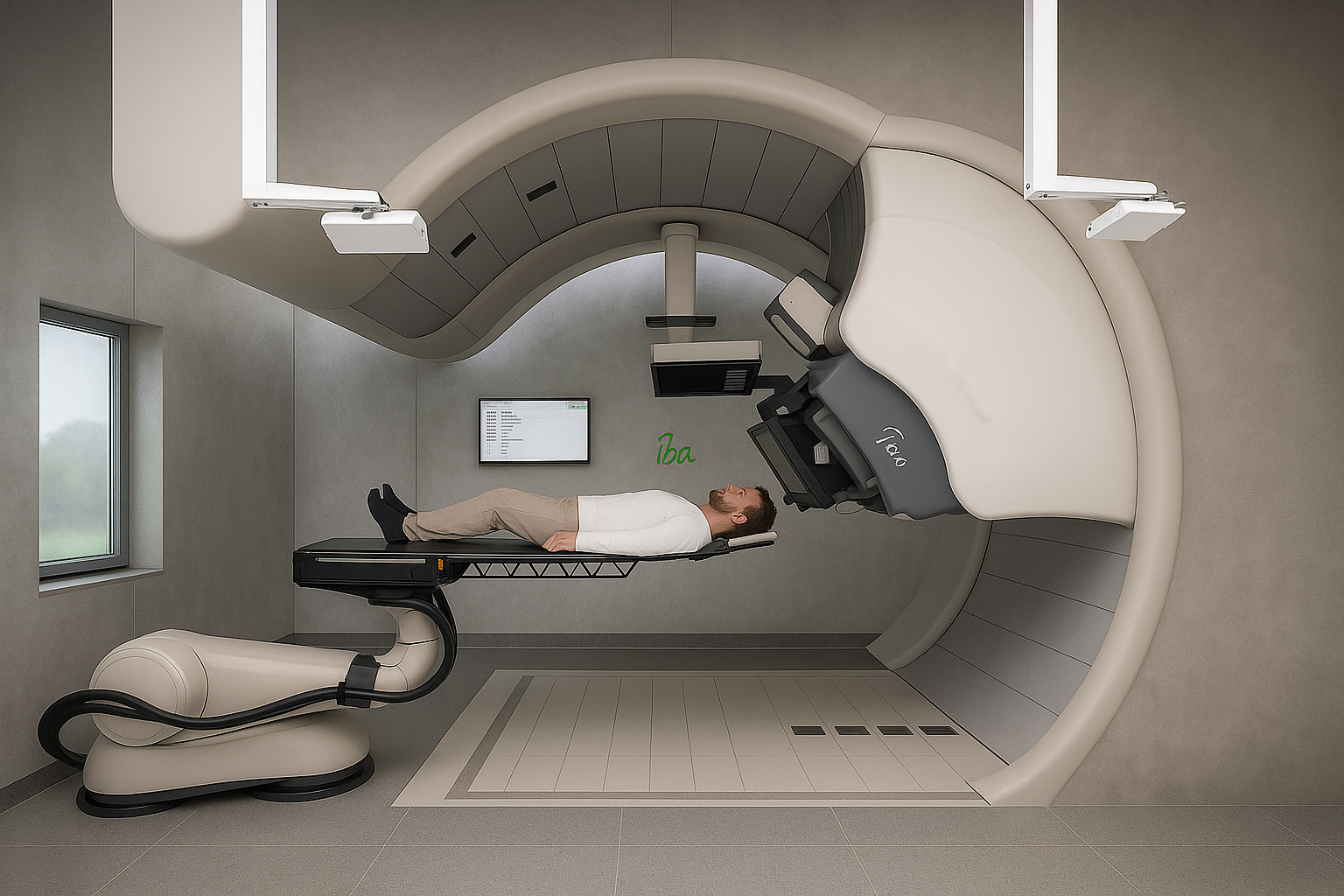
When most people hear the phrase “nuclear test,” they imagine weapons testing or mushroom clouds. But in the world of health care, nuclear testing has a very different meaning—and it’s one that saves lives every day.
In medicine, nuclear tests refer to diagnostic procedures that use small amounts of radioactive materials (called radiotracers) to visualize how organs and tissues are functioning. Unlike traditional scans that show structure, nuclear medicine tests reveal how the body works at a molecular level.
A nuclear test in health care is a diagnostic imaging technique where radiotracers are introduced into the body—usually by injection, swallowing, or inhalation. A special camera then detects radiation emitted by these tracers to create detailed images of organ function.
Unlike CT or MRI scans, which focus on anatomy, nuclear medicine tests highlight physiological activity, making them invaluable for early detection of diseases.
1. Nuclear Cardiology Tests
2. Nuclear Bone Scan
3. Renal (Kidney) Scan
4. Thyroid Uptake and Scan
5. PET (Positron Emission Tomography) Scan
📊 Fact: PET scans detect cancerous activity with up to 96% accuracy, making them one of the most powerful diagnostic tools available.
Many patients worry about the word “nuclear,” but these tests are safe and carefully controlled.
💡 Tip: Drinking water after the test helps flush radiotracers from the body faster.