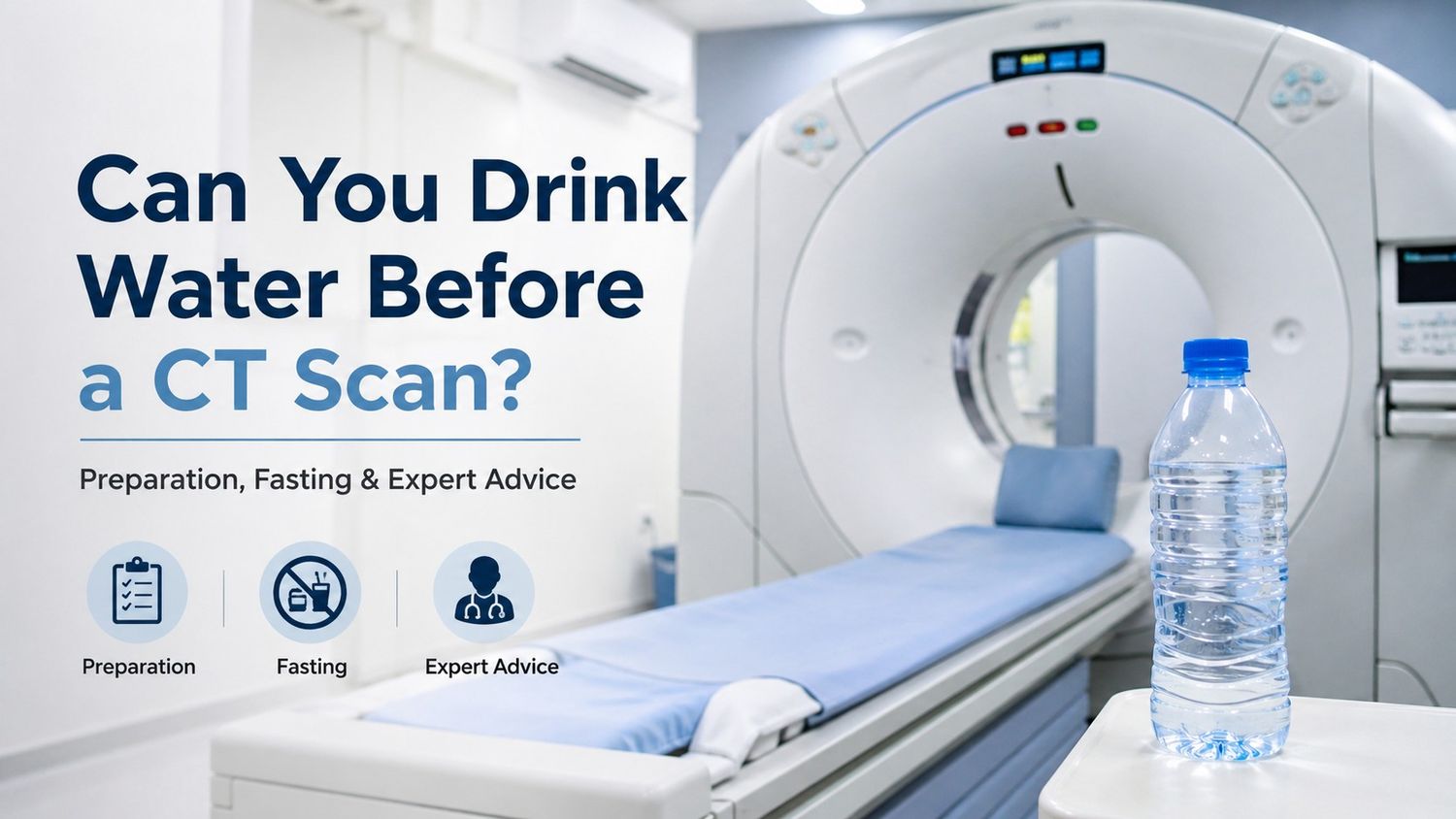
In the modern medicine Computed Tomography (CT) scan is one of the most commonly used diagnostic imaging technique. The detailed cross sectional images of the body’s organs such as bones, blood vessels and soft tissues is created using the advanced computer technology and X-rays combined together. Doctors recommend CT scans to diagnose injuries, infections, tumors, kidney stones, internal bleeding, and many other medical conditions. The preparation for every CT scan depends on the type of the scan used and whether the contrast will be used in the scan or not and even answer of whether one can drink the water or not depends on the same observations.
In most cases, drinking water is not only allowed but also encouraged. However, certain scans require fasting beforehand. Water is generally considered safe and does not interfere with the imaging process. In fact, staying hydrated is often beneficial because it helps your body eliminate contrast dye after the scan. There are few exceptions as well and it depends on the doctor who is examining the patient’s details. Even during fasting, many imaging centers still allow patients to drink plain water unless specifically advised otherwise. Always follow the preparation guidelines provided by your healthcare provider or imaging center.
Why Fasting is required during the CT Scan?
Fasting is required during the CT scan due because of the following conditions. Fasting may be recommended because it:
- After receiving the contrast dye during the scan it reduces the risk of nausea or vomiting.
- By keeping the stomach empty it improves the image quality.
- Helps radiologists obtain clearer images of abdominal organs.
- Prevents food from affecting certain types of scans.
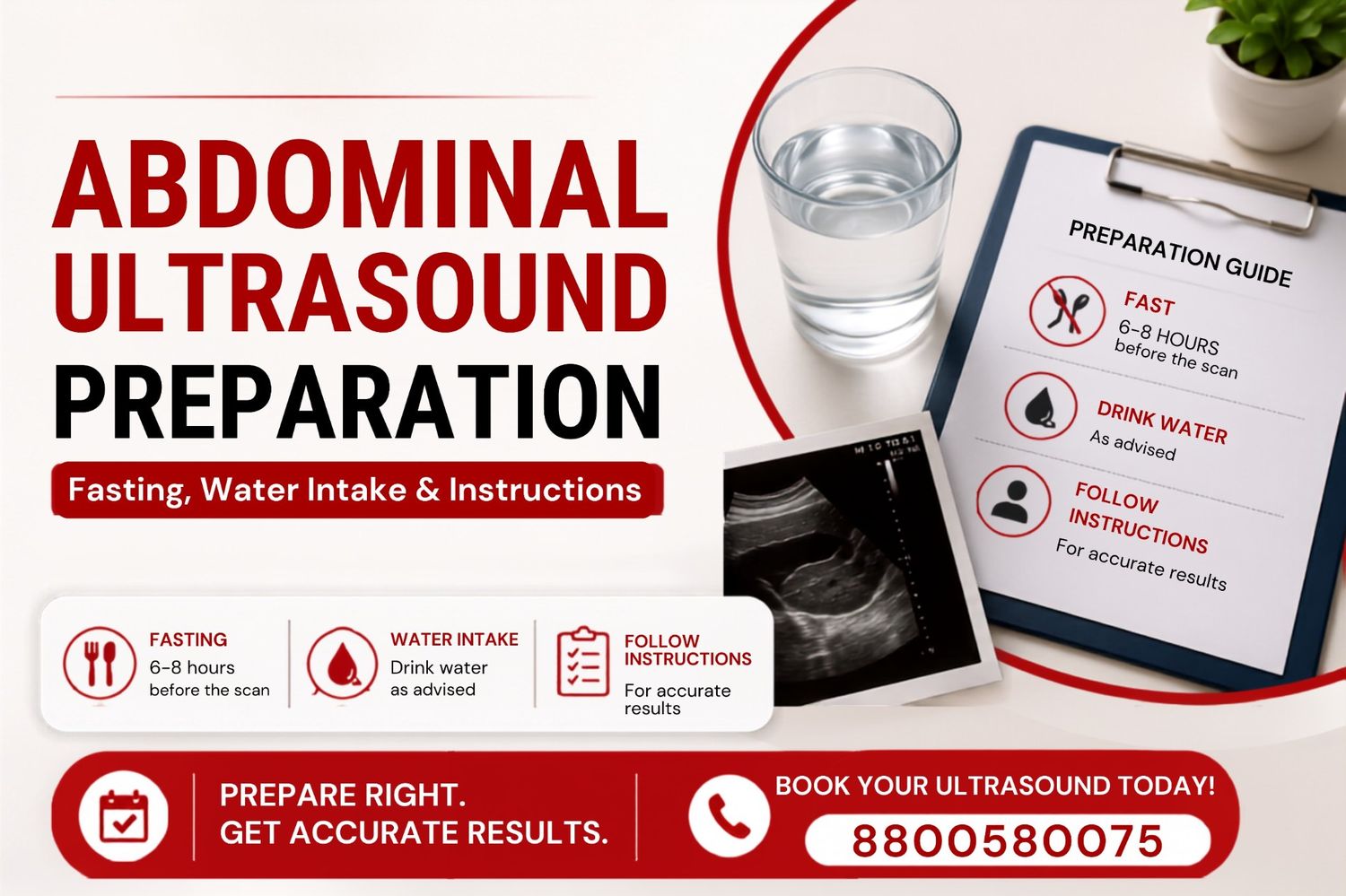
Typically, patients may be asked not to eat for 4 to 6 hours before scans depending upon the type of the scan undertaken by the patient.
Contrast Materials
Special materials used in some CT scans to improve the visibility of the organs, blood vessels and tissues is known as Contrast Material or dye.
Following three ways are used to administer the Contrast:
- Intravenous (IV) contrast: Injected into a vein.
- Oral contrast: Drunk before the scan for stomach and intestinal imaging.
- Rectal contrast: Used for certain bowel examinations.
Precautions to be taken during the CT scan
Following precautions should be taken during the CT scan:
- Avoid drinking the following during the CT scan such as Coffee, tea, milk, fruit juices, soft drinks, alcohols and energy drinks etc.
- Avoid drinking water when you are undergoing anesthesia or sedation.
- Having certain digestive issues.
- When your scan requires a completely empty stomach.
- Your healthcare provider has given special fasting instructions.
Preparation for the CT Scan
Following preparations are done during the procedure of the CT Scan:
- Follow the instructions of fasting if given by your doctor.
- Stay hydrated throughout the scan.
- Comfortable clothing should be used.
- Inform Your Doctor About Medications.
- Mention Allergies if any in advance.
- Discuss Pregnancy and its medications if any with your doctor prior.
Conclusion
Thus from the above we can conclude that Drinking water before the CT scan is completely safe and it does not interfere with the imaging technique at all. Some examinations require fasting for several hours, while others have no dietary restrictions at all. It is recommended to stay hydrated during the scan unless suggested by the doctor to avoid water and in turn this depends on the type of the contrast dye used for the scan. Therefore, it is very important to follow the preparation instructions given by your doctor or imaging center. Proper preparation helps ensure accurate imaging, reduces the risk of delays, and contributes to a smooth, successful CT scan experience.