Prenatal sonogram is the term used for the pregnancy ultrasound and is the safe and painless imaging test that uses high -frequency sound waves to create images of your baby inside the uterus. Since the ultrasound technique does not use the radiations it is the preferred method for the monitoring of the pregnancy and is non-invasive technique. Ultrasound during the pregnancy can help to determine the age, heartbeat, growth, position and overall development of the baby. Different type of the scans are used as recommended by your doctors as per the stage of the pregnancy to determine the different changes.
Types of Pregnancy Ultrasound
There are two main types of pregnancy ultrasounds which are as follows:
- Transabdominal Ultrasound: The most common type of the ultrasound a gel is applied on the abdomen and handled over by a device called transducer and in turn helps to capture the images of the baby.
- Transvaginal Ultrasound: This scan is usually performed during early pregnancy. A specially designed probe is gently inserted into the vagina to obtain clearer images of the uterus and developing embryo.
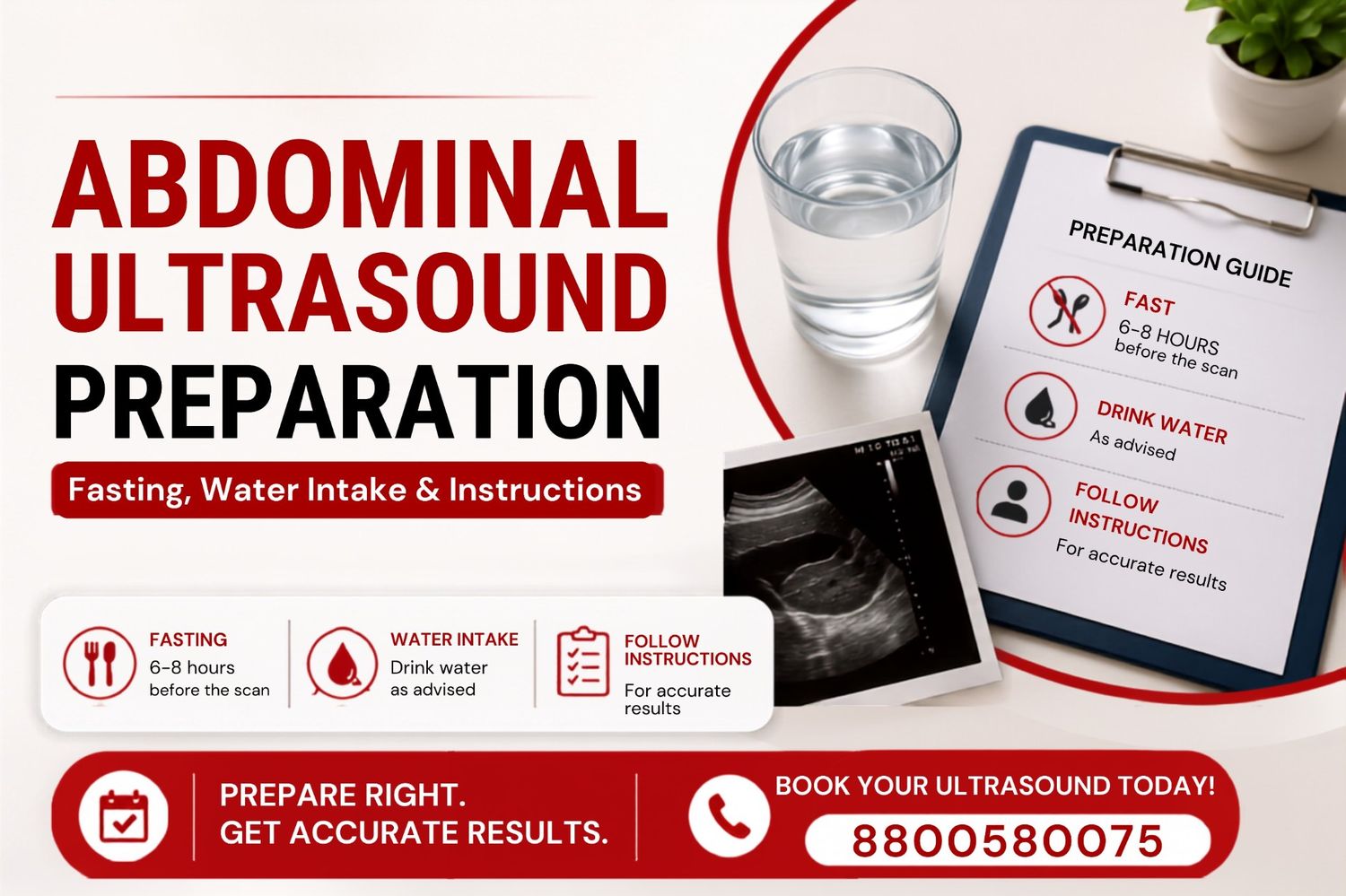
Preparation before the Ultrasound
Preparation in the right direction is the key to proper diagnosis and effective treatment. Following measures should be adopted:
- If recommended drink plenty of water and stay hydrated.
- Comfortable clothing should be used.
- Always carry your previous test reports in hand during the scan.
- Arrive early in order to avoid the anxiety.
- Eat Normally Unless Advised Otherwise.
How ultrasound works?
Following procedure is done during the ultrasound:
- High-frequency sound waves are used in the Ultrasound.
- A special device called a transducer is used to get the improved images.
- The transducer sends sound waves to the monitor.
- When the sound waves hit different body parts of the body the echoes are produced.
- The transducer receives these echoes from these body parts under examination.
- The computer converts the echoes into images.
- This procedure is painless and safer technique.
Uses of the Ultrasound during Pregnancy
Pregnancy ultrasounds provide valuable information throughout each trimester and in turn helps to get the following information:
- Confirm pregnancy
- Detect the baby's heartbeat
- Estimate the due date
- Determine the number of babies
- Monitor foetal growth
- Assess placental location
- Measure amniotic fluid levels
- Evaluate the baby's position
- Identify certain structural abnormalities
- Monitor high-risk pregnancies
Conclusion
What to expect during a pregnancy ultrasound is more reassuring and preparing for the pregnancy ultrasound is simple and easy to understand. Following your healthcare provider's instructions, wearing comfortable clothing, bringing the necessary documents, and arriving on time all contribute to a smooth appointment. The baby’[s growth and development throughout the pregnancy can be determined through the ultrasounds and thus there examination plays an important role in monitoring the baby’s growth and well-being. Since every pregnancy and its journey is unique and then there can be personalized guidance based on your medical history and thus ultrasound during the pregnancy is safe and non-invasive in nature. These scans are widely used in clinics, diagnostic centres and in the hospitals and in some cases the ultrasound is taken by inserting certain devices inside the body.