The growth and the development of the foetus is checked with the prenatal ultrasound also known as Sonogram. An ultrasound is performed by different medical caretakers for different reasons. Mainly the ultrasound is performed for checking the growth of the foetus and in many reasons the growing potential concerns are the main reasons for carrying out the ultrasound. Through the transducer the sound waves are sent through the abdomen and vagina and the process of Ultrasound is carried out. The sound waves bounce off structures inside your body and the fetus and then the transformed images are seen on the screen by your medical provider through the sound waves which are passed on in the body. The pregnancy ultrasound has no side effect and is safe but still the ultrasound is carried out in medical necessity only and based on the patient’s medical history.
Types of Pregnancy Ultrasounds
Depending on the stage of pregnancy and the purpose of the examination, your healthcare provider may recommend one of the following:
- Transabdominal Ultrasound: Most commonly used ultrasound during the pregnancy.
- Transvaginal Ultrasound: A specially designed probe is gently inserted into the vagina to obtain clearer images of the uterus and developing embryo.
- Doppler Ultrasound: The baby’s blood vessels blood flow is determined in this type of ultrasound.
- 3D and 4D Ultrasound: The detailed images of the baby's face and body is provided by the 3D and 4D ultrasound.
Uses of the Pregnancy Ultrasounds
Following are the uses of the pregnancy ultrasound:
- The pregnancy is confirmed by the ultrasound.
- The baby’s gestational age is determined through the ultrasound.
- Due date is estimated.
- Detects the multiple pregnancies.
- Fetal growth and development is monitored.
- Heartbeat of the baby is accessed with the ultrasound.
- Placenta and amniotic fluid is evaluated.
- Identify congenital abnormalities.
- Check the baby's position before delivery.
Preparation during the Pregnancy Ultrasound
Following preparation is done during the pregnancy ultrasound which are as follows:
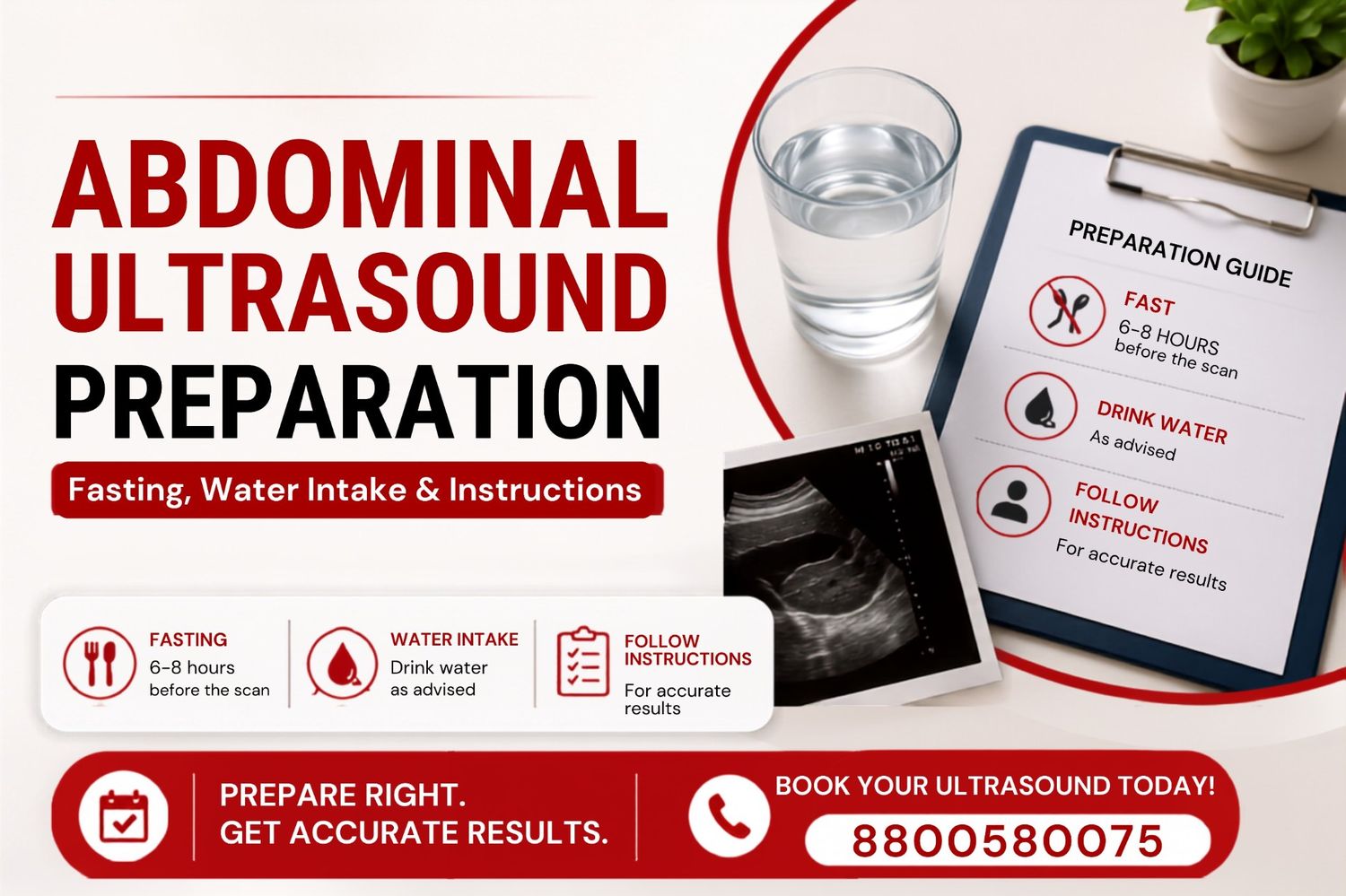
- Drink Water is usually advised.
- Comfortable Clothing is recommended.
- Bringing the Medical Documents is essential.
- Arrive Early for the ultrasound.
- Follow Dietary Instructions as instructed by your medical health care provider.
Usually the scan is completed within 25-40 minutes. The results can either normal or abnormal and in the normal results the pregnancy is carried out easily without any problem whereas the abnormal results mean your pregnancy is not easy and it is facing some problems and in that case your doctor can recommend you another ultrasound or test.
Conclusion
The important insights into your baby's health and development while providing reassurance throughout your pregnancy is carried out during the ultrasound and is the valuable part of the prenatal care. Following the proper instructions of the doctors will help you to stay calm and composed during your pregnancy journey and it will ensure you have an accurate results and a smooth experience as well.