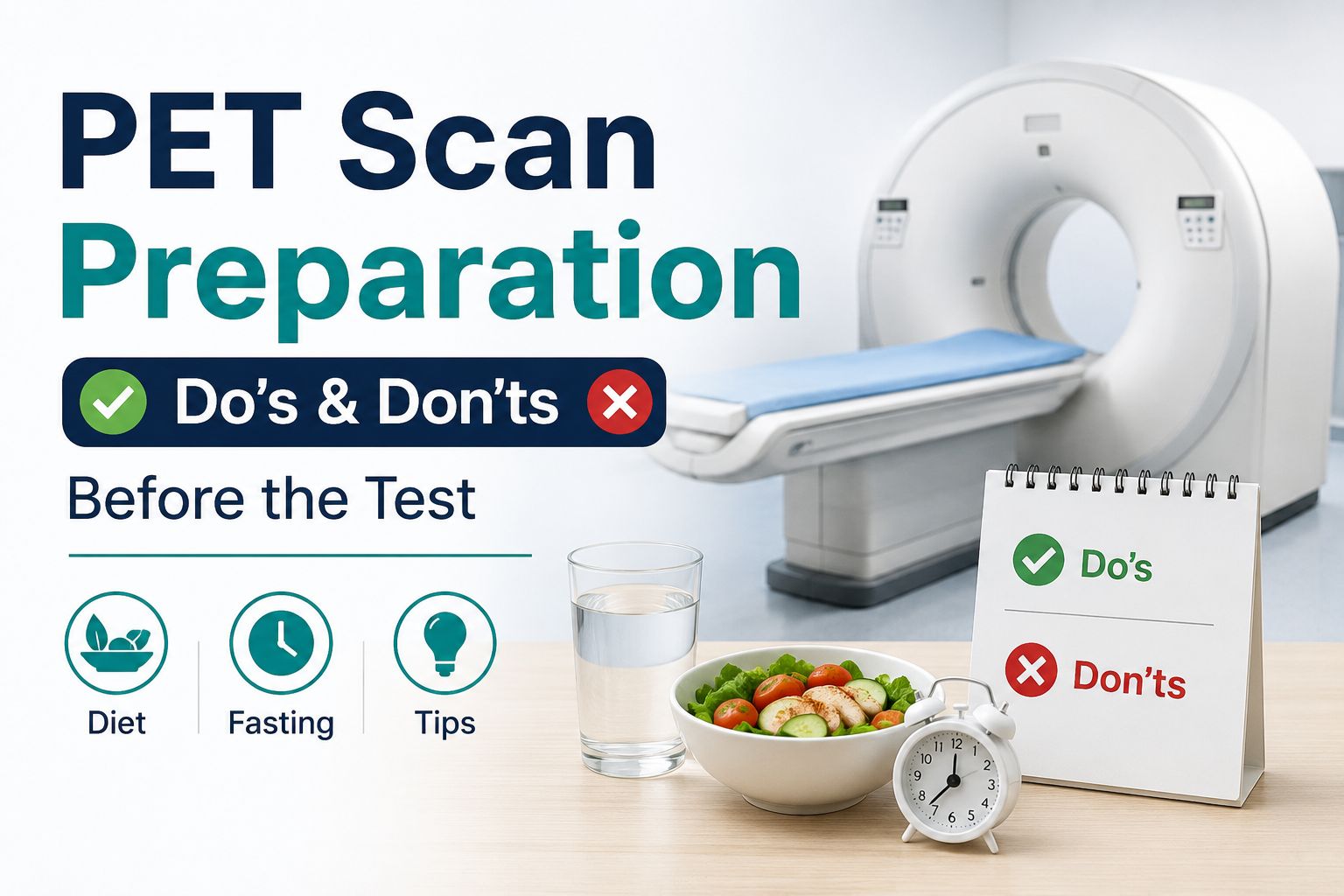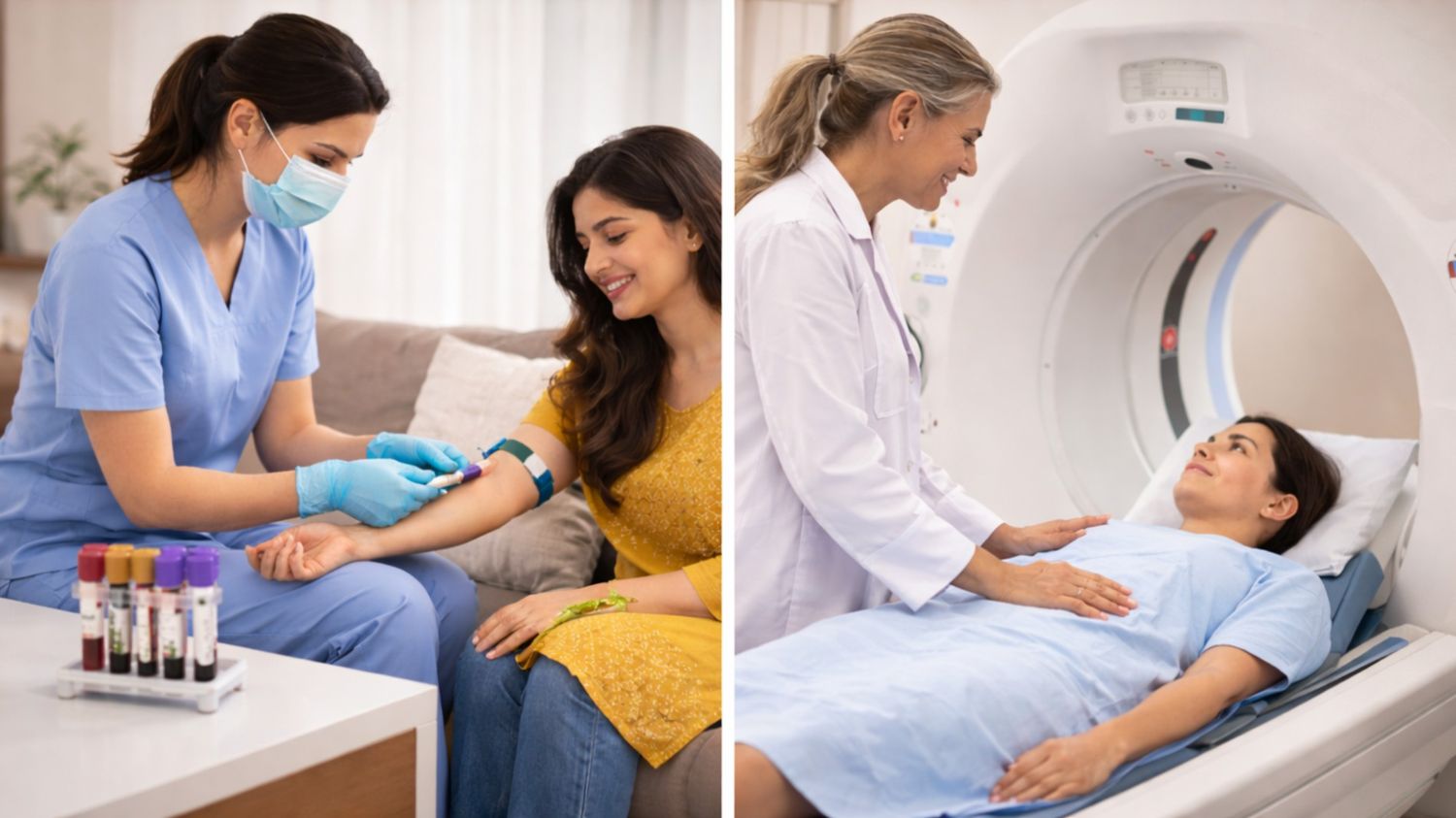
With ever evolving world of science and with the new advancements in the field of medical science the researchers around the world are looking and researching for the new diagnostic treatments and technologies for the patients around the world to make ease in the treatment process and help the patients in order to get the early diagnosis of the diseases. Two different approaches such as Pathology and Radiology in the field of the medical science are making ease in the diagnosis process. For example: X-ray is one of the radiological procedures and is most commonly used diagnostic procedure in the medical science. Both the techniques use different approaches for the treatment process but the common goal is helping in the treatment process.
Pathology
Pathology is the field of medical science which helps in the diagnosis of the diseases and helps in the treatment of the samples of the tissues, cells, fluids and other surgical samples through their physical examination. A wide variety of tests are included under the pathology. The manual examination of samples such as the blood test, autopsy etc all comes under the pathological tests and thus the complex procedures are examined under this specialised technique.
Subfields of Pathology:
There are three subfields of pathology and they are as follows:
- Cytopathology
The cytopathology subfield of pathology helps in the detection of the origin of the diseases and in this technique the cells are examined for abnormal cell growth and inflammation.
- Molecular pathology
Using the molecular pathology it is becoming very easy to predict the causes of the specific symptoms and future diseases as well and it is the newly added field and area in the pathology technique in which the molecular constituents of cells and tissue samples are examined for any possible sign of the mutations in order to study about the variations and mutagens and early prediction and detection of the mutagens can help to save so many patients on time.
- Surgical pathology:
This technique is widely used in the diagnosis and treatment of the cancer cells in which the biopsy sample from the suspected tissue or organ is taken for the examination by the pathologists and subsequently examined under a microscope or through the naked eye for the formation of the tumour or uncontrolled cell growth in a specialised pathological lab. Similarly the autopsy samples are examined by the doctors in order to understand the possible reason and cause of the death.
Radiology
Radiology is the field of medical science that produces the images of the body parts using the ionizing radiations. It makes the use of the radiant energy in order to diagnose the symptoms and cause of disease for the effected body parts for determining the possible reasons behind a cellular activity, functioning of the joint and bone, internal response and inflammation in the tissues. In the technique of the radiology the body is subjected to the radiation and then the radiation is received by the photosensitive surface. The advanced programs are used in this technique and the light activity is read through these computers based programs and then they produced the subsequent images of the same based on the scattering and absorption of light.
Subfields of Radiology:
There are two subfields of radiology and they are as follows:
- Diagnostic Radiology
Doctors and physicians use the images to study the bones, joints and tissues and it is the most widely used filed of the radiology and the biggest advantages of this technique is the identification of the internal injuries. The 2-D and 3-D images of the injuries can be generated through this technique and as required and prescribed by the doctor. The techniques included under this category of radiology are MRI, X-ray, CT scan, PET (Positron Emission Tomography), ultrasound and nuclear medicine.
- Interventional Radiology
In this technique the medical procedures like inserting implants, valves, wires , catheters, and other health aid tools inside the body are guided by the radiographic images and all this helps to reduce the incision required for insertion and also helps the patients to do not undergo the complex surgical procedures, for example: breast biopsy, needle biopsy, angiography and vertebroplasty.
Difference between Radiology and Pathology
Radiology
- Radiations are used for imaging.
- The body condition is diagnosed.
- Performed by Radiologists.
- Based on interventional procedures.
- X-ray, ultrasound, CT, MRI are used.
Pathology
- The disease is analysed through the examination of the tissues.
- Through the samples the diagnosis of the disease is carried out.
- Performed by Pathologists.
- Based on molecular procedures.
- Microscope, lab test technology are used in this.
Combination of both the techniques
At times both the techniques are used in a same diagnosis process at the specific steps and these both are needed for accurate diagnosis. For example: size and location of the tumour is determined by the radiologist through the CT scan or MRI scan and then in turn the nature of the tumour is confirmed by pathology though the biopsy that whether the tumour under examination is cancerous in nature or not. Thus in this way these techniques together help to decide the exact cure and confirm the nature of the diseases through the use of these two important techniques. Thus in order to experience the better Medical diagnosis these two techniques combination is extremely important. However it is completely dependent on the doctors to choose which technique to adopt for the particular diagnosis, but the fact is both the techniques are indispensable for the treatment and diagnosis of the diseases and they together are helping the doctors for comprehensively understanding the health condition of the patient. Thus in order to address the specific needs of each patients the physicians can help to improve the accuracy of the diagnosis by tailoring the individualized treatment plans through the use of these interdisciplinary approaches.
Recent Advancements in Radiology and Pathology Technologies
The imaging quality and analysis of tissue samples, enabling more accurate diagnoses and personalized patient care have been enabled through these important technologies and subsequent advancements in these two technologies. Advancements such as integration of the Artificial Intelligence (AI) with these technologies help helped a lot. Artificial Intelligence (AI) is the computational powers which are required for interpreting the complex biological datasets. To forecast disease risk with increasing accuracy, predictive profiles can be built by the AI models from the historical data. More personalized and pre-emptive healthcare strategies are enabled by the predictive diagnostics across various medical fields around the world.