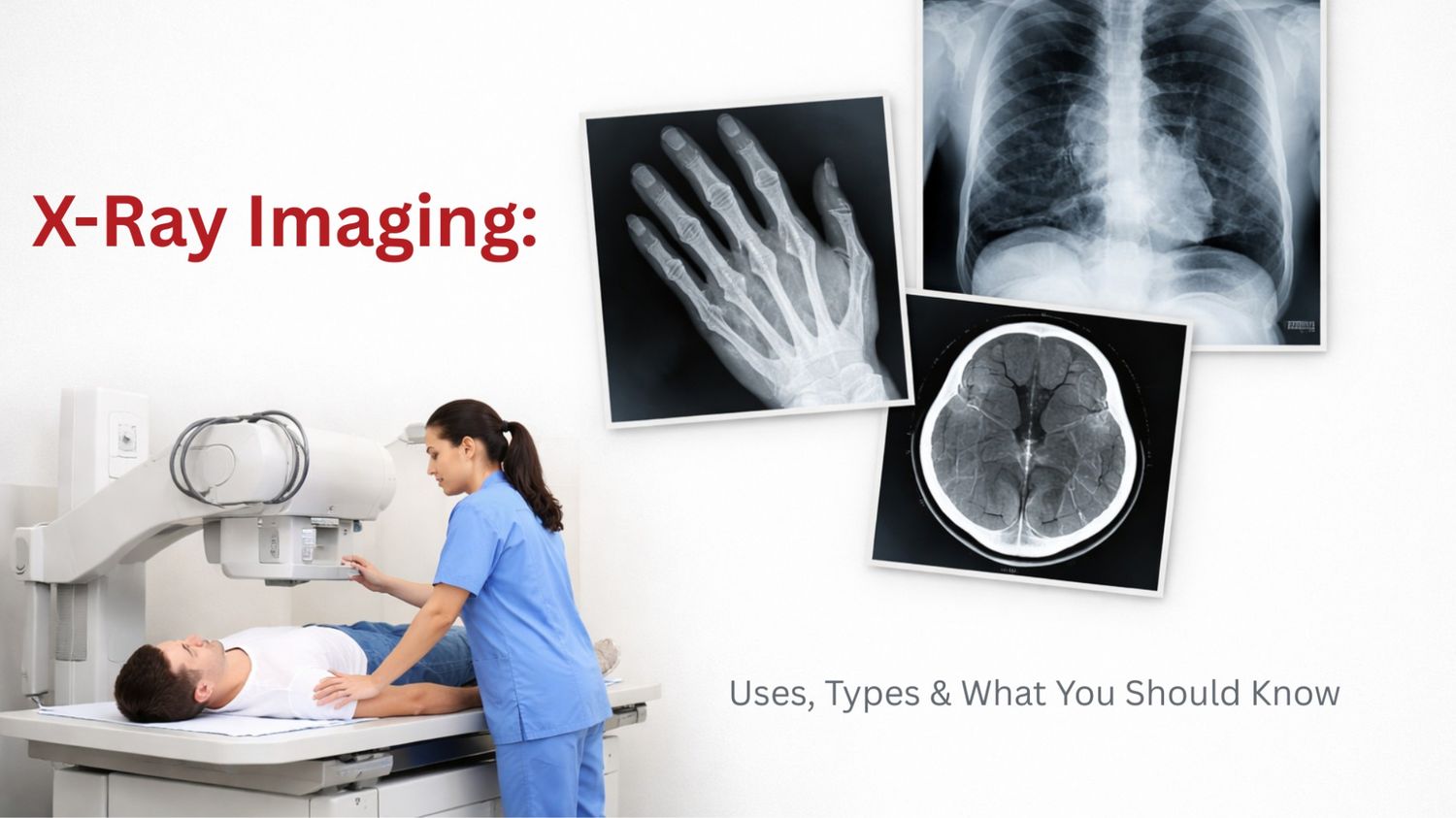
The electromagnetic radiation with very short wavelengths and high energy is known as X-rays. In 1895 they were discovered by Wilhelm Conrad Roentgen. X- rays can pass through many materials such as the human body since they have the high penetrating power, which makes them extremely useful in medical diagnosis, industry, and scientific research. When the high speed electrons collide with a metal usually tungsten inside an X-ray tube the X-rays are produced energy is released in the form of X-rays during this process. Bones appear white in X-ray images because these rays can penetrate soft tissues but are absorbed by denser materials while softer tissues appear darker. The air in the lungs shows up as black. Fat and muscle appear as shades of grey. In order to get the detailed images some types of X- rays uses a contrast medium- such as Iodine or barium inside the body so as to get the detailed images of the concerned part.
Some properties of X-Rays are:
· Same speed as that of the light.
· Cannot be deflected by electric or magnetic fields.
· Ability to ionize atoms and molecules.
· Can remove electrons from atoms.
· Potentially harmful if exposure is excessive.
X-rays are mainly classified into two types based on their energy and wavelength:
1. Soft X-rays
These X-rays have relatively longer wavelengths and lower energy compared to other type of X-rays. They are easily absorbed by the materials and have the low penetrating power and thus are mainly used in the imaging of the soft tissues and in the scientific research and they are not used for the deep medical imaging because of their limited penetration power. These X-Rays are used in the spectroscopy and in studying surface structures also.
2. Hard X-rays
These X-rays have the shorter wavelengths and higher energy and they have the greater penetrating power and can pass through denser materials and due to this reason they are widely used for examining bones and detecting fractures. These X-Rays are used for defects in metals, airport security scanning systems and welding joints. They are also used for diagnosing fractures, infections, dental problems and lung diseases. They help to detect the cracks and flaws in materials and also used to study the structure of molecules and crystals in the field of crystallography. If not used properly they can be harmful as well and their excessive use can even damage living tissues and may lead to diseases like cancer. Thus when working with the X-rays safety measures such as using protective lead shields and limiting exposure time is essentially taken care of.
Some specific imaging tests that use X-rays are:
• Bone density (DXA) scan: This test checks the strength and mineral content of our bones and also captures the X-ray images.
• Dental X-ray: These X-rays are used to investigate the cavities or issues with your gums and they provide the details of the entire dental structure.
• Fluoroscopy: These tests provide the real time analysis of what is inside your body through a series of X-rays. They in turn help to determine the issues with specific body parts and diagnose them appropriately. They also use it to help guide certain procedures, like an angiogram.
• CT scan (computed tomography): CT scans use X-ray and computers to create 3D images of the inside of your body.
• Mammogram: These X-rays shows the irregularities that could lead to breast cancer and gives the images of your breasts X-rays.
Some of the most common areas on your body to get an X-ray are:
· Broken bones, dislocated joints or arthritis.
· Parts of your digestive system.
· Kidney stones and bladder stones.
· Chest X-rays with the symptoms like shortness of breath or a cough, chest pain etc.
· Lungs or congestive heart failure.
· Skull fractures from head injuries.
· Spine for conditions like arthritis and scoliosis.
How do X-rays work?
X-rays create images on a nearby X- ray detector by sending beams of radiation through your body to create images. These radiations are invisible and we usually cannot feel them. Bones, soft tissues and other structures absorb radiation in different ways as the beams of the X-rays pass through the body. Dense and solid tissues like tumours and bones appear bright white on the image since they absorb radiations easily while the soft tissues such as muscle, fat and organs appear in shades of grey on the X-ray since they do not absorb radiations easily. A radiologist writes the report for the physician who ordered the X-ray after interpreting the images of the X-rays by making the notes of the unusual changes which is abnormal and concerning for the doctors or healthcare providers and need immediate attention for the same.
How to prepare for the X-rays?
Depending on the type of X-ray you’re getting the preparation varies.
ü Remove metal objects like jewellery, hairpins or hearing aids since they can interfere with X-rays and make the results inaccurate.
ü Comfortable clothing is recommended.
ü Always tell your healthcare provider about your health history before undergoing the X-rays.
Risks or side effects of X-rays
X-rays are safe and small amount of radiation is not harmful, for example a dental X-ray exposes you to about the same amount of background radiation and is not harmful in nature. It is usually safe for the adults as well but is very harmful to the foetus if you are pregnant and alternatives such as ultrasound can be used in this case. Since the amount of radiation you are exposed to during an X- ray depends on the organ or tissue under examination. Also factors such as age etc directly affect the sensitivity to the radiations since children being more sensitive than adults. Thus the benefits from these tests outweigh the risks and the exposure from these rays is usually very low.
Liquid given before having some types of X-rays is called contrast medium. The injection of a contrast medium can cause side effects such as:
· Nausea
· Hives
· Itching
· Flushing
· Very low blood pressure
· Difficulty in breathing
· Swelling in some body parts such as throat
The healthcare provider will receive both the images and the radiologist’s notes and then accordingly will recommend the further steps of the cure in this regard. X-ray results are obtained very quickly and much more quickly if you’re in an emergency. Usually the radiologist take several minutes or hours radiologist to read and record the results but the X-ray reports are often ready very easily but for the more complex X-rays the results may take longer. You might see your X-ray results show up in your electronic health records very easily. Your provider will let you know if you need more imaging or testing to take a better look at something after reviewing your X-ray reports.
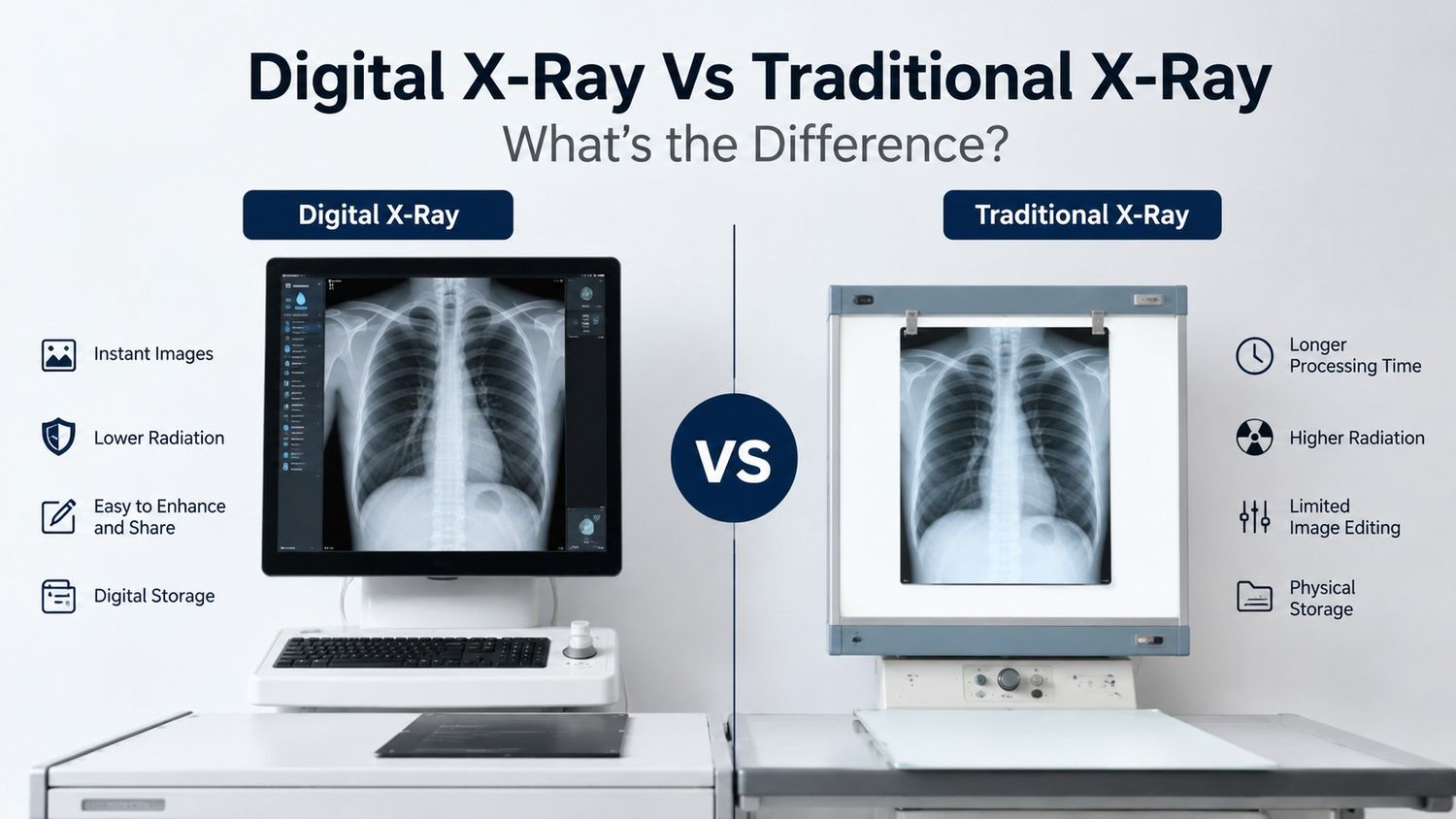
Thus in order to get the best results you should get help from Dygo diagnostics and it is easily available near you and is just one click away. These X-rays are saved digitally on computers and can be viewed on-screen within minutes. The reports are viewed and understood by the healthcare providers and then accordingly the further course of action is suggested depending upon the severity of the results. X-rays are powerful and versatile electromagnetic waves with significant applications in various fields and thus X-rays helps determine their specific uses based on their energy and penetrating ability.