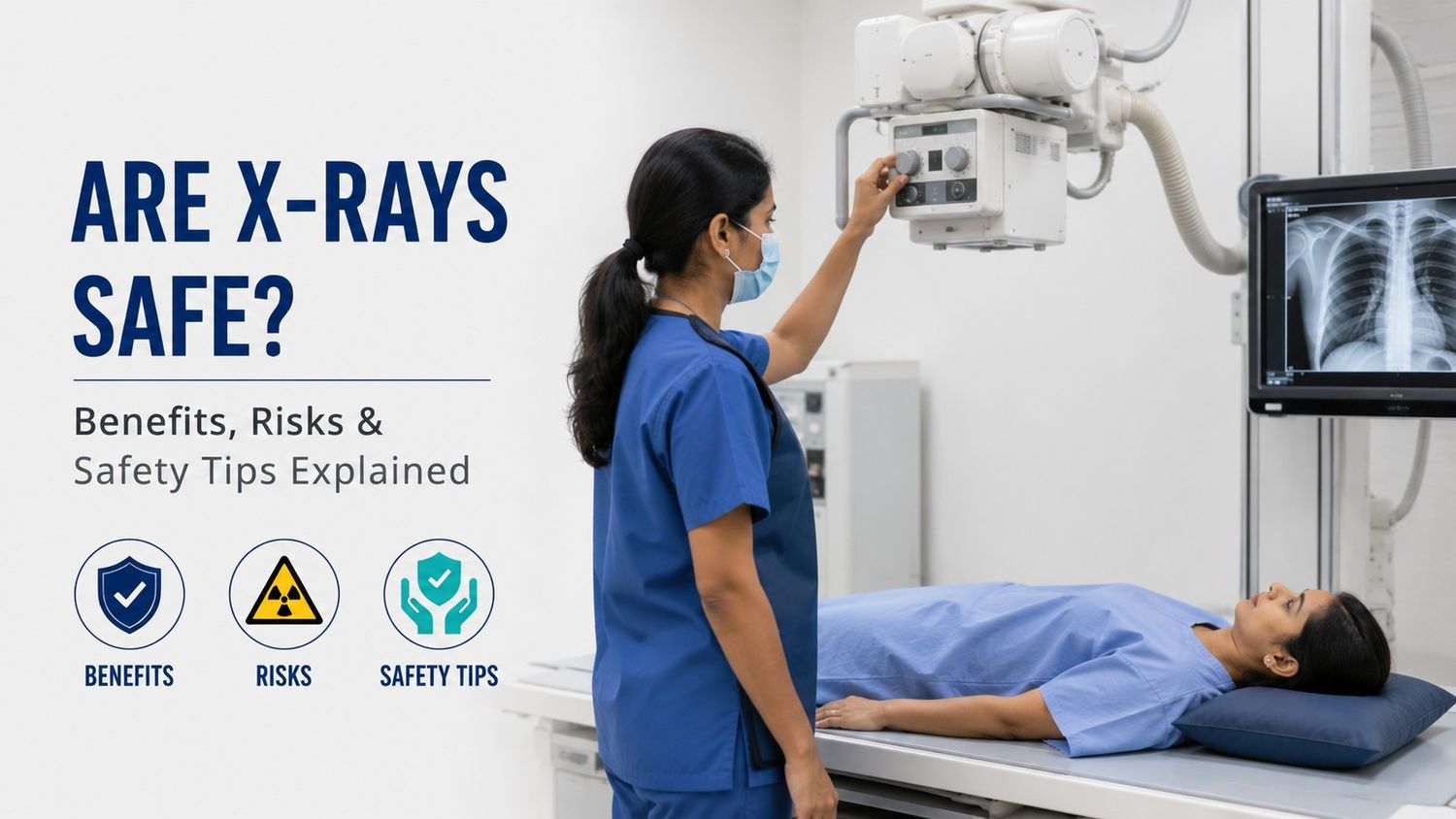
One of the most common imaging technique used in the world is X-rays. They are widely used in the diagnosis of the diseases, injuries and helps in guiding the treatments accurately and quickly. X-rays play an essential role in modern healthcare right from checking broken bones to detecting infections in the lungs. Although the X-rays involve the exposure to radiations still it is safer and painless technique. Patients will feel more informed and confident when undergoing an X-ray examination if they are aware about the benefits, risks, and safety measures of the X-rays. X-rays are used to create the images of the internal structures of the body parts using the electromagnetic radiations. Lungs appear black on the X-ray images since they are spaces filled with air. To identify fractures, infections, tumours, dental problems, and other medical conditions these different absorption of the specific parts in the X-rays allows the doctors to use these contrasts in the early and easy diagnosis process. It is non-invasive, fast and painless technique. It is one of the most efficient diagnostic tools available presently since the entire process takes only few minutes.
Properties of X-Rays
- They have the same speed as that of the light.
- They cannot be deflected by electric or magnetic fields.
- Ability to ionize atoms and molecules.
- Can remove electrons from atoms.
- Potentially harmful if exposure is excessive.
Benefits of X-Rays
- Quick and Accurate Diagnosis is possible with this technique.
- It is non-invasive and painless procedure.
- Helps in the detection of various conditions such as fractures, dental cavities, lung infections and breast cancer etc.
- Helps the doctors to access injuries after accidents.
- Helps in guiding the medical procedures.
- Helps to get the insides of the body’s internal structures.
- X-Rays are used to locate the swallowed objects etc.
Are X-Rays Safe?
When X-rays are used appropriately they are considered one of the safest and non-invasive technique. Thus ALARA principle (As Low As Reasonably Achievable) is used by the modern scanners to minimise radiation dose, particularly in children. The amount of radiation used in most routine X-rays is very small and unlikely to cause harm. Thus this imaging technique is comparatively safer and painless in comparison to other techniques such as CT scan or MRI.
Risks of X-Rays
- Radiation Exposure: The amount of exposure is the biggest risk of the X-rays and if the unnecessary repeated scans are avoided the exposure risk can be minimized.
- Pregnancy Concerns: High radiation exposure during pregnancy may affect the developing baby, especially during early stages. Thus informing the doctors priory is recommended.
- Contrast Dye Reactions: Allergic reactions may be felt when the contrast dyes are used during the procedure and symptoms such as rashes, nausea and itching may be felt.
- Cumulative Effect: Higher radiation exposure over time get accumulated if the people undergo frequent imaging tests and thus maintaining the scans record is what is essentially recommended.
Safety Tips for X-Rays
Strict guidelines are followed by the medical professionals to ensure patient safety during X-ray procedures. Some of the safety tips for the procedure are:
- Using the Lowest Effective Dose.
- Protective Shields should be used during the scan.
- Limiting Exposure Time for the patient.
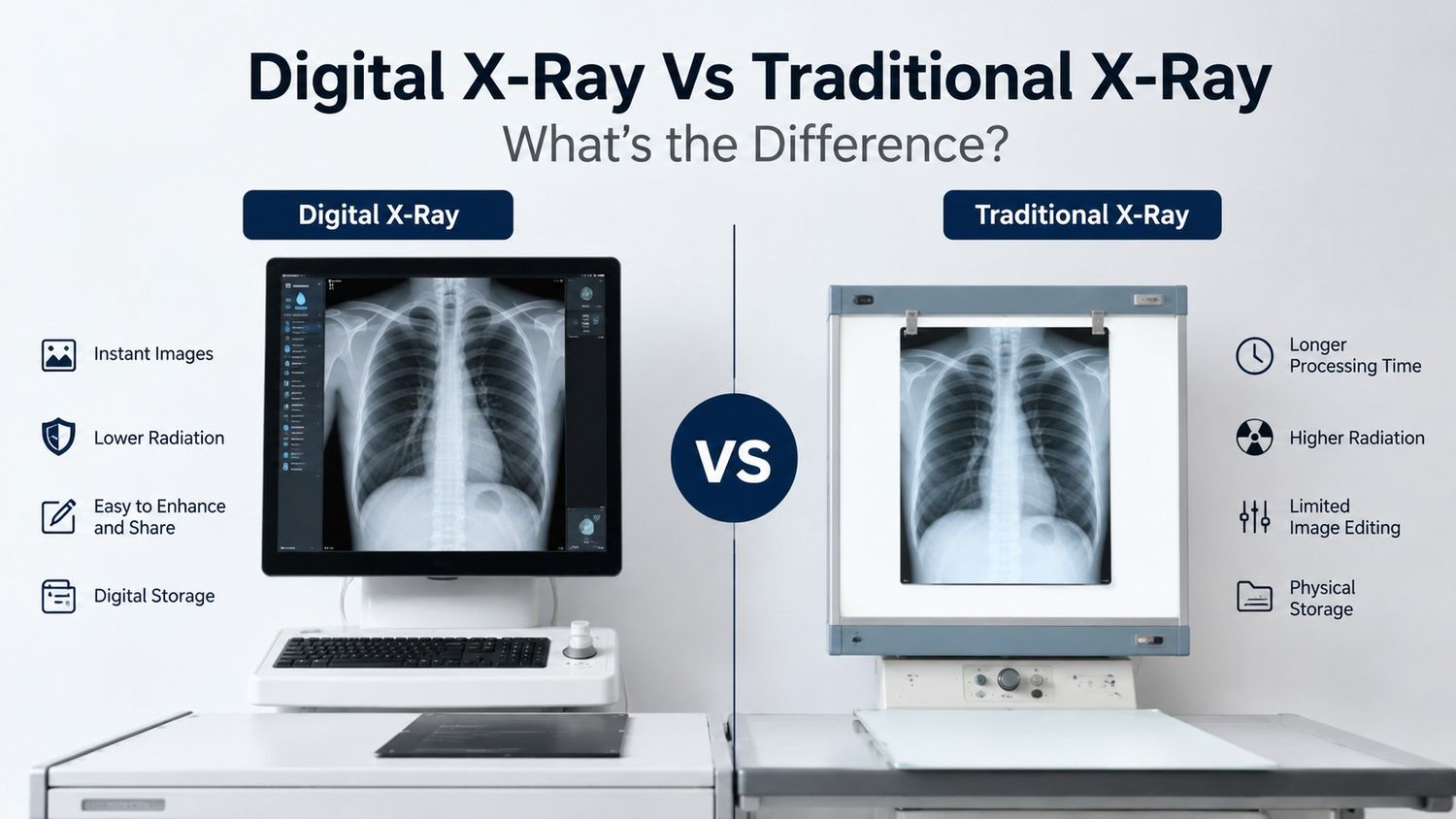
- Modern Digital Technology should be used for the imaging procedure.
- Careful Justification of the reports and other processes.
- Always inform your doctors if you are pregnant or have any other medical issues.
- It is highly recommended to keep the records of the previous X-rays for tracing the history of the patient in order to minimize the risk.
Conclusion
X-rays have transformed the medical healthcare by enabling the fast and accurate diagnosis and are most valuable and safer medical technique. They are widely used by the doctors to detect the infections, injuries and many other health conditions while guiding effective treatments. Modern technology and strict safety measures keep the risks very low since the very small amount of the radiations are used. Understanding the benefits and potential risks of X-rays allows patients to make informed healthcare decisions. Thus the safety measures should be used in order to avoid the risks and other potential myths of the X-rays and accurately medical information far outweigh the minimal risks associated with X-ray exposure.