Stress and chronic conditions are common, in this fast pacing world where consistent health evaluations support informed decision-making and sustainable wellness. The changes in the normal functioning in the body depends on lot of factors such as age, gender, ethnicity, pregnancy status and even the time of the day and it also varies from person to person. Usually the blood test reports are interpreted by the trained laboratory expert or the doctors to the patients. Apart from this the hormonal variations of males is completely different than that of the females. Understanding of the values of these results at the individual level is essentially needed.
One of the most effective tools for proactive and preventive care is wellness testing. In order to understand how the body is functioning today and what risks may develop in the future this wellness testing provides the valuable insights. The group of blood tests designed to evaluate overall health, detect early imbalances, and identify potential disease risks before symptoms appear is known as Wellness Testing. Thus it takes body as a whole instead of taking one single condition under consideration. Factors such as metabolic health, inflammation, nutritional status, blood sugar balance, and organ function can be assessed through the wellness functioning. It helps to build up the long term health plan as well. Thus these assessment plans should also evolve with the lifestyle changes, age and personal risk factors.
For maintain the good health an annual wellness program is must, it helps to identify risk factors early and tracks your overall health status. The health history of the family and of the patient is usually reviewed by the doctors. A physical exam ensures any concerns are addressed. Thus a proactive care plan is created and viewed by the patients and providers. In order to support the long-term health and reduce the health risks following steps are used and it promotes a healthier lifestyle as well.
- The risk of the serious illness decreases because of the vaccines and timely screenings.
- It helps to track the health in a better way.
- Personalized recommendations based on your health.
- Early detection makes the treatment effective.
Why regular health screening is important?
It is important to understand why these routine health screening is necessary. Blood tests are necessary for several reasons:
· The early signs of diseases like diabetes, high cholesterol, or kidney disease before symptoms arise can be determined through health screening.
· These tests diagnose infections and hormonal disorders.
· Blood tests are needed Patients with chronic conditions like diabetes or thyroid conditions, need regular testing to track progress and to adjust treatment plans.
· Having the complete understanding of the health status allows doctors to compare future results and to identify changes over time.
· Regular screening helps to reveal how your diet, habits, and activity level are affecting your health and what needs to be changed in your lifestyle to meet the healthy life standards.
· Regular screening helps to reduce the anxiety and avoid lifestyle changes.
· It helps to take the control of your health.
· It ensures in the timely treatment.
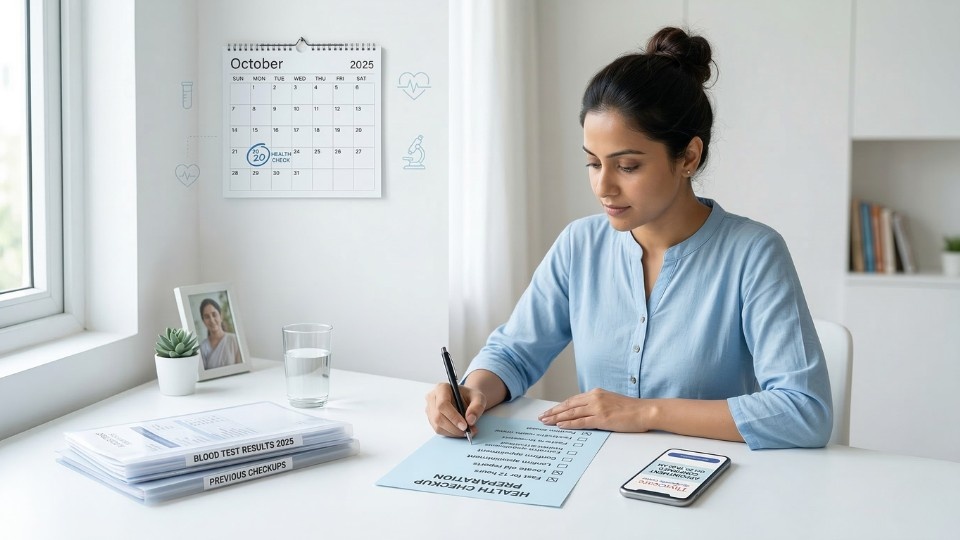
Preparing for Your Annual Wellness Screening
1. Note the changes in your health since from your last visit.
2. Note down the important questions for your doctor.
3. Write down the symptoms of the changes in your health.
4. Create a list of prescriptions, vitamins, and supplements.
After the diagnostic process the doctor may:
- Share test results.
- Recommend follow-ups.
- Suggest lifestyle changes for improvement.
The relationship between patients and providers is also strengthening by the regular assessments which encourage trust and open communication. Noticeable symptoms are not produced easily in case of the development of the serious illness. Identifying conditions such as high blood pressure, diabetes, or nutritional deficiencies early helps prevent long-term damage. One of the major benefits of the regular health assessments is the preventive care which focuses on the reduction of the risk factors and this awareness helps to prepare the proactive plan and changes in the lifestyle of the individuals. Recommendations related to diet, physical activity, stress management, and preventive screenings is usually guided by the Health assessment of the patient and it helps to maintain the stability. This in turn helps to detect whether the treatment plan is working actively or not or any changes needed. Therapies, medications and lifestyle recommendations are modified accordingly by the health care providers.
Tailored care is essential because no two people share the same health profile and thus assessments helps to make the personalised care plans and modified strategies. Plans that align with the individual goals are developed and understood with the help of the personal risk factors, genetics, and lifestyle habits and thus the customised plans increase the adherence and effectiveness. This individualized approach supports sustainable wellness and helps people feel actively involved in their healthcare journey.
Following points are mainly discussed and noticed in the Annual wellness screening health check list:
1. Medical History Update
2. Blood Tests
3. Vital Signs Check
4. BMI Assessment
5. Weight Assessment
6. Status of the vaccination
7. Physical Examination
8. Vision and Hearing Tests
9. Mental Health Assessment
10. Cancer Screenings
11. Review of the chronic conditions
12. Nutrition counselling
13. Fitness advice
14. Lifestyle habits
15. Testing of the bone density
16. Reproductive health
17. Review of the medication
18. Sleeping habits
19. Discussions on the Advance Directives
20. Dental and oral health screening
21. Skin cancer screening
Changes such as blood pressure, cholesterol or the changes in the weight are the tracking indicators which are noticed easily that may otherwise go unnoticed. The overall quality of life is enhanced by the regular health assessment and the physical, mental and emotional balance is also achieved through the routine assessments. Better lifestyle choices are made by the people who better understand their health. Health assessments also address mental and emotional well-being, which are vital components of overall health. In order to understand that mental wellness receives attention alongside physical health regular assessments are important; this in turn helps to balance and holistic approach to long-term well-being.
What to Bring to Your Appointment
· Information of the insurance.
· The details of the medication you are currently taking.
· Surgical and medical history.
· Results from prior tests or labs.
· Details of the symptoms.
· Any questions if any you want to ask.
Common Tests and Screenings involved in the annual check-up plan:
- Medical history and current medications review.
- Discussing recent symptoms.
- Recording your height, weight, and body mass index (BMI)
- Blood pressure measurement.
- Heart rate and measurement of the breathing rate.
- To check for any potential health problems, physical examination is done.
Key Lifestyle Changes for Better Health
· Changes in the diet and nutrition.
· Exercise and physical activity.
· Stress Management.
· Monitoring sleep cycle.
· Mental health assessment.
Why Long-Term Health Planning is needed ?
Gradually over the years the health conditions such as heart disease, diabetes, kidney disease, and hormonal imbalances develop which leads to various serious health issues in the body of the individual.
Long-term health planning focuses on:
- Future healthcare costs are reduced.
- Maintains energy and productivity.
- Identification of early risk.
- Preventing diseases.
- Improving quality of life.
Regular wellness testing helps:
- Early detection of the metabolic imbalances.
- Over time monitor the blood sugar trends.
- Reveal nutritional deficiencies.
- Track changes in organ function.
- Identification of the inflammation linked to chronic diseases.
Wellness testing helps reduce chronic disease risk by:
- Markers linked to the heart disease are monitored by the wellness testing.
- Early warning signs of diabetes are identified by this testing method.
- Identification of the insulin resistance.
- Vascular damage detection and identification of the inflammation.
- Treatment interventions.
- Supporting early lifestyle.
Wellness testing is strongly recommended for:
- For adults of age 30 or above.
- Individuals with a family history of chronic diseases.
- High-stress lifestyles.
- People with sedentary habits or weight concerns.
- Individuals managing blood pressure.
- Anyone focused on preventive, long-term health planning.
Thus we conclude that we have to balance the physical, emotional, social, and spiritual aspects of our lives in order to achieve the wellness in our life. Thus for optimal health and wellness all these factors should come together. Thus wellness is achieved through effective planning and long-term strategy to adapt the changes related to life, aging, and evolving health goals. Thus these wellness programs should be included essentially in our semi-annual or annual check-up plans. Adding such screening plans will help to:
- To reduce the risk of the chronic diseases.
- Optimal energy and performance is maintained.
- Make informed decisions.
- Stay ahead of potential health issues