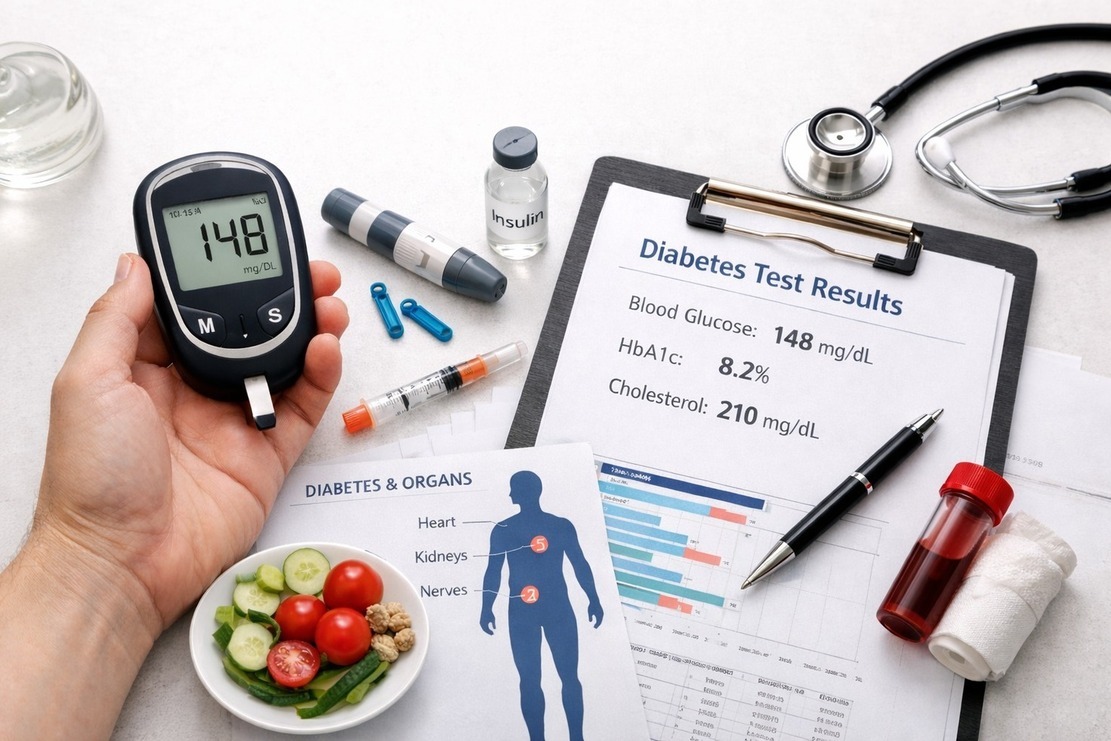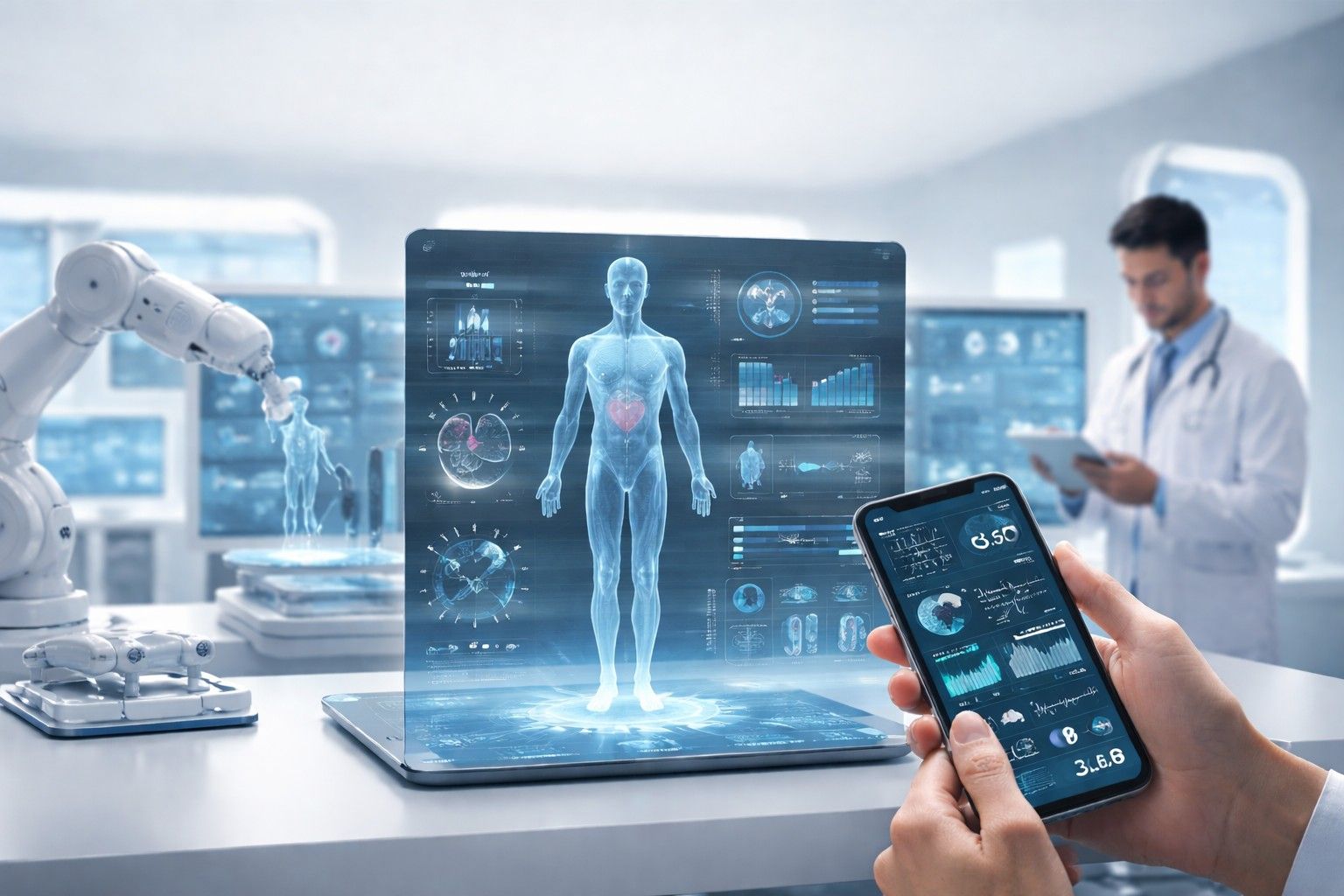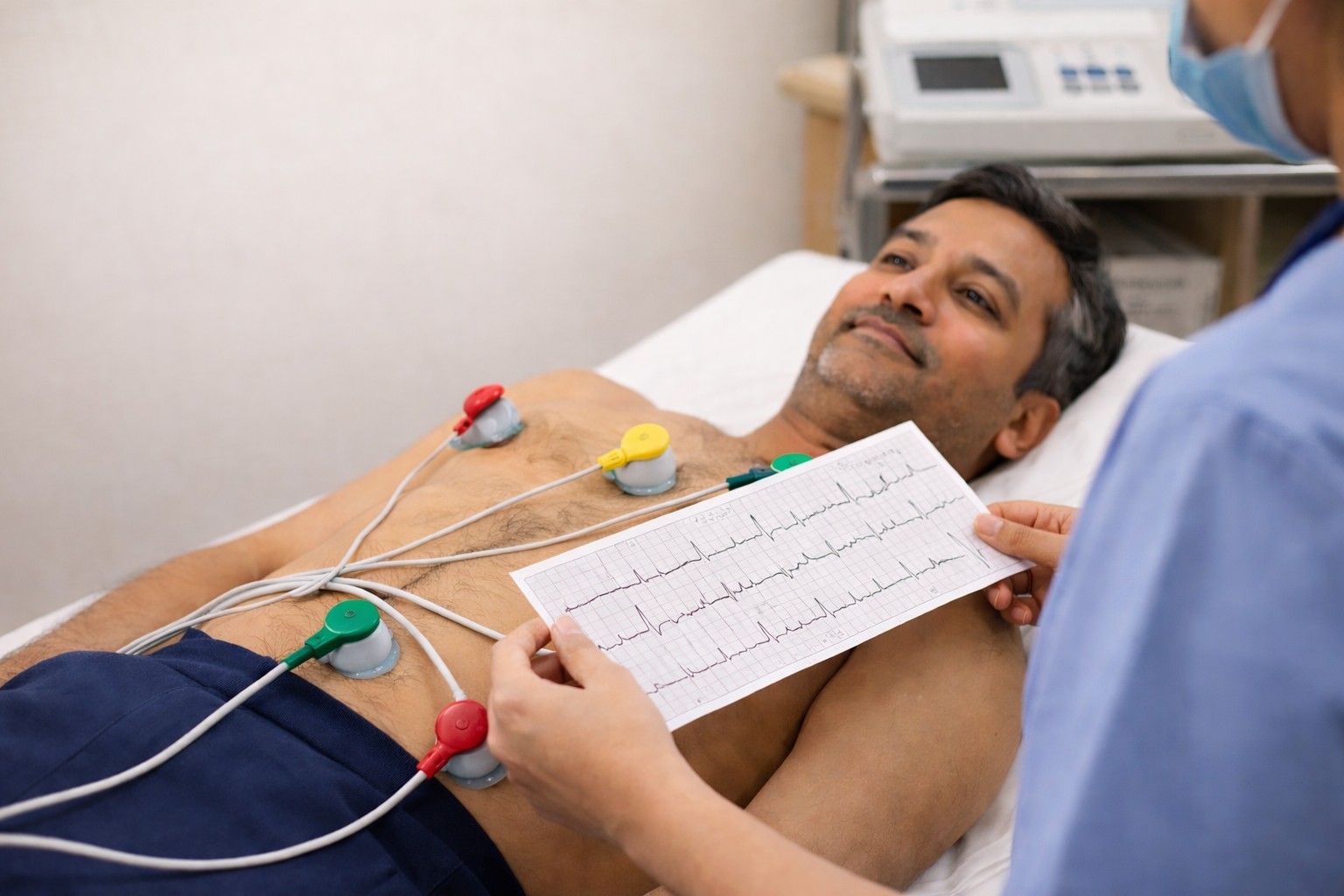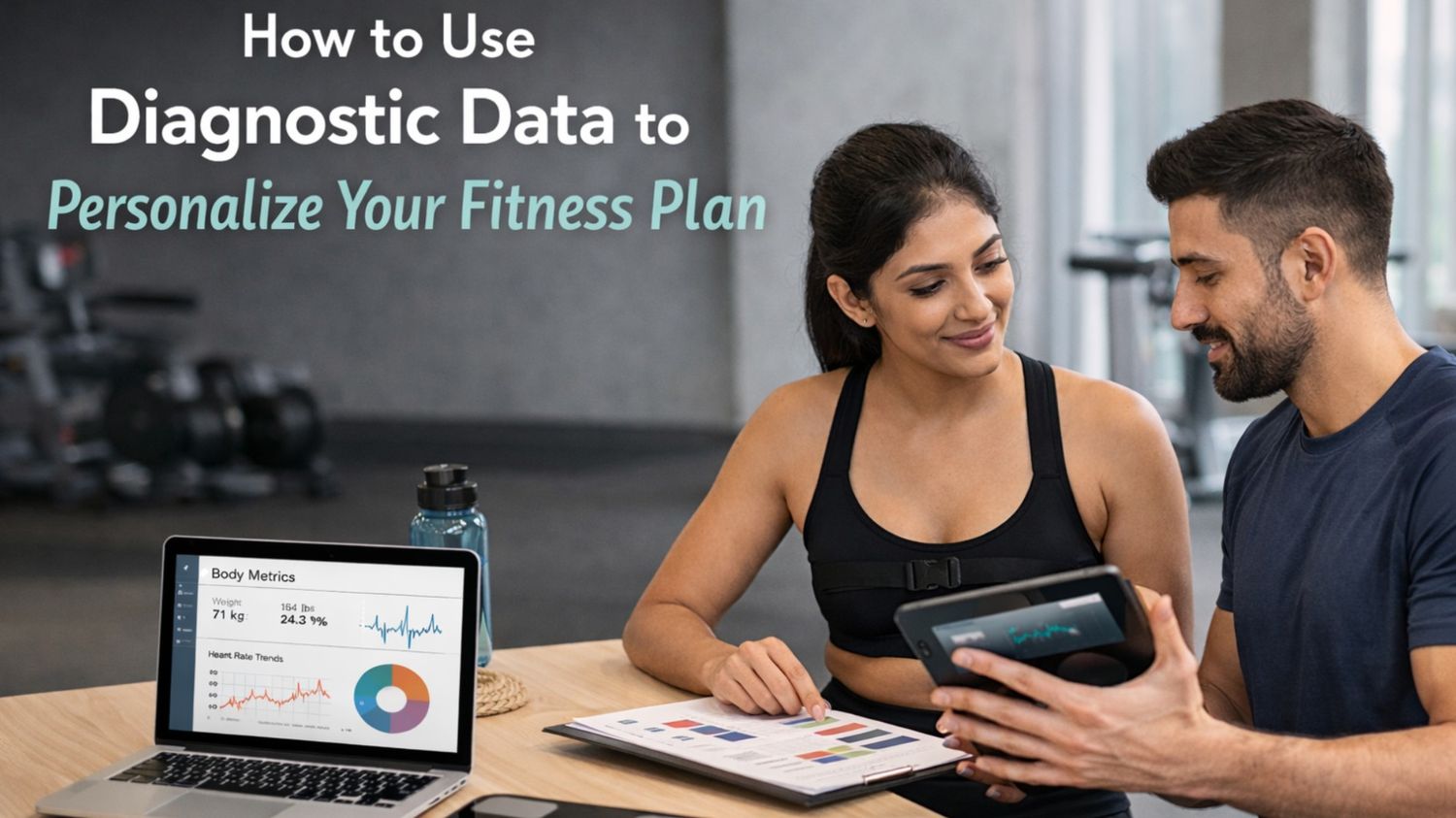
One of the most effective ways to achieve the better health, improve the performance and minimise the risk of the injuries is using the personalized fitness plan and this can be easily achieved by using the diagnostic tools. The use of the diagnostic tools allows you to customise your fitness plan and plan strategically according to your body’s needs and requirement. This approach uses science and technology and self-awareness in order to create a smarter and more efficient way towards achieving your goals. Thus to achieve your dream fitness it is very important to understand the diagnostic data and its purpose. Diagnostic data refers to the information about your body and health status which is measurable in nature. The data can be sourced from various resources such as wearable devices, medical tests, fitness assessments and lab reports for various tests under consideration. The common tests under this includes the blood tests such as glucose, vitamin and cholesterol levels, heart rate, body composition which combine includes the fat percentage and muscle mass, VO2 max which is particularly the measure of the aerobic fitness and the movement patterns. Thus this data helps to find the insights of your body that how it functions, what it is deficient in and what is the response of the body towards the physical activity. Thus there is no guessing game here using this data the individual can easily rely on the evidence through this data and take into consideration what is to be done in the terms of the fitness decisions. The irony is while planning for the fitness most of the individuals end up on following the plans which are designed for other individuals not for them but the fact is every individual differs in its life style, skin, metabolism and the skin.
The traditional shift from Guesswork to present day Data-Driven Wellness
The traditional method of examining and suggesting goes like eat less, drink more, move more and drink at least eight glasses of water, get eight hours of sleep essentially and all these traditional sayings were from the study of the large group of the people and the surveys are usually conducted on the particular sample size in order to get the recommendations for the average person. But the fact is every individual is different and not just average.
Limitations of the Traditional wellness programs:
- Generic exercise routines.
- Metabolism is not accounted for.
- No food preference is considered.
- Supplement recommendations.
- Fitness level and body type ignored.
- Important changes in the body composition missing.
- Reluctance to the change.
- No real time adjustments.
With the advent of the technology the wellness strategy has completely changed the overall prospect and now the people have become tiered of the programs and there is big no from there end what does not works well for them. The modern technology uses biomarkers, body composition and real time progress in order to prepare the personalised plan and exactly know what is happening inside your body. Thus everything is based on the data nothing is based on the assumptions. Biomarkers are the indicators of the normal biological processes, pathogenic processes to therapeutic interventions; these are used to interpret the biological tests results, these markers ranges from basic screening panels to advanced specialty tests.
Difference between Traditional and Data-driven wellness program
Aspect:-
- Plan of the treatment
- Tracking of the Progress
- Assessment factors
- Changes
Traditional wellness
- Standard protocols
- Monthly
- Basic factors are considered
- Quarterly
Data- driven wellness
- As per the data available
- Real time analysis
- Biomarkers are used
- Continuously
Some of the new technologies based on the customisation plans:
- 3D Body scanning: The personalisation simply means your plan will automatically change with the change in your body. The data will exactly what is to be done and changes needed if any one program is not working well for the individual. This is the main reason now a day’s people are moving from the generic programs to the wellness programs customised as per the need of the individual. Now days the 3D body scanning technology is widely used which changes how the wellness progress is tracked now days.
Advantages of the 3D Scanning Technology
- Automatic measurement through the AI powered tracks
- Visual progress helps in the progress checking
- Precise and digital models create the more pronounced images.
- Adjustments are easily made through the data available.
- AI-Powered Skin Analysis: AI-powered skin analysis technology can catch the major problems of the skin such as sun damage, dehydration and the early signs of the aging and based on the determination of these symptoms the actual treatment plans as per the individual can be created and acted accordingly. Thus this technology helps to reveal the skin issues that are not visible to the naked eye.
Stepwise procedure to follow for the personalisation fitness plan:
Step 1: Assessment of your current health status.
Step 2: Identification of the fitness goals to achieve.
Step 3: The workout plan customisation.
Step 4: Using the wearable technology.
Step 5: The optimisation of the nutrition based on the real time data.
Step 6: Monitoring of the progress.
Step 7: Adjustments planning and implementation.
Step 8: Prevention of the injuries.
Step 9: Avoid the overtraining.
Step 10: Always work with the professionals.
Key Benefits of the AI driven apps
- Effective data collection
- Adjustments made in real time
- Settings of the goal
- Optimisation of the sleep level
- Monitoring of the stress level
Various sources and factors to consider for the Data collection:
- Through the various fitness trackers in order to monitor the progress and heart rate.
- Manual entries are also used in order to get the data.
- The previous health records from the different blood test reports in order to get the deep insights of your health status.
- Past workout routines and performance metrics.
- The current fitness levels and plans.
- Health restrictions if any.
- Recovery ability and time.
- Time commitment.
- Stress levels.
- Sleep quality.
- Consistency in completing the given exercise plan.
Benefits of Using Diagnostic Data
- Precision
- Efficiency
- Motivation
- Safety
- Long-term sustainability
Challenges of the Diagnostic data
- Costly
- Limited diagnostic tools
- Overloaded data can be confusing
- Over dependence on the numbers
- Ignoring the physical and mental consideration
Thus we can conclude that using the diagnostic data to personalize the fitness plan is the most smart and scientific approach for the wellness and health status. Thus in order to create the fitness routine that is both sustainable and effective is by understanding your body’s different and unique needs and setting the clear goals in order to continuously monitor the progress of the of the body’s health status. Thus the need of the hour is to stay motivated, train smarter and achieve better results with continuous working on the body and achieving the goals in small parts and pieces.