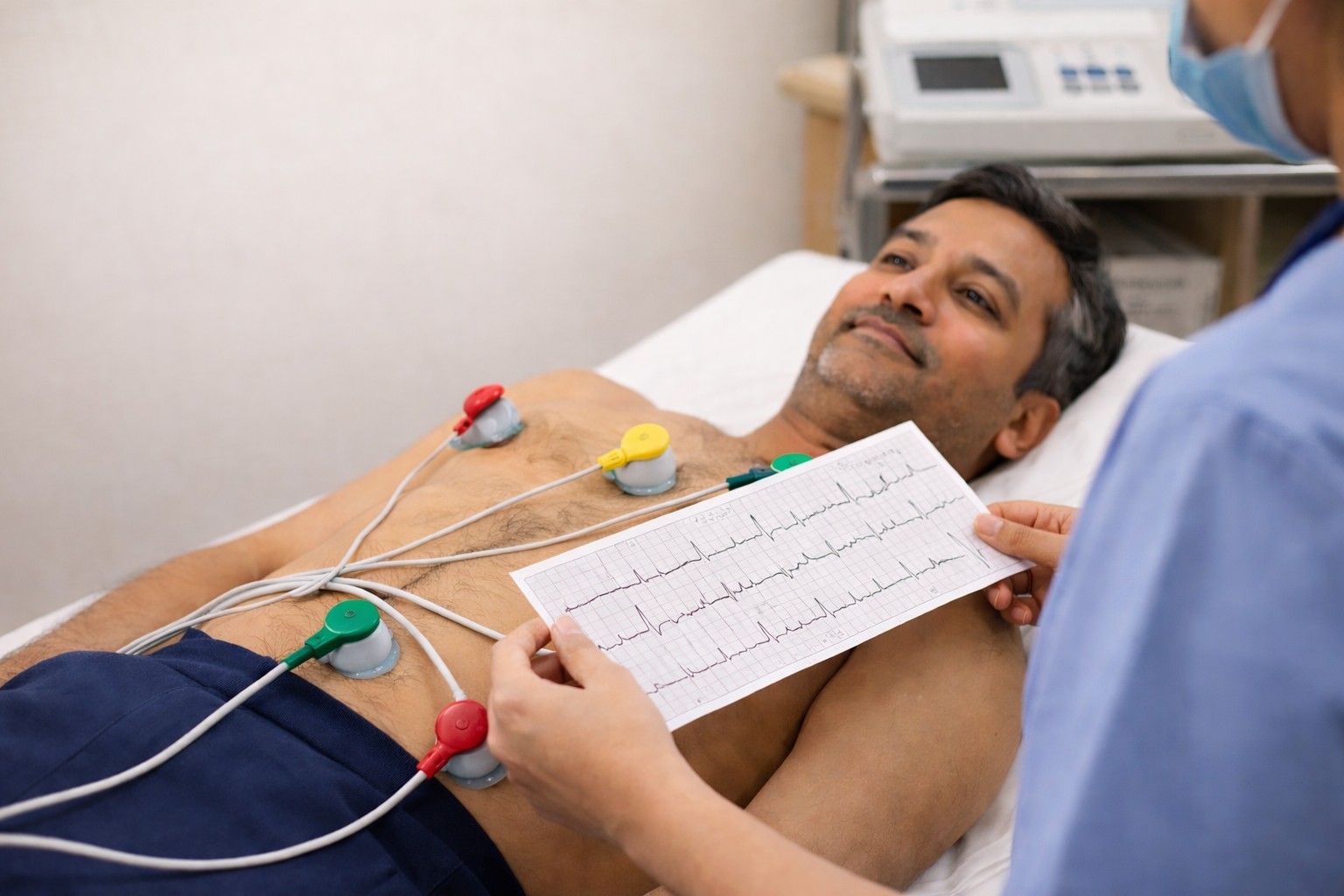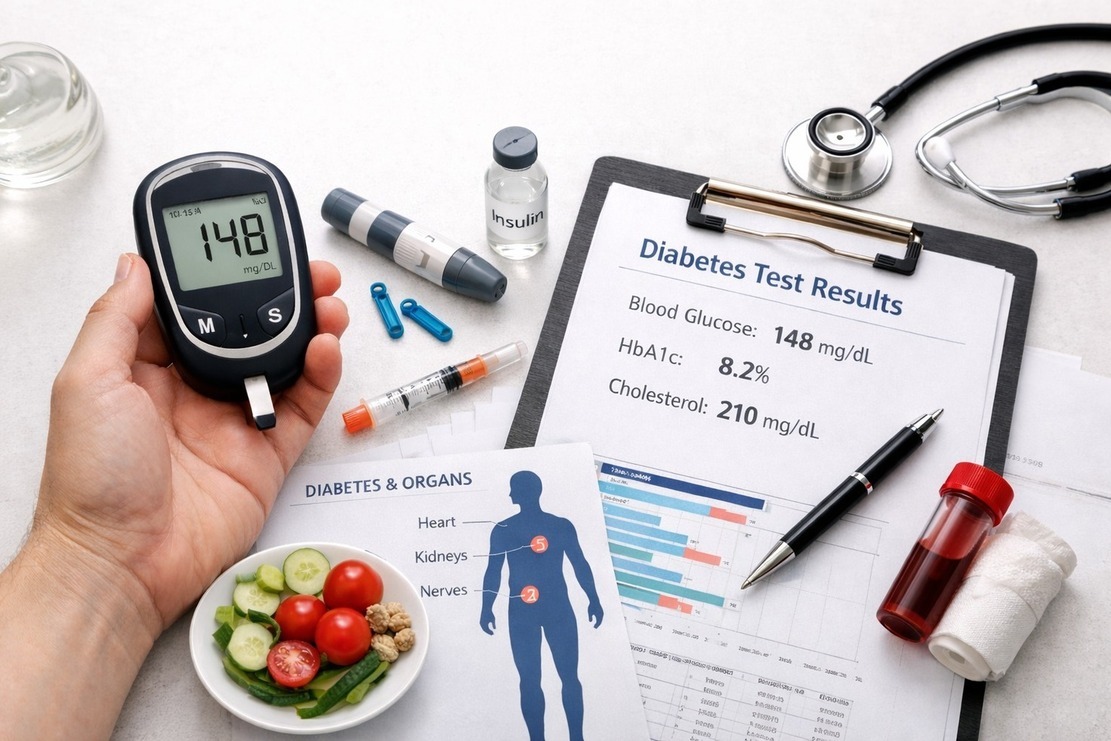
Through the blood tests such as AIC the Diabetes is diagnosed and along with this oral glucose tolerance, random glucose, fasting plasma glucose and, in some cases ketone testing or autoantibody test is used. Majority of the individuals suffer from Type 2 diabetes and the diagnosis of the same is taken accordingly by the individuals. Hospitalisation is required in case of Type 1 diabetes because the symptoms are not visible easily and the onset of the disease is often gradual and becomes severe. If left untreated diabetes can cause many health problems. Thus for routine wellness screenings warning signs and to see a health care professional regularly is essential. There are two types of the diabetes namely Type 1 diabetes and Type 2 diabetes and the Type 1 diabetes is diagnosed mostly in children and young adults with the common symptoms such as excessive feeling of thirst and urge to urinate more etc the symptoms of this type of diabetes is less specific in adults and may run in families for generation even when the symptoms in the families is not seen. For the type 2 diabetes the routine testing is recommended by the doctors and it is especially for the people above age of 35 or older and those who are overweight or have the obesity. People always have the prediabetes before they develop the type 2 diabetes in which the level of the blood glucose is always higher than the normal sugar levels in the blood but the symptoms are not visible easily and thus are often overlooked. Prediabetes is also known as impaired glucose tolerance (IGT) or impaired fasting glucose (IFG) and is determined by the type of the test through which the diabetes is detected. Thus the risk of developing the cardiovascular disease and type-2 diabetes is increased due to this. Blood based tests are used for the diagnosis of the diabetes and measure the level of the blood sugar over a period of time in response to the intake of the glucose. For preventing complications and managing blood sugar effectively, the early detect ion through these tests is crucial and important as well. For people at higher risk such as adults, children, and pregnant women regular screening is recommended and is essential.
Symptoms of the Diabetes
Prediabetes has no symptoms and usually the individuals with diabetes have no such symptoms and in some cases mild symptoms can be there but they usually go unnoticed for a very long time but the fact is some people experience the warning signs of the diabetes as well and the symptoms for the same are given below:
- Feeling thirsty regularly
- Weight loss
- Excessive increase in appetite
- Blurriness in the vision
- Excessive urination
- Tiredness
- Drying of the skin
- Numbness
- Tingling of the hands or feet
- Slow healing of the wound
- Frequent infections
With the increase in the blood sugar level the following symptoms add on along with the above symptoms:
- Vomiting
- Disorientation
- Confusion
- Abdominal pain
- Nausea
- During breathing fruity odour
- Drowsiness
- Coma
- Seizures
Who should be tested for prediabetes and diabetes?
Following people should be tested for the diabetes and prediabetes tests:
- Age over and above 45
- Are obese or over weight
- With the history of the gestational diabetes
- Having the family history of Diabetes
- With the sedentary lifestyle
- HIV
- Having the polycystic Ovary syndrome
- High Blood pressure
- High cholesterol
Tests for Diabetes
- AIC Test: The average blood glucose level is measured by this test for the past two to three months the main benefit of the same is that we do not have to fast or drink anything during the test.
- Fasting Plasma Glucose (FPG): The fasting glucose level is measured in this test and usually nothing is taken 8 hours before the test and the test is usually carried out before the breakfast in the morning.
- Oral Glucose Tolerance Test (OGTT): In this test the blood glucose levels before and two hours after you drink a special sweet drink is measured and is also called the two-hour test and gives an idea to your healthcare expert how your body is processing the sugar.
- Random (also called Casual) Plasma Glucose Test: When the individual has the severe symptoms of the diabetes this blood test is carried out during any time of the day and the diagnosis is carried out at the blood glucose level of 200mg/dl or above.
- Gestational diabetes: Usually the pregnant women are tested for this diabetes and the test is carried out between 24 and 28 weeks of pregnancy. Usually within 12 weeks after delivery the test for the diabetes is carried out for the mother if she had the gestational diabetes in order to check whether the mother is suffering from type2 diabetes or not.
Thus the status about our health is determined through the routine Diagnostic tests. Most of us usually associate routine check-ups only with the illness. In order to understand how our body is functioning over the period of time diagnostic tests aids in that understanding in a great way. Knowing how often to get tested helps build clarity and avoids last-minute reactions. Apart from the routine check-ups the right interpretation of the results of these routine tests requires the knowledge of the laboratory ranges, biological variation, patterns indicating specific conditions, and the critical distinction between "normal" and "optimal" values. Blood sugar, cholesterol, hormone levels, vitamin status, and organ function don’t usually shift overnight. Regular testing helps to track trends rather than relying on how one feels on a given day. This is especially important because many imbalances develop silently and our immediate attention is required.