There is a paradigm shift in the diagnostic industry because of the advancements in the technology, increasing demand for accurate and rapid diagnostic solutions and evolving regulatory framework. The diagnostic industry is seeing the remarkable innovations with the technologies such as AI-Driven analytics, point of care testing (POCT), wearable devices, telemedicine and genomics and along with these advantages there are many challenges to these technologies as well and each of these have its own pros and cons. The future of health diagnostics promises to be faster, more accurate, personalized, and accessible than ever before.
Following are some of the main technologies which are shaping the future of Health Diagnostics:
Nanotechnology and Biosensors
With the advancements in the technology the nanotechnology and biosensors are widely used in the diagnostic analysis and the biomarkers minute quantity is used by the devices which are nanoscale in nature and are largely associated with diseases and thus helps in the early detection of the diseases. The continuous physiological changes in the body are monitored by the devices in which the biosensors are integrated with the wearable devices and the devices which provide the instant feedback as well. Thus these devices transform the strategy of diagnosis from reactive to proactive.
Genomics and Personalized medicine
Another area where the technological advancement is making a profound impact is the genomics and personalized medicine with the advances in the DNA sequencing it has made the technology very fast and accurate and even the analysis cost is affordable in order to analyse the genetic makeup of the individual. A person’s risk for certain diseases, such as cancer, diabetes, or heart conditions can be very easily identified with the information provided by the genetic makeup of the individual.
Artificial Intelligence (AI) AI & Machine Leaning technologies
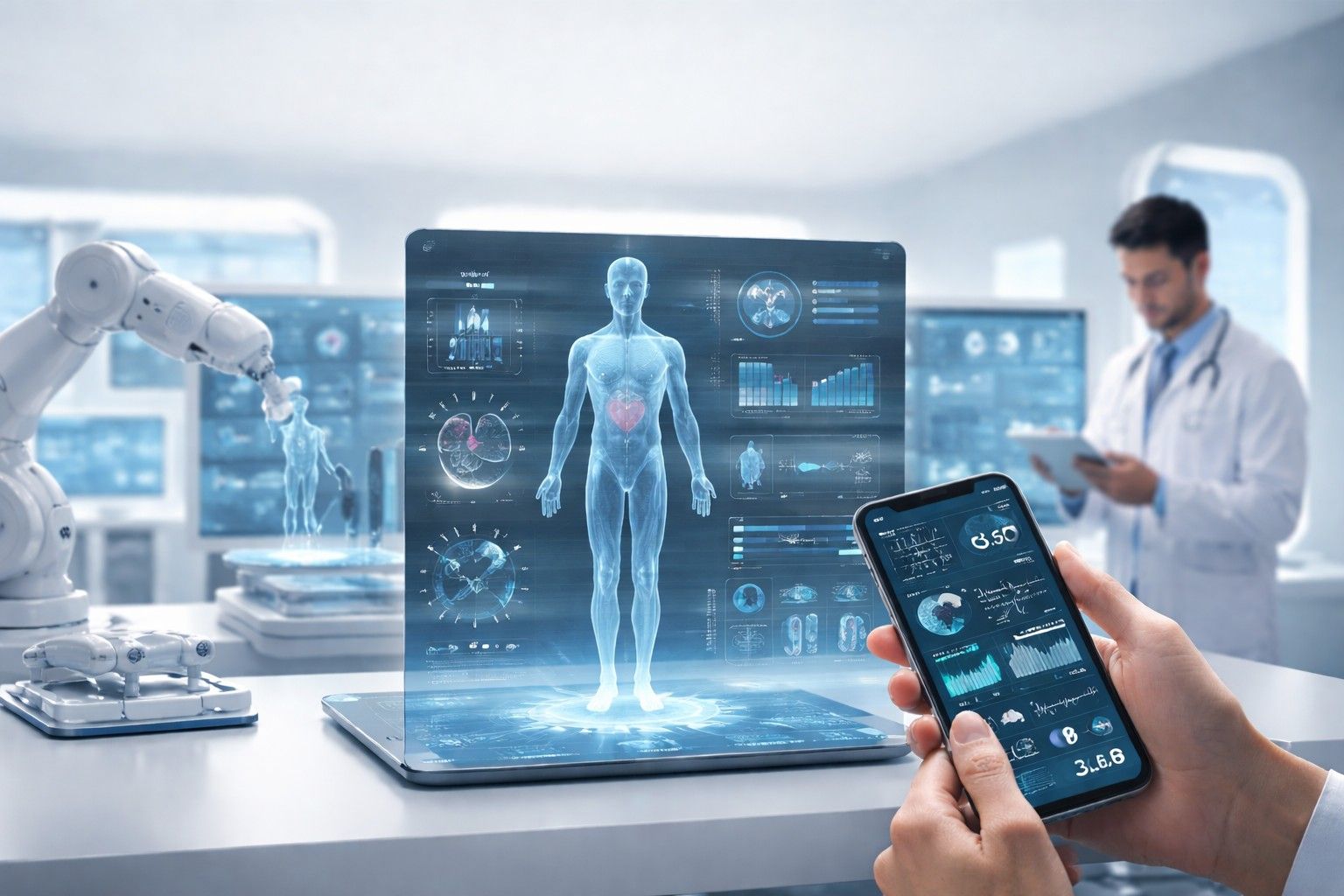
AI systems can analyse medical images with precision, accuracy and speed, they make it effective by the machine learning algorithms. The early detection is very crucial in the healthcare domain because it paved the way for improving treatment outcomes and save the lives. The development of the personalized medicine has been due to the integration of the AI and machine learning in the field of Medical science. In order to detect the diseases like cancer, heart conditions and tuberculosis, the AI powered tools are widely used and are highly rated for its accuracy in analysing the images from the scans such as X-rays, CT Scans and MRIs. Thus it is not incorrect to say that in near future AI will be assisting the doctors permanently and with its integration the patients outcomes and decision making will enhance.
Telemedicine and Digital Diagnosis
The role of the telemedicine has changed drastically because of the advancements in the technology of networks and interfaces. Telemedicine is now accepted as an established part of everyday healthcare practice such as in the cardiology, dermatology, oncology, and pre- and postoperative surgical care. It is also widely used in medical training and education and it also helps in connecting the parties over long distances. Devices such as portable ultrasound machines have helped in the diagnosis even at the comfort of your home and thus the routine hassle of visiting the hospitals is avoided. Several modes are used in the telemedicine through which the care of the patient is taken such as text messages, video conferencing, phones to various websites, apps, gaming programs, robots, and virtual reality and this in turn ensures that effective healthcare access to every individual. With the increasing demand, telehealth reimbursement policies became insufficient quickly.
Point-of –Care Testing (POCT)
Point-of-Care Testing (POCT) is changing how diagnostic tests are conducted and how quickly important medical decisions are made. POCT has emerged as an important innovation and is specifically important for a county like India balancing vast geography and these labs improves the treatment and accelerates the reliable testing. POCT refers to diagnostic testing performed at or near the patient care site rather than in a centralized laboratory. In minutes the results can be obtained by the health care experts by using the easy-to-operate equipments and helps to detect the infections, monitoring biochemical parameters detecting, or performing rapid screening tests, and it also eliminates the logistic and time delays which are closely linked with the traditional labs testing. This POCT approach brings the direct analysis and dramatically reduces the time and result delivery. The need of the laboratory infrastructure is reduced due to the presence of the POCT technology and in turn it reduces the time required for the decisions based on the clinical analysis.
Big data and cloud computing
Everyday enormous amount of data is generated by the healthcare systems and this technology of the cloud computing and big data helps a lot in the analysis of the health records, imaging and the genomic data. The valuable insights into the disease patterns, treatment outcomes and population heath trends is analysed by storing and analysis this cloud data and they help the health care providers drastically. Diagnostic accuracy, support research, can be improved by this data driven approach and thus helps in the more efficient healthcare delivery. However the concern of the data privacy and security is one of the challenges of this technology and thus it is very difficult for the patient to trust the process and at times the data storage issues may also arise.
Wearable health technology
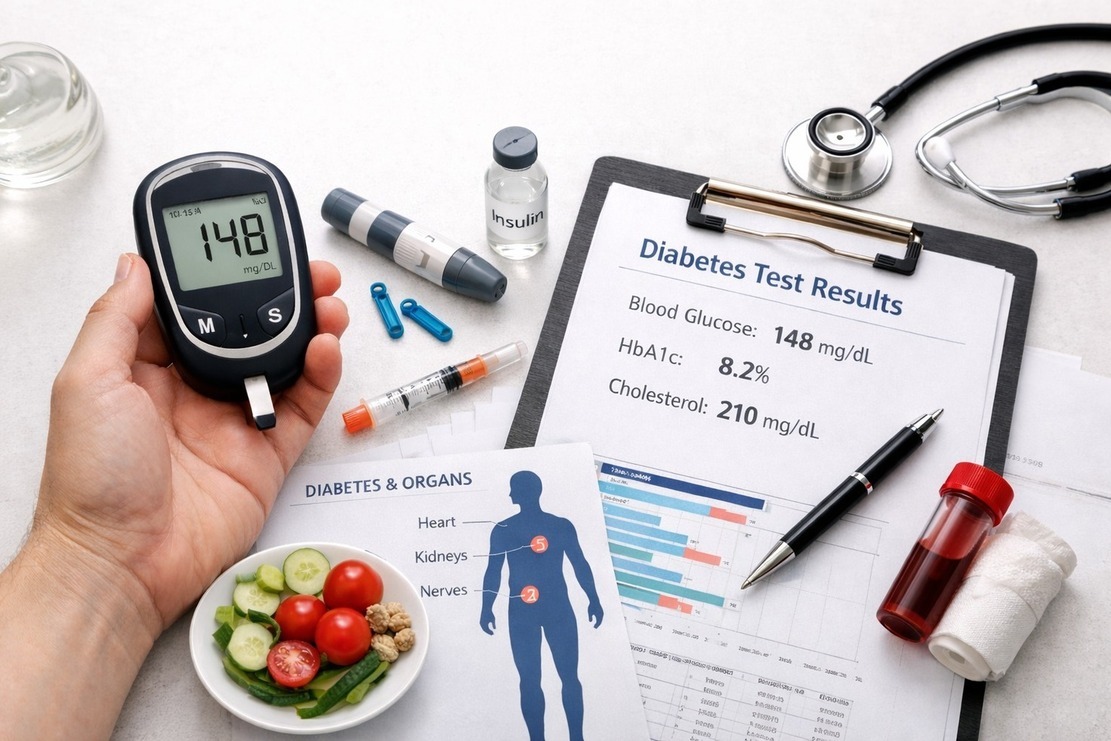
With the rise in the wearable technology the healthcare technology is undergoing a transformative development. These devices not only count the steps now they are capable enough to count the oxygen levels, sleep patterns, monitoring of the heart rate and even can detect the irregular heart rhythms as well. Some advanced wearables can alert users to potential health issues before symptoms appear so that early treatment can be taken easily. Tools of the wearable technology such as fitness trackers and smartwatches monitors the health metrics and deliver real-time data to patients and health care providers. They also monitor the important parameters such as sleep patterns, vital signs for improvement etc by monitoring the real-time data that helps to improve the treatment decisions and support symptom management. Fall detection and electrocardiogram monitoring is incorporated by the specific wearable devices.
Thus with the advancements in these technologies these technologies are completely changing future of the healthcare diagnostics and in future they will be more predictive, personalized and preventive in nature. Even before the arrival of the symptom the detection of the disease can be done and thus the treatment process can be initiated as soon as possible. Thus because of these technologies the patients will play very vital role in the treatment process and they will adopt the proactive approach as well in this which will be very well supported by the health data and real time analysis of the data over the period of time and diseases will be treated effectively as well. With the help of the digital health platforms the storing and reading of the diagnostic reports online has become easy and convenient. Now a day’s most of the hospitals and various diagnostic centres provide the reports for the patients through their mobile apps and official websites only.