The screening that helps doctors detect medical problems early, before a person has symptoms is known as Health screening. The changes in the normal functioning in the body depends on lot of factors such as age, gender, ethnicity, pregnancy status and even the time of the day and it also varies from person to person. Usually the blood test reports are interpreted by the trained laboratory expert or the doctors to the patients. Apart from this the hormonal variations of males is completely different than that of the females. Understanding of the values of these results at the individual level is essentially needed. Depending on the age of the individual the type of the screening depends. For example : In older adults the screening is meant for detecting specific conditions while in the babies it is meant for measuring their growth and development. The routine set of tests and checks is known as health screening. Some common problems which do not show regular symptoms but develop over a period of time in our body are diabetes, cancers and other common diseases such as high blood pressure.
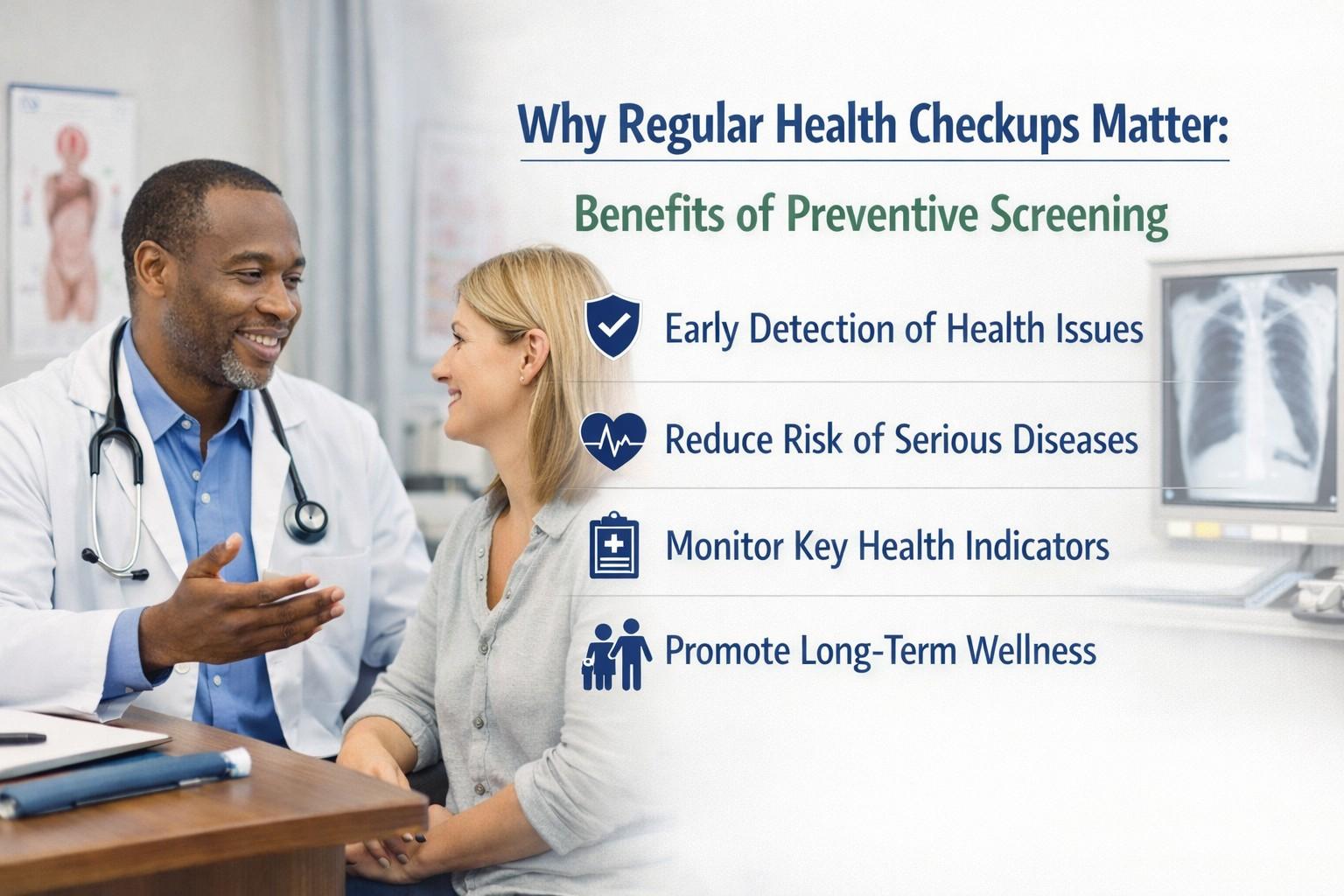
Why regular health screening is important?
It is important to understand why regular health screening is important:
- The early signs of diseases can be determined.
- To diagnose infections and hormonal disorders.
- For the patients with chronic disease regular testing is essential to track progress and to adjust treatment plans.
- To compare future results and to identify changes over time.
- Regular screening helps to reveal what needs to be changed in your lifestyle to meet the healthy life standards.
- To reduce the anxiety and avoid lifestyle changes.
- It helps to take the control of your health.
- It helps in the timely treatment.
The health risks are not same at each stage of life and these age-specific health screenings helps in this and this approach helps to identify the early symptoms and facilitates prompt treatment in the long run.
Signs and symptoms in the body that demand the routine screening are:
- Unexpected weakness
- Unexpected change in the weight.
- Reoccurring infections.
- Pain or discomfort.
- Digestion issues.
- Abnormal bruising.
- Bleeding.
Factors affecting the selection of the right screening test are as follows:
- Age
- Gender
- Lifestyle
- Family history
- Budget
- Insurance
- Lifestyle factors of the individual
Diagnostic Tests for the age group between 20-30 years:
- Body Mass Index (BMI): It is the measure of body fat based on height and weight of the individual.
- Complete Blood Count (CBC): The Complete Blood Count (CBC) measures blood cell types and characteristics. Understanding CBC components enables recognition of anaemia, infection, immune disorders, and blood cancers.
- Blood pressure Monitoring: Regular monitoring helps prevent stroke, heart attack, and kidney issues.
- Thyroid Function Tests: Thyroid hormones regulate metabolism, energy, temperature, heart rate, cognitive function, and virtually every physiological process. Proper thyroid function testing and interpretation are essential for identifying dysfunction early.
Diagnostic Tests for the age group between 30-40 years:
- Lipid Profile: It checks cholesterol levels, including LDL (bad cholesterol), HDL (good cholesterol), and triglycerides which is essential for heart disease prevention.
- ECG (Electrocardiogram): Measures the heart’s electrical activity.
- Vitamin D & B12 Levels: Fatigue, muscle weakness, mood issues, and cognitive decline are the common symptoms of the deficiencies of these two vitamins and there monitoring is very important.
- Heart Screening Tests: Heart screening tests examine the risk factors for the issues such as heart attack, stroke and blood vessel disease.
Diagnostic Tests for the age group between 40-50 years:
- Complete Blood Count (CBC): The Complete Blood Count (CBC) measures blood cell types and characteristics. Understanding CBC components enables recognition of anaemia, infection, immune disorders, and blood cancers.
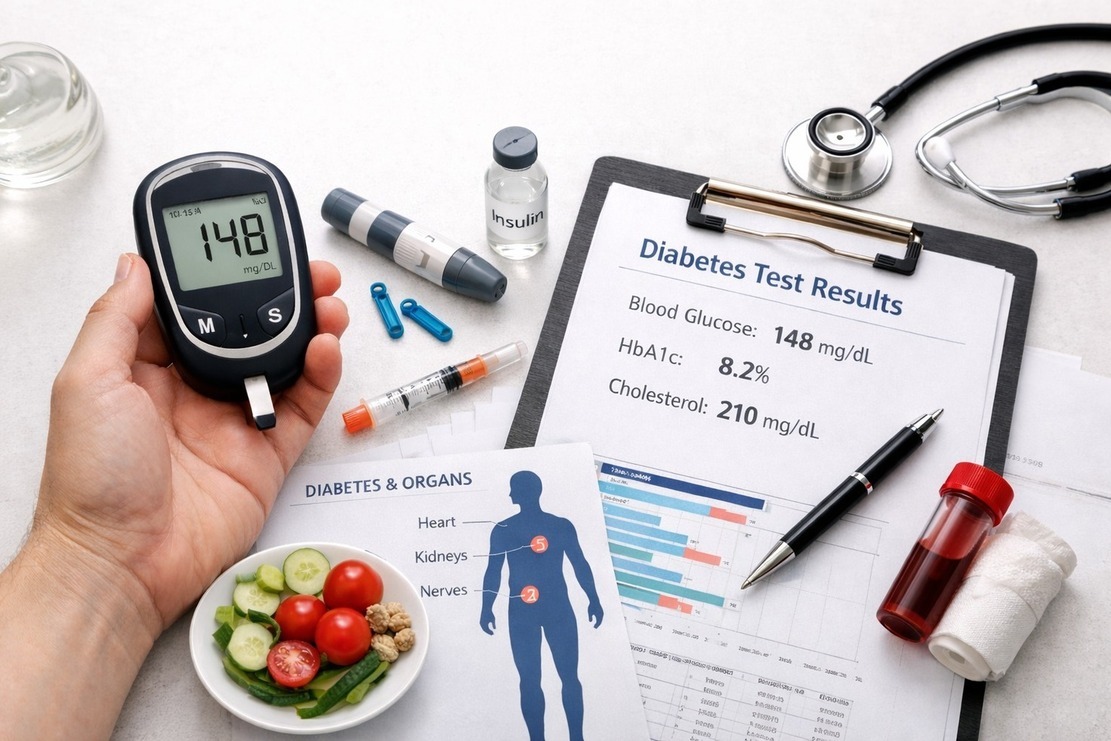
- Glucose: Fasting glucose measures blood sugar after 8-12 hours without food. Optimal fasting glucose is 75-85 mg/dL (4.2-4.7 mmol/L). Standard ranges define normal as 70-100 mg/dL, prediabetes as 100-125 mg/dL, and diabetes as ≥126 mg/dL.
- Electrolytes: Potassium, sodium, chloride, and bicarbonate ions maintain fluid balance and cellular function in our body and maintaining electrolyte balance in our body is very important for the proper functioning of the body.
- Thyroid Function Tests: Thyroid hormones regulate metabolism, energy, temperature, heart rate, cognitive function, and virtually every physiological process.
- Cholesterol & Lipid Profile Test: This test measures the total cholesterol, LDL (bad cholesterol), HDL (good cholesterol), and triglycerides the abnormal values of these tests are linked to heart disease and stroke.
Diagnostic Tests for the age group above 50 Years of age:
- Electrocardiogram (EKG): If you have the abnormal heart rhythm or heart rate this can be determined by the electrical activity of your heart.
- Echocardiogram: The problems with the structure and functioning of your heart are determined by the images obtained from your heart through the echocardiogram.
- Comprehensive Metabolic Panel (CMP): The Comprehensive Metabolic Panel (CMP) assesses kidney function, liver function, electrolytes, and glucose providing crucial information about metabolic health and organ function.
- Blood Glucose level: Monitors blood sugar levels and long-term glucose control which is important for diabetes screening and management.
- Cancer Screenings: Mammography, pap smears, and prostate-specific antigen (PSA) tests.
- Age and Gender Specific Considerations: For women Pap smears, mammograms, bone density tests and for men PSA tests, lipid profile, cardiac evaluation are usually recommended and included in the Annual health check-up plans.
- Urine Routine Examination: Detects infections or kidney problems.
- X-ray: For the evaluation of bones, lungs, and chest health.
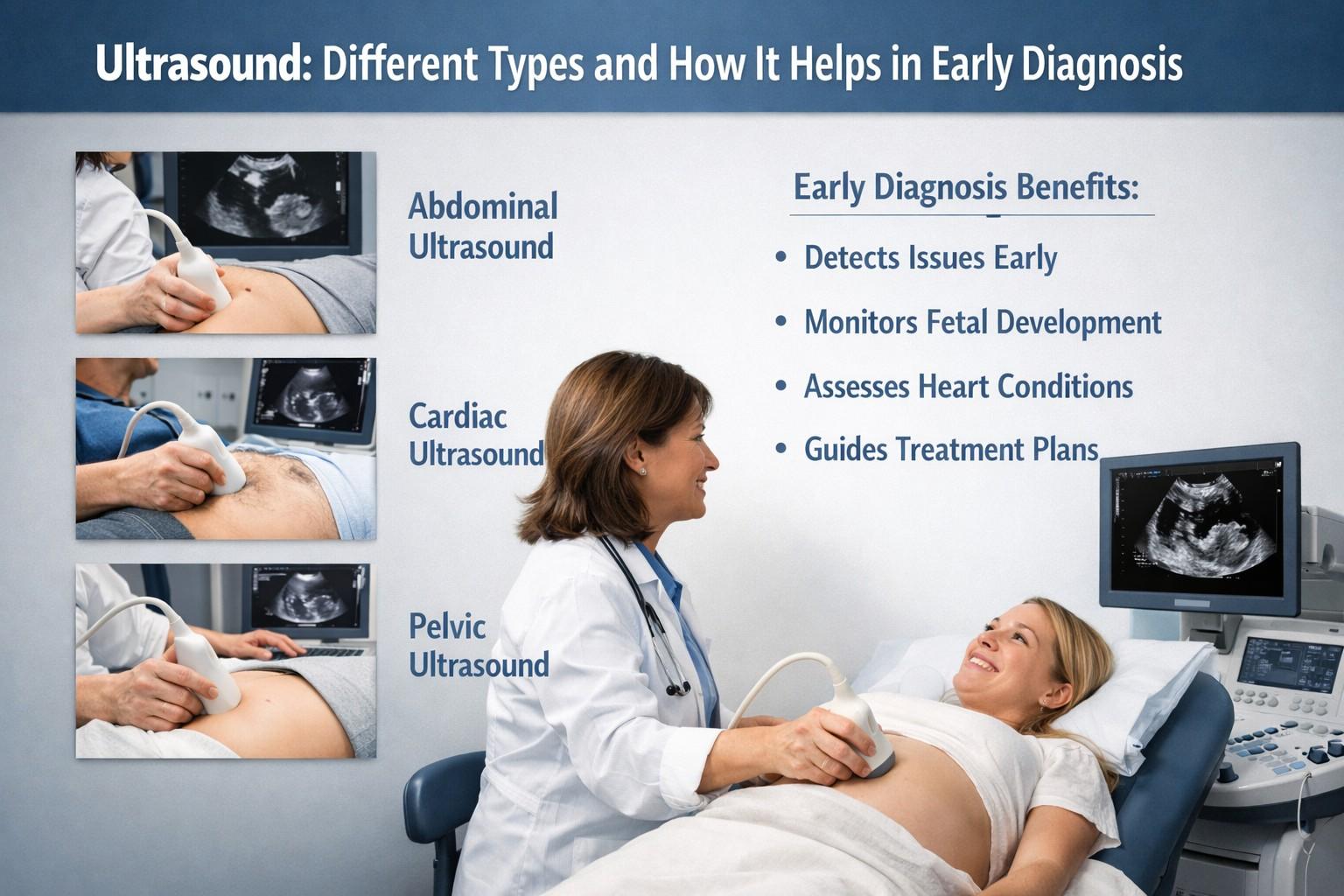
- Ultrasound (USG): A non-invasive scan for the abdomen, pelvis, and soft tissues.
5 essential medical diagnostic tests every woman should get are:
- Blood pressure check: High blood pressure is also called a silent killer because it often has no symptoms.
- Cholesterol test: This test checks the HDL and LDL and the clogging of the arteries is because of the too much bad cholesterol.
- Breast ultrasound and Mammograms: Breast cancer is common but highly treatable if caught early. Mammograms are X-rays of the breast and advised after age 40, even without symptoms.
- Bone density test: Women are more prone to osteoporosis, after the menopause which makes the bones brittle and increasing fracture risk.
- Vitamin D test: Low Vitamin D can lead to fatigue, bone pain, mood changes, and lowered immunity.
Thus we can conclude that health screenings are important and needed by the professional to identify the health issues early in treatment process. From different health screenings, people of different ages can benefit. Therefore, regular monitoring and early detection of the diseases is very important for the people in the age group of 40 and above and as it is rightly sighted and we have been hearing every time is “Prevention is better than cure”. In order to avoid the financial burdens, physical and emotional stress the proper management of the health is essential. The Health plans help to prepare oneself for the healthy lifestyle and preparing the healthy plan through the regular screening and tests aids in the prevention of the health risks these plans also take into consideration the factors such as family history, personal medical history of the individual. Health screenings help to address the Gender and age specific risks also.