Routine Diagnostic tests are important for determining the status of your health in order to keep the normal functioning of the body intact. In order to understand how our body is functioning over the period of time diagnostic tests aids in that understanding in a great way. The changes in the normal functioning in the body depends on lot of factors such as age, gender, ethnicity, pregnancy status and even the time of the day and it also varies from person to person. If nothing feels wrong testing is usually avoided but this is just not true for the normal functioning of our body. Most of us usually associate routine check-ups only with the illness. If we are not feeling unwell we feel we are all good and there is no need for the regular screenings which are the crucial component of healthcare and is often overlooked before the situation gets worsen. Not only the treatment of the illness is important but there prevention is even more important and routine health Checkups helps in this. In the early detection, enabling timely intervention and better management of potential health issues Regular health check-ups play a very crucial role. Many chronic diseases such as diabetes, hypertension and certain types of cancers develop silently without the arrival of the symptoms and they become severe with the passage of time. The healthcare cost is reduced by the early diagnosis of the diseases and it helps to enhance the quality of life.
Regular Health Checkups
Regular health Checkups is routine set of tests done to determine the health status of the individual. These check-ups include:
- Physical examination
- Blood and urine tests
- Imaging tests (like X-rays, ultrasound)
- Screening tests for specific diseases
Main purpose of the Routine Health check-up
- Reduces stress
- Promotes proactive approach
- Makes changes in the lifestyle
- Screenings can be tailored according to the individual.
- It helps in preventive care.
- Prevents the silent killers.
- Life span and quality of life increases.
- Mental health of the individual improves.
- These tests diagnose infections and hormonal disorders.
- Helps to track the progress of the heath condition of the individual.
- Helps to identify changes over time.
- Regular screening helps to reduce the anxiety and avoid lifestyle changes.
- It helps to take the control of your health.
- It ensures in the timely treatment.
With blood test at home, routine testing fits easily into daily life. With different test kits available online and the home services for testing the routine testing fits easily into daily life. Sample collection happens at home, and reports are shared digitally within 24 to 48 hours, making regular monitoring simple and convenient. The interpretation of the diagnostic tests results suggests the common health issues and the major distinction between the normal and optimal values and in turn determines the next steps and preventive measures to control the potential threats and determine the preventive measures to eliminate the root cause of the diseases prevailing in the body of an individual.
Common tests included in the Annual Health Check-ups are:
- Heart Screening Tests: Heart screening tests examine the risk factors for the issues such as heart attack, stroke and blood vessel disease.
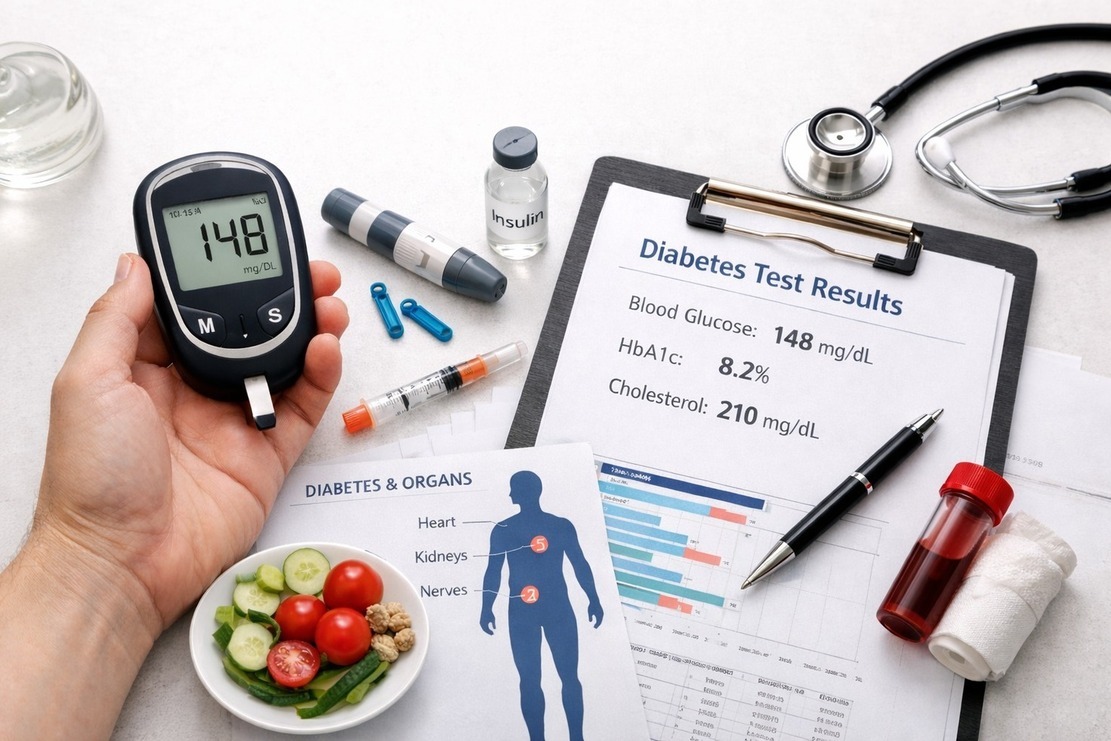
- Blood tests: For the risk to the heart disease the checking of the blood sugar levels and cholesterol is done to check these risks.
- Complete Blood Count (CBC): It Measures red and white blood cells, haemoglobin, and platelets which in turn helps to diagnose anaemia, infections, and immune system disorders.
- Comprehensive Metabolic Panel (CMP): The Comprehensive Metabolic Panel (CMP) assesses kidney function, liver function, electrolytes, and glucose providing crucial information about metabolic health and organ function.
- Lipid Profile: It checks cholesterol levels, including LDL (bad cholesterol), HDL (good cholesterol), and triglycerides which is essential for heart disease prevention.
- Blood Glucose level: Monitors blood sugar levels and long-term glucose control which is important for diabetes screening and management.
- Electrocardiogram (EKG): If you have the abnormal heart rhythm or heart rate this can be determined by the electrical activity of your heart.
- Blood pressure Monitoring: Regular monitoring helps prevent stroke, heart attack, and kidney issues.
- Urine Routine Examination: Detects infections or kidney problems.
- X-ray: For the evaluation of bones, lungs, and chest health.
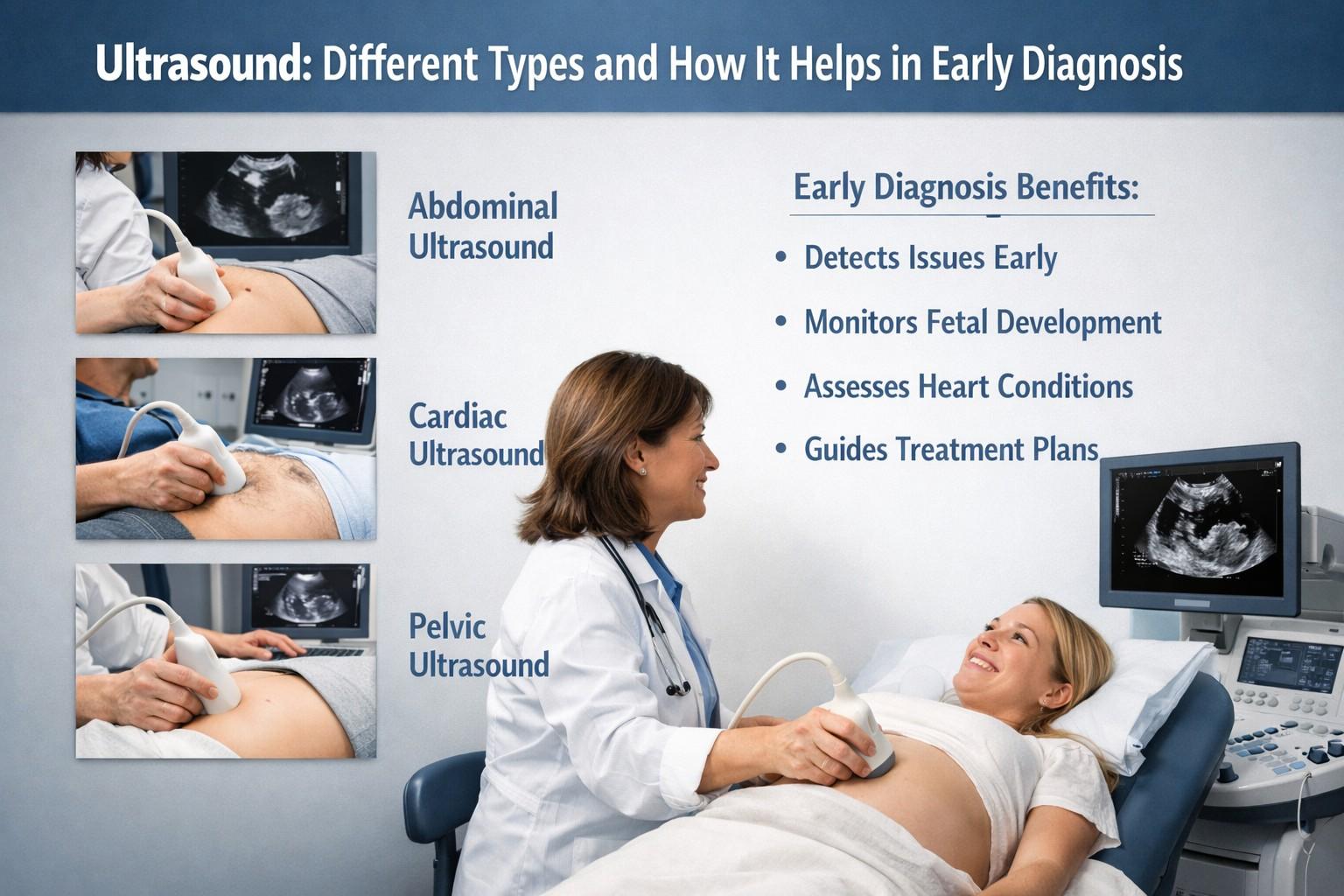
- Ultrasound (USG): A non-invasive scan for the abdomen, pelvis, and soft tissues.
- ECG (Electrocardiogram): Measures the heart’s electrical activity.
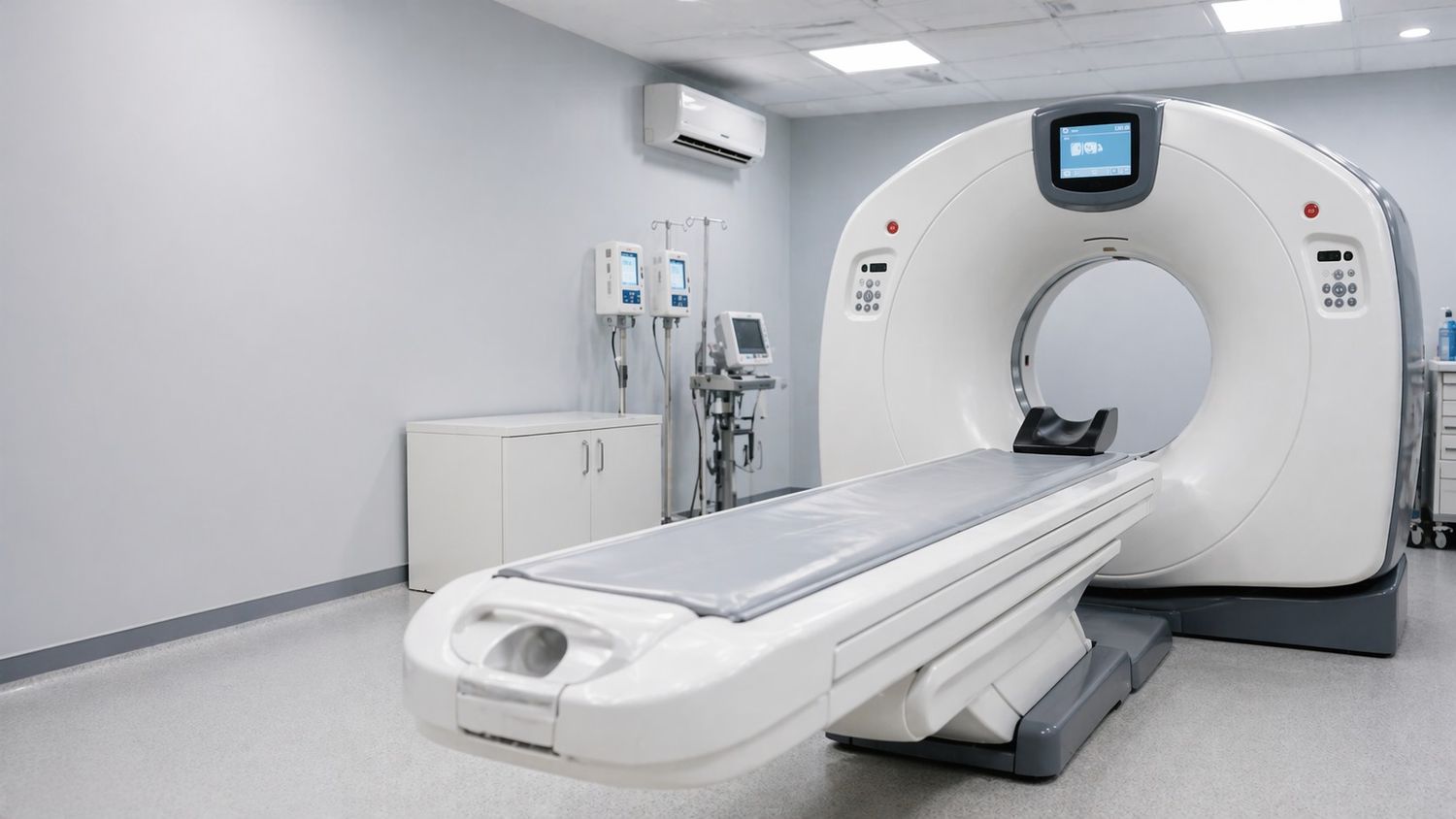
- CT scan (Computed Tomography): Provides detailed cross-sectional images of organs and bones.
- MRI (Magnetic Resonance Imaging) scan: It is widely used due to its detailed evaluation of the soft tissue injuries.
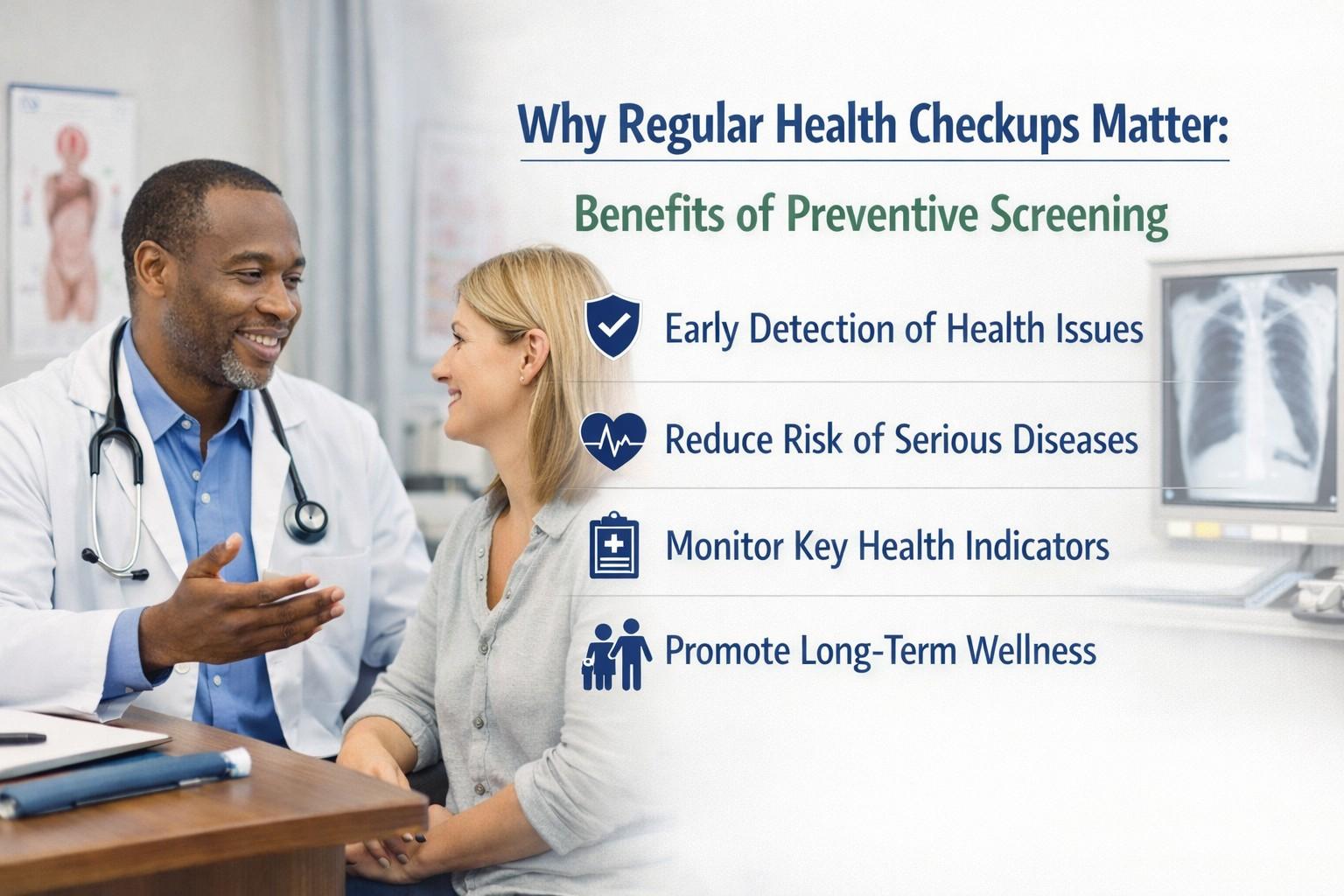
Benefits of Preventive Screening
- Early Detection of Diseases
- Overall health monitoring
- Reduction in the healthcare costs
- Life expectancy improves
- More awareness about the mental health
- Chronic diseases are handled more easily
- More personalized advice on the health of the individual can be given
- Building a Relationship with Your Doctor
- Encourages healthy habits
Who Should Get Regular Checkups?
Regular screening is especially important for the following individuals:
- People above 30–40 years of age
- For the individuals having a family history of diseases
- People with high-stress.
- Sedentary habits or life style.
- Individuals with fluctuations in blood pressure or blood sugar level.
Wellness testing is one of the most effective tools for proactive and preventive care. In order to understand how the body is functioning today and what risks may develop in the future this wellness testing provides the valuable insights. The group of blood tests designed to evaluate overall health, detect early imbalances, and identify potential disease risks before symptoms appear is known as Wellness Testing. Thus it takes body as a whole instead of taking one single condition under consideration.
Regular wellness testing helps:
- Metabolic imbalances early detection.
- Monitors the blood sugar trends over a period of time.
- Helps to detect the nutritional deficiencies.
- Track changes in organ function.
- Identification of the inflammation linked to chronic diseases.
- Inflammatory stress.
The Role of Lifestyle Modifications in Maintaining Good Health
Lifestyle changes significantly impact overall health. Some key modifications include:
- Eating a balanced diet rich in fruits and vegetables.
- Engaging in physical activities regularly.
- Ensuring 8 hours of quality sleep.
- Managing the stress.
- Encouraging meditation and Yoga.
Challenges in Preventive Screening
Regular check-ups are avoided by many people due to following reasons:
- Lack of awareness
- Fear of diagnosis
- Cost concerns
- Busy lifestyle
For a healthy lifestyle the regular health check-ups and preventive screenings are essential components. Thus with the help of the routine health check-ups people can lead healthier, happier and more productive live. Preventive healthcare through regular check-ups and lifestyle modifications is the key to long-term well-being. The preventive screening helps the individual to reduce stress, detection of the diseases early and reduces the risk and maintains the overall well-being of the individual.