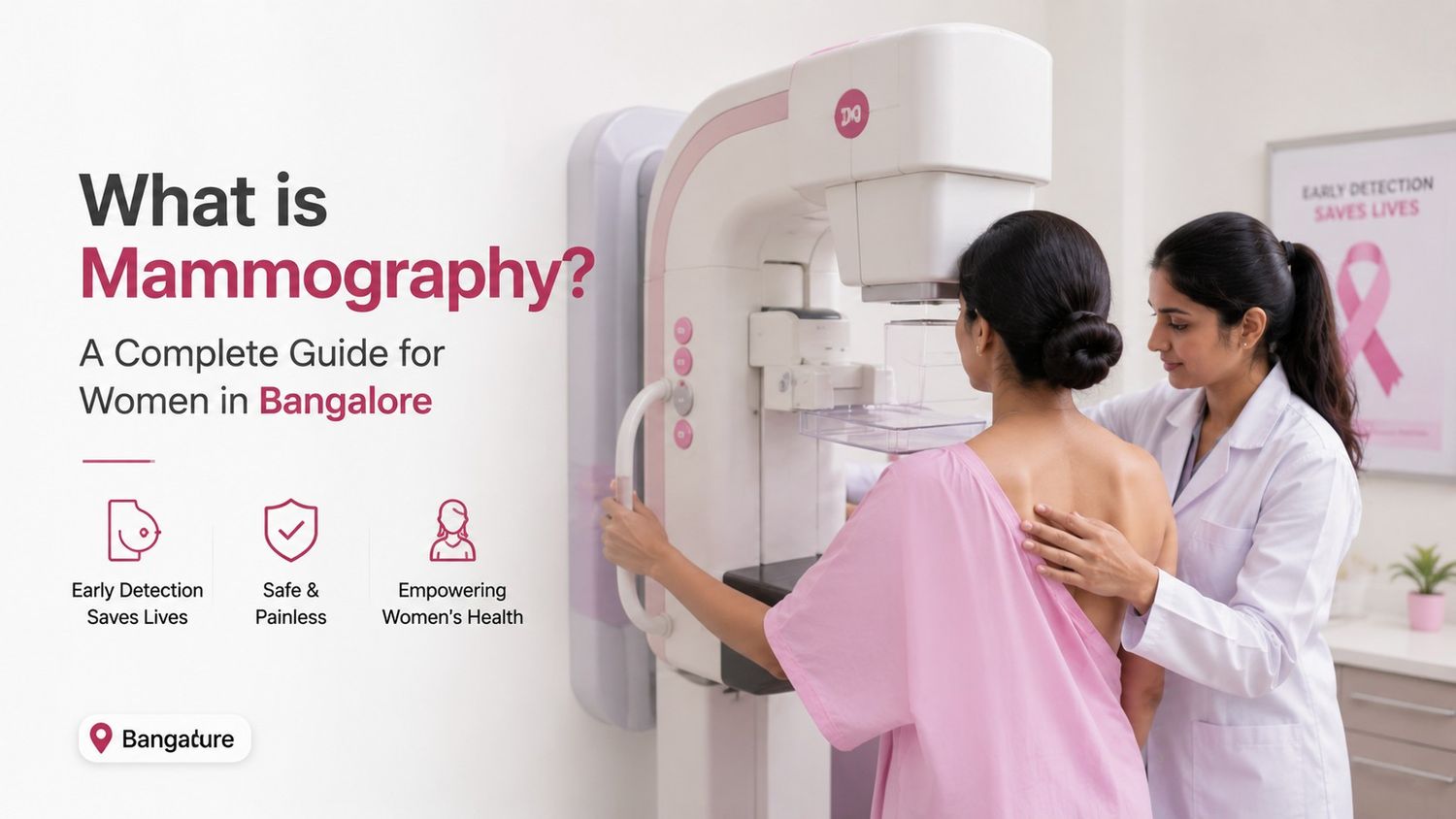
The specialized medical technique that uses low-dose X-rays to examine the breast tissue is known as Mammography. The changes that are not visible or felt during the physical examination are detected in a mammogram and this is the primary purpose of a mammogram. A mammogram can detect and identify the changes such as small lumps, calcifications, and other abnormalities before even the symptoms develop and seen. Early detection significantly increases the chances of successful treatment and recovery, making mammography an important screening tool for the detection breast cancer at an early stage.
Regular screening plays a very important role in the early detection and screening of the breast diseases and thus for the overall well-being of the breast health of the women it is one of the most effective and important diagnostic tool available today. Understanding mammography can help make informed decisions about preventive healthcare for the women in cities like Bangalore where the access to advanced healthcare facilities is readily available.
Presently worldwide, breast cancer is one of the most common cancers affecting women today. In India especially in the urban areas the cases of the breast cancer have been increased and in most of the cases women during the early stages of breast cancer, do not experience symptoms of the breast cancer and that is why routine screening becomes essential for the women and is very helpful.
Types of Mammography
Following are the main types of Mammography:
- Screening Mammography: It is performed on the women who do not have any noticeable breast symptoms.
- Diagnostic Mammography: When a woman experiences the symptoms such as breast lump, breast pain, nipple discharge etc. the diagnostic mammography is performed.
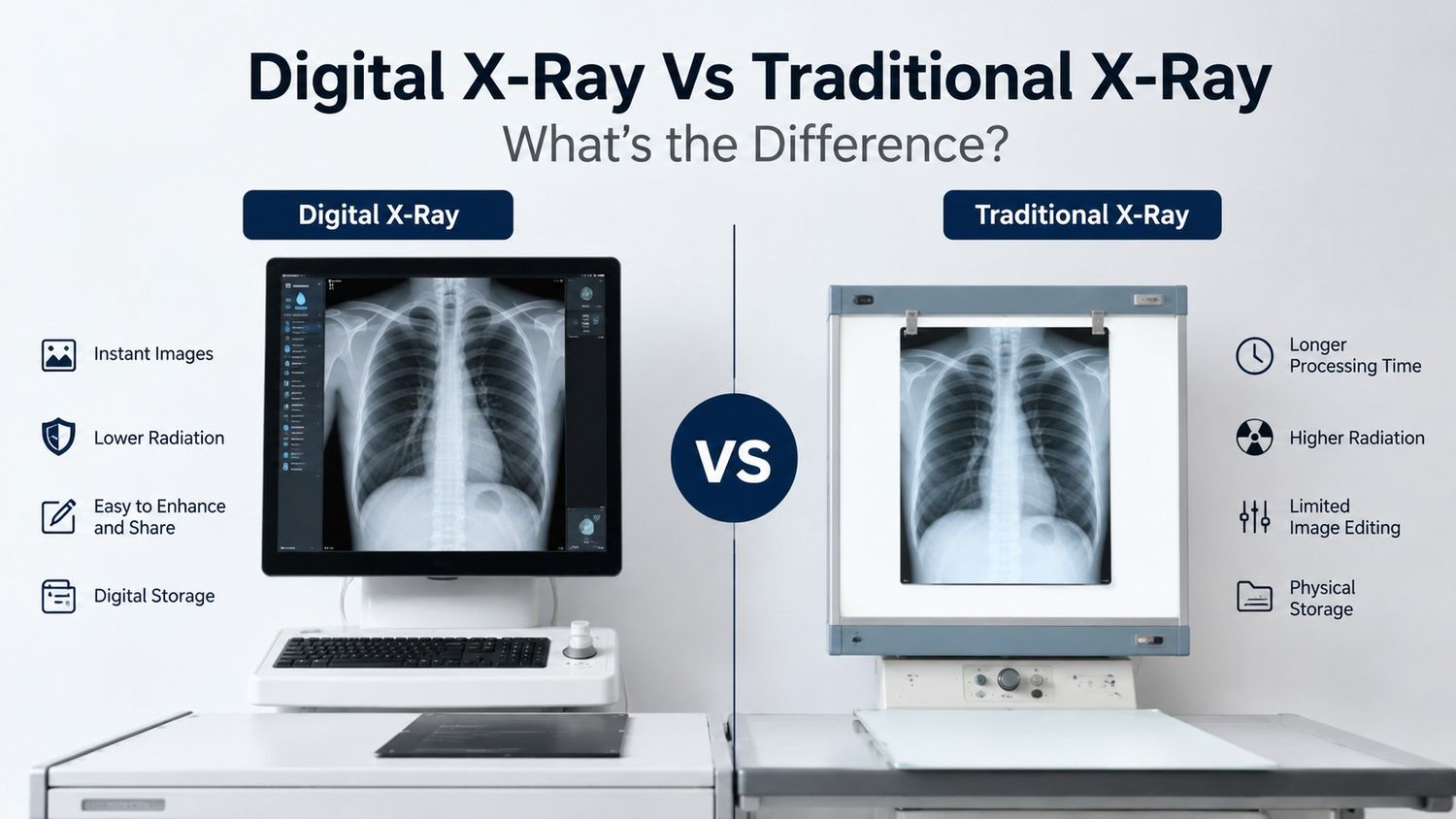
- Digital Mammography: The breast images are captured electronically instead of using the traditional films.
- 3D Mammography (Tomosynthesis): From the different angles the multiple breast images are captured and it combines them into a 3-D pictures.
Procedure of Mammography
- Medical gown is usually recommended during the entire process.
- On the flat imaging platform, the breast is placed.
- The breast is allowed to evenly spread on the compression plate so that the tissues can spread evenly for the mammogram.
- From the different angles the X-ray images are taken.
- Similar process is repeated with other breast as well.
- The entire procedure takes about 15-30 minutes to complete.
Is Mammography Safe?
- Mammography is considered the safe procedure and the amount of the radiations used is also very low and thus it is considered safe as per the medical safety standards.
- The benefits of early cancer detection greatly outweigh the minimal risks associated with radiation exposure.
- While producing highly detailed images the modern digital mammography systems use even lower radiation doses.
Mammogram is for:
Women who should undergo mammography are:
- Whose age is 40 years and above.
- Having the family history of breast cancer.
- Those who have the genetic mutations associated with breast cancer risk.
- Those who have the breast abnormalities earlier.
- Women experiencing breast-related symptoms
Uses of Mammography
Mammography helps in:
- Detection of the breast cancer at an early stage.
- Identification of the non- cancerous breast conditions.
- Monitoring the changes in the breast tissues over time.
- Through the early intervention the reduction in the breast cancer related mortality.
- Assisting doctors in planning appropriate treatment
Benefits of Mammography
Some major benefits of Mammography include:
- Breast cancer’s early detection.
- Increased success rates for the treatment.
- Less treatment requirements.
- Survival rates improved.
- Detection of abnormalities before symptoms appear.
- Better long-term breast health monitoring.
Limitations of Mammography
Mammography is not perfect but it is highly effective and some of its limitations are:
- Abnormalities are harder to detect because of the dense breast tissues.
- Due to false-positive results it may lead to additional testing issues.
- Occasionally the small cancers are missed.
- Sometimes additional imaging may be required necessary.
Conclusion
We can conclude from above that women over 40 or those with higher risk factors, can make a substantial difference in breast health and in the early detection and diagnosis of breast cancer Mammography plays a vital role. Regular screening helps in the early detection and helps to save many lives. In Bangalore women have the access to the advanced mammography services which makes the preventive healthcare more convenient than ever. The women can take the proactive steps towards maintaining their breast health and overall well-being. The breast screening packages are offered by the leading hospitals and diagnostic centres which includes clinical breast examinations, mammography, and specialist consultations.